

Several African countries now offer a formal route for remote workers. Fixed internet is also getting faster in places such as Ghana and Nigeria. This guide covers seven hubs to watch in 2026. Each entry covers the visa route, internet speed, monthly cost, timezone, coworking, and safety. All facts were checked in October 2026.
How These Hubs Were Chosen
The list starts with hubs that offer a legal work route, internet for video calls, and a US advisory of Level 2 or lower. Hubs that fall short on one point sit lower, and the last two need the most planning.
Four of the seven hubs have an official remote work visa or permit. The wider list is in countries with official digital nomad visa programs.
Costs are monthly estimates for one person and differ a lot by source, so each entry gives a range. US West Coast mornings fall in the afternoon or evening in these hubs, so client meetings across time zones need some planning. Cape Town and Zanzibar have their own guides and are left out here.
1. Nairobi, Kenya
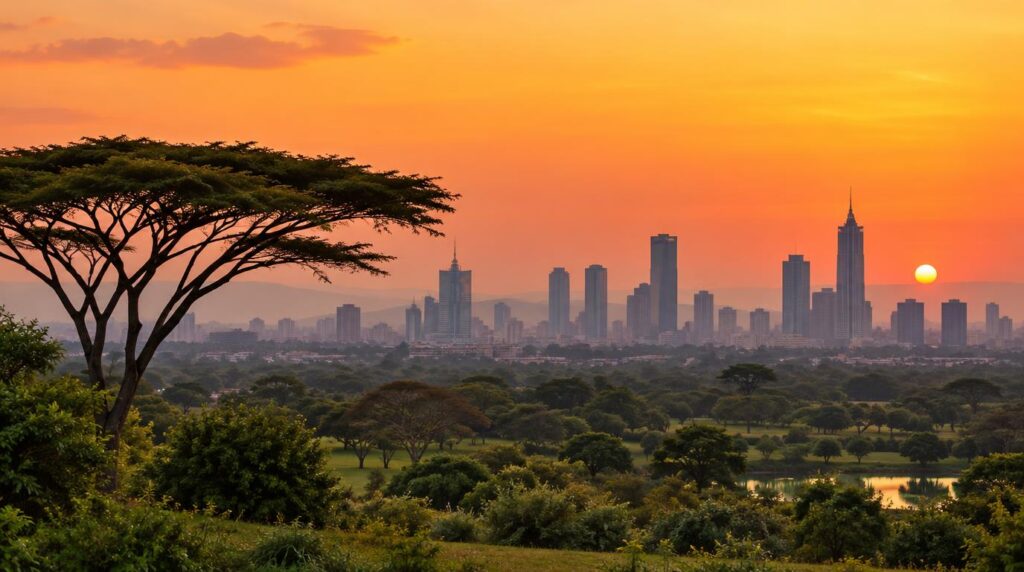
Nairobi pairs a formal remote work permit with a busy coworking scene in Westlands and Kilimani.
- Visa: The Class N permit lasts one to two years and can be renewed. Holders must work for employers or clients outside Kenya. Law firms list a $200 processing fee and $1,000 per year once approved.
- Internet: Kenya’s median mobile download speed was 45.37 Mbps at the end of 2025, according to Ookla.
- Cost: About $1,000 to $1,650 a month, depending on the source.
- Timezone: UTC+3. Nairobi is 8 hours ahead of New York and 3 hours ahead of London, or 7 and 2 hours during summer time.
- Community: Nairobi Garage has desks in Westlands and on Ngong Road, and Westlands has many cafes and other coworking spaces.
- Safety: The US rates Kenya Level 2, renewed in July 2026. Protests have turned violent, mostly in Nairobi and western Kenya.
Sources disagree on the income bar. Law firms cite $24,000 a year or $55,000, so confirm the figure on Kenya’s eFNS portal before paying. At about 1,800 meters, Nairobi stays mild all year, with temperatures between roughly 15 and 25°C. The heaviest rain usually falls from March to May. For time off, see these safari add-on trips for nomads based in East Africa.
Best for: remote workers with a foreign employer who want a formal permit and a strong coworking scene.
2. Mauritius
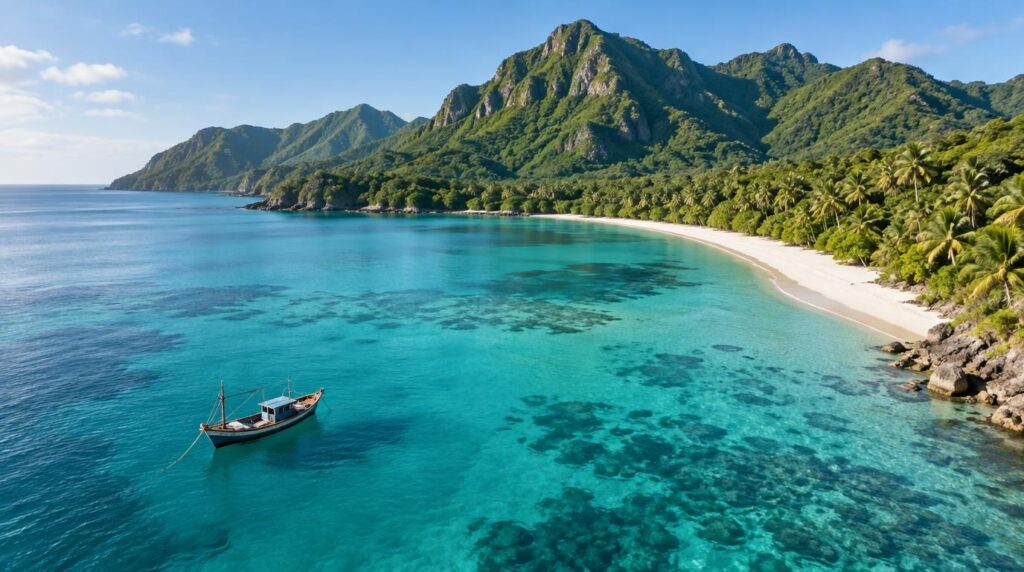
Mauritius offers a 12-month remote work visa and fixed internet above 50 Mbps.
- Visa: The Premium Visa lasts up to 12 months and can be renewed. Applicants must show an income of $1,500 a month, plus $500 for each dependent, and cannot work for local employers. Several guides list no application fee.
- Internet: Ookla measured a median fixed download speed of 57.08 Mbps at the end of 2025.
- Cost: About $1,580 in Port Louis to $1,930 in Grand Baie each month, according to Nomada.
- Timezone: UTC+4. Mauritius is 9 hours ahead of New York and 4 hours ahead of London, or 8 and 3 hours during summer time.
- Community: Grand Baie is the main nomad base. Coworking spaces cluster in Ebène Cybercity, with more in Grand Baie, Tamarin, and Moka.
- Safety: The US raised Mauritius to Level 2 in December 2025 because of crime. A curfew began on 13 October 2026 after a police shooting. The AP reported on 15 October that it was extended for two more nights.
Conditions were still changing in mid-October, so check current news before booking. Tax advisers say foreign income is taxed only when sent into Mauritius. Residency rules vary, so ask a professional. Cyclone season usually runs from January to March. Reuters reported that the main airport closed as a precaution during a storm in February 2025.
Best for: remote workers on a foreign payroll who want a 12-month visa and fast fixed internet.
3. Cape Verde
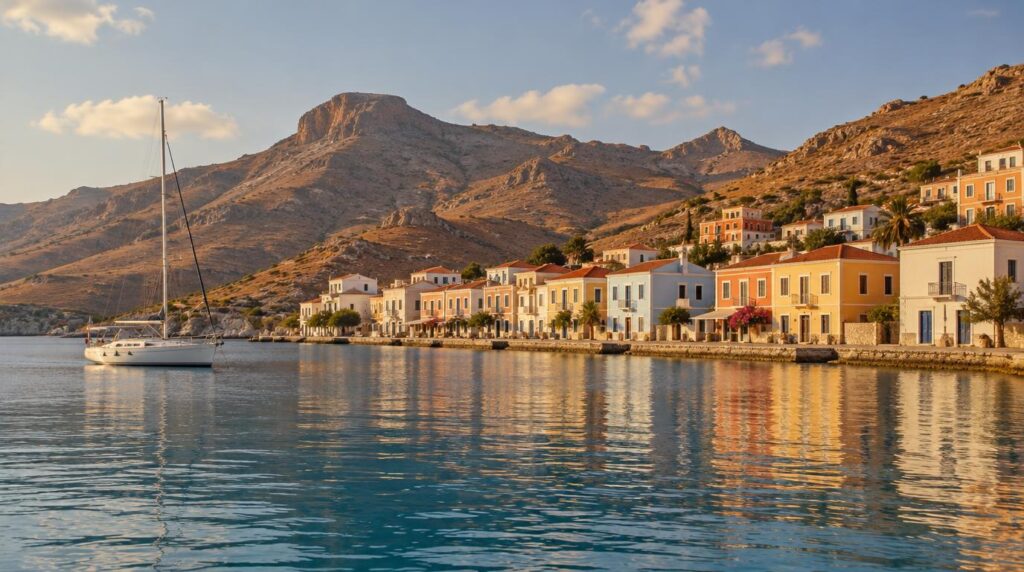
Cape Verde is an island country with a remote work visa and the only Level 1 US advisory on this list.
- Visa: The Remote Working Cabo Verde program gives six months, renewable. Foreign income is exempt from local income tax, and local work is not allowed. Guides report fees of about €20 plus airport fees.
- Internet: Guides report fiber in Santa Maria, Mindelo, and Praia. No recent Ookla figure for the country was available.
- Cost: A travel guide estimates €800 to €1,200 a month.
- Timezone: UTC-1. Cape Verde is 4 hours ahead of New York and 1 hour behind London, or 3 hours ahead and 2 hours behind in summer.
- Community: Guides name Go Hub in Santa Maria, Nomadico Coworking in Mindelo, and Prime Coworking in Praia.
- Safety: The US rates Cabo Verde Level 1, with Level 2 for Praia because of crime.
Sources give different income requirements, from a €1,500 monthly average balance to $21,000 a year. One visa tracker says the official pages do not state a clear figure. Test the connection before committing, and use an eSIM or local SIM as a backup. The brief rainy period usually falls between August and October.
Best for: remote workers who want sunshine, a Level 1 advisory, and a six-month stay with no local income tax.
4. Accra, Ghana
Accra has no dedicated nomad visa, but its fixed internet has improved quickly.
- Visa: Most visa trackers list no nomad visa, and tourist visas usually run 90 days with extensions. A few sites describe a remote work route, but no official source confirmed it. For the difference between the two, see digital nomad visa vs tourist visa.
- Internet: Ookla measured a median fixed download speed of 52.78 Mbps in the first half of 2026, up from 31.17 Mbps in 2023.
- Cost: About $1,100 to $2,000 a month, depending on the source.
- Timezone: UTC+0. Accra matches London in winter and is 5 hours ahead of New York. In summer it is 1 hour behind London and 4 hours ahead of New York.
- Community: Guides name Impact Hub Accra and iSpace, and Osu is a popular area for remote workers.
- Safety: The US rates Ghana Level 2 (July 2026), with Level 3 for the northern border regions. Street mugging and carjacking occur. The advisory notes that Ghanaian law prohibits same-sex relations and cites reports of attacks on LGBTQ+ people.
Cafe wifi can be uneven, so a coworking space is the safer choice for video calls. The dry season usually runs from November to March, and the main rains arrive between April and July.
Best for: remote workers on European hours who want an English-speaking base for a stay of a few months.

5. Windhoek, Namibia
Windhoek has an official nomad visa and some of the slowest internet in Ookla’s country rankings.
- Visa: The six-month visa cannot be renewed, and applicants can reapply 12 months after it expires. Income must be $2,000 a month, plus $1,000 for a spouse and $500 for each child. The fee is N$3,300.
- Documents: Applicants also need six months of bank statements, a medical certificate, a radiological report, a police clearance, and valid health and travel insurance. See health insurance plans for digital nomads for options.
- Internet: Ookla’s March 2026 median fixed download speed for Namibia was 17.01 Mbps.
- Cost: Nomads.com estimates $2,300 to $2,600 a month, with hot desks around $250.
- Timezone: UTC+2 all year. Windhoek is 7 hours ahead of New York and 2 hours ahead of London in winter, or 6 and 1 hours in summer.
- Community: Coworking is limited and mostly in the city center, and Nomads.com lists Regus as the best coworking space.
- Safety: The US rates Namibia Level 2 (May 2026). Crimes of opportunity are common, and violent crime such as home invasions is possible.
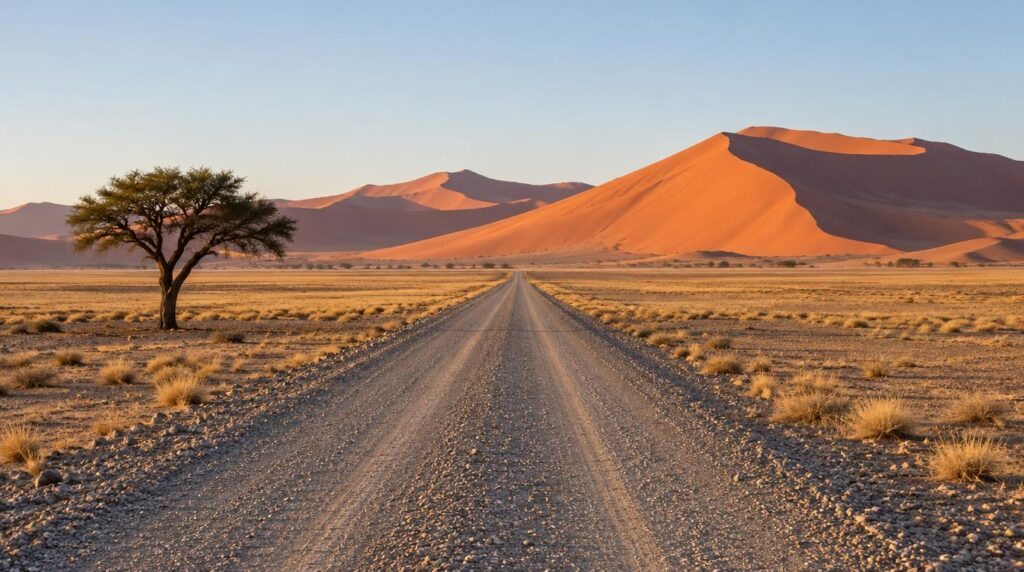
Slow internet makes a mobile backup plan useful for video calls. Health facilities are limited outside big cities, so insurance with evacuation cover is worth checking. The country is dry, with mild winters from about May to September and most rain between January and March.
Best for: remote workers who want wide open landscapes and can work with lighter bandwidth.
6. Kigali, Rwanda
Kigali is often described as one of the cleanest and safest cities in Africa, yet the US currently rates Rwanda at Level 3.
- Visa: Rwanda offers a 30-day visa on arrival to all nationalities, with the fee waived for African Union, Commonwealth, and Francophonie citizens. Visa trackers disagree on whether a nomad visa exists, and most list none, so longer stays need another permit.
- Internet: Ookla’s March 2026 median fixed download speed was about 43.5 Mbps.
- Cost: About $530 to $1,520 a month, depending on the source and the area.
- Timezone: UTC+2. Kigali is 7 hours ahead of New York and 2 hours ahead of London, or 6 and 1 hours during summer time.
- Community: Guides name Norrsken House Kigali, The Office, and Impact Hub Kigali.
- Safety: The US issued a Level 3 advisory in June 2026 and rates the area within 10 kilometers of the Congo border Level 4.
The Level 4 area is a border strip, far from Kigali. Read the full Level 3 advisory and check what your insurer covers. At about 1,500 meters, the city stays between roughly 15 and 27°C. Dry spells usually run from June to September and from December to February.
Best for: remote workers who want a compact, orderly city and accept a Level 3 advisory after reading it.

7. Lagos, Nigeria
Lagos has the largest group of tech startups in Nigeria and faster fixed internet each year, but it needs careful planning.
- Visa: Nigeria has no nomad visa. Visa on arrival ended on 1 May 2025, so most visitors apply for an e-visa online and receive a decision within 48 hours. ECOWAS citizens do not need a visa for stays up to 90 days.
- Internet: Nigeria’s median fixed download speed reached 34.47 Mbps in the first half of 2026, up from 13.50 Mbps in 2023, according to Ookla. Lagos measured 23.44 Mbps in late 2024.
- Cost: About $800 to $2,200 a month, depending on the source.
- Timezone: UTC+1. Lagos is 6 hours ahead of New York and 1 hour ahead of London. In summer, it is 5 hours ahead of New York and on London time.
- Community: CcHUB in Yaba is the best-known tech hub.
- Safety: The US rates Nigeria Level 3 (June 2026) because of crime, terrorism, unrest, and kidnapping. The advisory says crime is widespread in southern Nigeria.
In April 2026, the US allowed non-emergency embassy staff in Abuja to leave, and the Lagos consulate kept running visa services. Power cuts are common, so spaces with backup power matter. Visitors also complete a digital landing card online 72 hours before arrival. The dry season usually runs from November to March.
Best for: remote workers in tech who can plan security, insurance, and power backup in advance.
Which Hub Fits Which Remote Worker
Nairobi, Mauritius, and Cape Verde suit people who want a formal visa route. Accra and Lagos overlap well with European working hours. Windhoek and Kigali need more planning around internet speed and advisory levels. Advisory levels and visa rules change often, so check the official sources before booking. If one of these hubs fits your next stretch of work, search flights to Africa on FlyBibe and compare routes.