

Windhoek is a small, quiet capital where English is an official language. Its internet is slower than in many nomad hubs, so planning around connectivity matters. Below are rent, internet speeds, the six-month nomad visa, safety, and the months to visit. The guide also says who the city suits and who may prefer another base.
How Fast Is the Internet in Windhoek?
Internet speed is the main weakness for remote work in Windhoek. National data and local prices show what to expect.
- National speed: Ookla’s Speedtest data for March 2026 shows a median fixed broadband download speed of 17.01 Mbps for Namibia.
- Global ranking: Namibia placed 143rd out of 152 countries in the 2025 Speedtest Global Index, with a median of 13.72 Mbps.
- Home fibre prices: BitStream lists 50 Mbps fibre at N$1,050 per month and 100 Mbps at N$1,899, in an August 2026 filing with the regulator. Paratus advertises 50 Mbps from N$900 and 100 Mbps from N$1,500.
- Installation time: Paratus quotes two to four weeks, while BitStream lists six to eight weeks for fibre.
- Mobile network: MTC runs 4G in Windhoek and has started a 5G rollout in parts of the city.
- Starlink: Namibia’s regulator refused Starlink a licence in March 2026 and later rejected its request for a review.
Fibre can take up to two months to install, so a six-month stay may rely on a coworking space and mobile data in the first weeks. Starlink is not a usable backup for now.
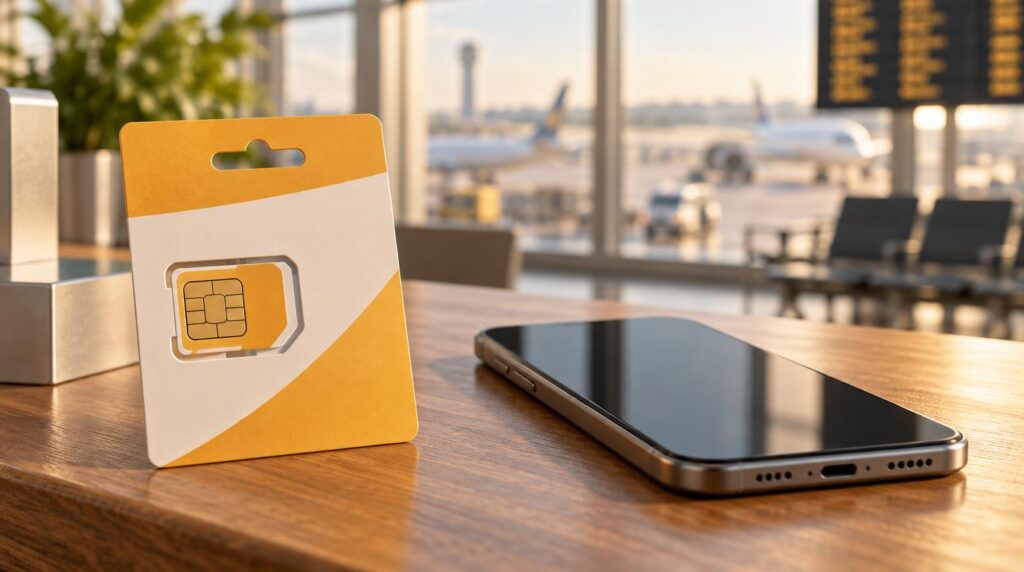
A local SIM looks like the safer choice. A nomad community guide says foreign eSIMs did not work reliably in Namibia as of April 2024. The same guide says MTC sells SIMs at the airport and registers them in person with a passport. The guide lists a 30-day bundle with 25 GB for about N$249. TN Mobile, the other main operator, can supply a second SIM as a backup.
A wider comparison of an eSIM against a local SIM is available for other countries. Asking a host for a recent speed test is a simple way to check wifi speed before booking a stay.
What Does Life in Windhoek Cost?
Windhoek costs more than many African capitals and less than the large South African cities. Numbeo’s 2026 data gives the city a cost-of-living index of 37.4, where New York City is 100. The city sits below Cape Town at 39.6 and above Nairobi at 32.0. Numbeo also places Windhoek above Accra.
The figures below come from Numbeo data reported in January 2024 unless stated otherwise. Rent may have changed since then.
- Rent: A one-bedroom flat costs about N$6,754 per month in the city centre and N$4,753 in the suburbs.
- Utilities: About N$1,329 per month for an 85 square metre flat.
- Eating out: A three-course meal for two at a mid-range restaurant costs about N$750.
- Home internet: N$900 to N$1,050 per month for 50 Mbps fibre, based on the 2026 prices above.
- Mobile data: About N$249 for a 30-day bundle with 25 GB, a 2024 figure from a nomad community guide.
At roughly N$18 to the US dollar, rent, utilities, and 50 Mbps fibre add up to about US$400 to US$510 per month before food. One expat cost guide puts a comfortable single-person budget at US$1,200 to US$2,200 per month. The visa income rule of US$2,000 per month sits near the top of that range.
Visa and Entry Rules
Namibia has a dedicated digital nomad visa run by the Namibia Investment Promotion and Development Board (NIPDB). The details below come from the NIPDB page, checked on October 5, 2026.
- Stay: Six months. The visa cannot be renewed, and applicants can reapply 12 months after it expires.
- Income: At least US$2,000 per month for the main applicant, plus US$1,000 for a spouse and US$500 for each child.
- Fee: N$3,300, paid after approval and before arrival. A local representative can pay on the applicant’s behalf.
- Documents: A medical certificate, a radiological report, police clearance translated into English, six months of bank statements, an employer letter, and a motivation letter from NIPDB.
- Insurance: Valid health and travel insurance is required.
- Work rule: Remote work for employers or clients outside Namibia only. Local jobs are not allowed.
Some third-party sites list a different fee or a different wait before reapplying. The NIPDB page is the source used here, and rechecking it before applying is worthwhile.
Proof of insurance is part of the application, and a list of health insurance plans for digital nomads can help narrow the choice.
Since April 1, 2025, citizens of more than 30 countries, including the US, UK, Canada, Australia, and several EU states, need a visa to enter. The tourist visa costs N$1,600 for non-African passports and can be requested online or on arrival. Sources differ on the stay length, with one listing 30 days by default and others listing up to 90 days. Remote workers who are unsure whether they need a digital nomad visa or a tourist visa can compare both before booking flights.
Timezone Fit
Namibia uses Central Africa Time (UTC+2) all year. The country abolished daylight saving time in 2017, so the offset changes only when the other city moves its clocks.
- US East Coast: 7 hours ahead of New York in winter and 6 hours ahead in summer.
- US West Coast: 10 hours ahead of Los Angeles in winter and 9 hours ahead in summer.
- United Kingdom: 2 hours ahead in UK winter and 1 hour ahead in UK summer.
- Central Europe: The same time as Paris and Berlin in summer, and 1 hour ahead in winter.
European overlap is close to complete. A 3 pm call in Windhoek is 8 am in New York in winter, so US East Coast clients fit into the afternoon. A 9 am meeting in Los Angeles lands at 7 pm in Windhoek in winter, which makes West Coast hours harder. Guidance on how to manage client meetings across time zones can help with building a schedule.
Coworking and Community
Windhoek has a small coworking scene, and most spaces sit in or near the city centre.
- DoBox: A shared space in the city centre with a direct fibre connection. Memberships include free wifi, coffee, and boardroom use, and the space hosts a monthly peer learning event for entrepreneurs.
- CcHUB Namibia: About a five-minute walk from the central business district. Dedicated desks are on the ground floor and flexible shared space is upstairs.
- Regus at Maerua Mall: Third floor of the mall, with day coworking and plans for 5, 10, or unlimited days per month.
- Spaces: One location in the central business district, with hot desks and day passes.
Public prices for DoBox and CcHUB were not listed in the sources found, so current quotes need to come from each space directly. Regus and Spaces both sell multi-day access plans, and a guide to coworking memberships for frequent travelers shows how those plans compare.
No large nomad community like Chiang Mai’s turned up in the research. A local forum user points to InterNations, which has a Windhoek chapter, as a way to meet expats.
Neighborhoods for Remote Workers
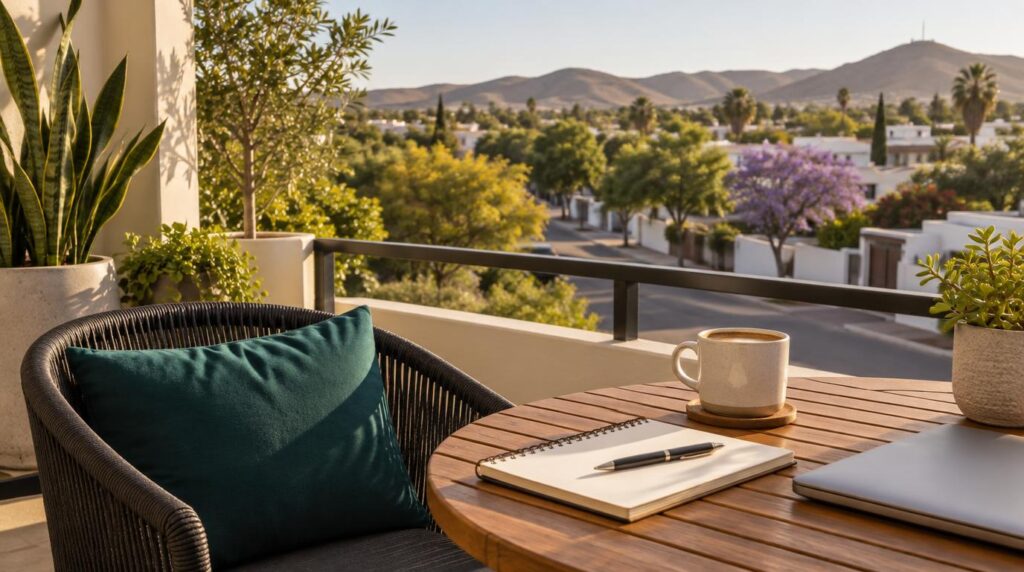
Expat guides often name Klein Windhoek, Eros, and Olympia as practical areas. The rent ranges below come from one expat guide with data verified in June 2026.
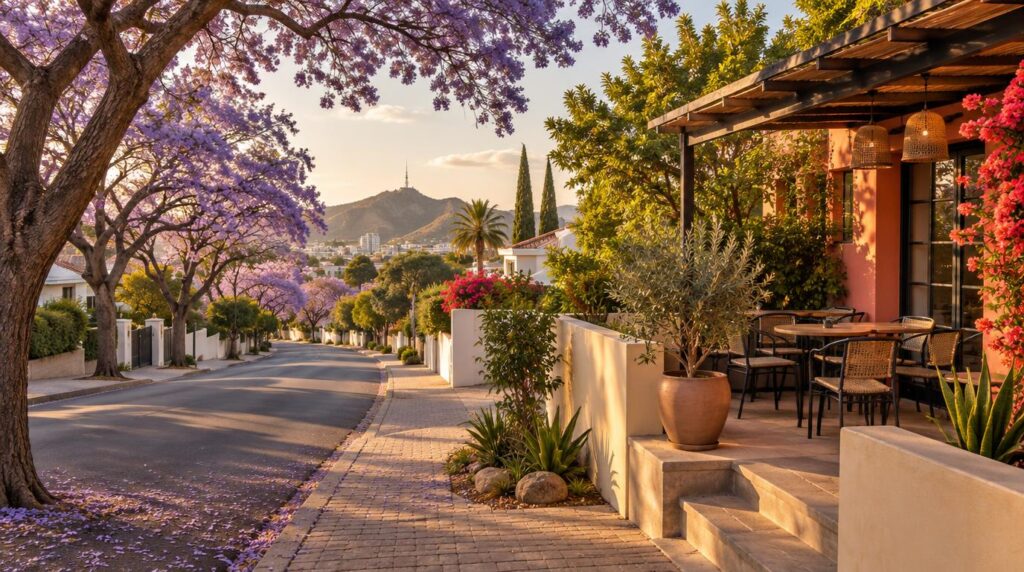
- Klein Windhoek: Tree-lined streets, cafes, and a short walk to the city centre. One-bedroom rent runs about US$500 to US$800.
- Eros and Eros Park: Central and mid-range, with rent of about N$5,000 to N$10,000 per month.
- Olympia: Budget-friendly and close to Maerua Mall, with rent of about N$4,000 to N$8,000.
- Ludwigsdorf: An upscale suburb with large homes. Rent runs N$12,000 to N$25,000, and a car is needed.
Klein Windhoek suits people who want to walk to cafes, and Olympia suits tighter budgets.
Is Windhoek Safe for Remote Workers?
Windhoek has real crime risks, and several governments say so.
- United States: The State Department lists Namibia at Level 2, which means exercise increased caution. Its December 2024 advisory says violent crime such as home invasions, robberies, and assault is becoming more common, especially in Windhoek.
- Canada and Germany: Canada’s advisory, reported in January 2026, says violent crime occurs particularly in Windhoek and warns about card copying and ATM distraction. Germany’s warning, reported the same month, says incidents peak on Sundays and public holidays.
- United Kingdom: Muggers often target tourists in Windhoek, and attacks can happen in busy central areas at any time of day. The advice is to avoid hailing taxis from the street.
- Laptops: In August 2025, the travel industry reported robberies of laptops, phones, and cameras in Windhoek and nearby areas.
Pickpocketing, bag snatching, and theft from vehicles are the most common crimes, according to World Nomads. Local advice favors booking rides through an app or a trusted taxi company. Yango is one app that residents mention. The Tourist Protection Unit can be reached on 10111, and 112 is the emergency number.
Policies differ on laptop cover, so a comparison of travel insurance for digital nomads can show which ones include gear.
Best Time to Go
Windhoek has a dry climate with cool nights, and the main choice is between dry months and rainy months.
- September to November: Dry and warm. September has highs near 29°C and lows near 13°C, with rain on about 2% of days. Jacaranda trees bloom, and Oktoberfest runs in late October. The daily rain chance rises to about 8% in November. September to November is also the busiest tourist period.
- April and May: The rains fade and temperatures cool. Windhoek Karneval fills the city centre in late April.
- June to August: Dry and cool, with cool nights and almost no rain.
- December to March: The rainy season, with afternoon storms on 25% to 33% of days and highs of 30°C to 32°C. The landscape turns green.
Windhoek sometimes puts water restrictions in place during droughts, so water rules are worth checking with a landlord.
Getting to Windhoek
Hosea Kutako International Airport sits about 40 to 45 km from the city. Direct flights connect Windhoek with Johannesburg, Cape Town, Addis Ababa, Frankfurt, and Luanda. No direct flights run from the UK or North America, so most trips take one stop through Johannesburg, Addis Ababa, or Frankfurt.
Who Windhoek Suits and Who Should Skip It
Windhoek works for remote workers who value quiet days and a calm pace, especially those on European hours who plan a single stay of up to six months. The city also serves as a base for trips into the desert and wildlife areas.
- A good fit: Workers on European or US East Coast hours with a US$2,000 monthly income and calls that run well on a coworking connection.
- A weaker fit for speed: Workers who need fast mobile data or fibre from the first day, or who do heavy video work.
- A weaker fit for community: Workers who want a large nomad scene, since Cape Town has a bigger one.
- A weaker fit for budgets: Travelers watching costs, since Windhoek costs more than Nairobi and Accra.
- A weaker fit for safety: Workers who put safety first can compare the safest digital nomad cities for solo remote workers.
Plan Your Trip to Windhoek
Windhoek rewards remote workers who value quiet days, clear skies, and weekend trips into the desert. The city works best with a solid internet plan and careful habits around laptops and rides. The six-month visa suits one extended stay, not a permanent base. If a stay like that fits your plans, search flights to Windhoek on FlyBibe and compare routes through Johannesburg, Addis Ababa, or Frankfurt.