

A tourist visa and a digital nomad visa solve two different problems, and picking the wrong one can cut a trip short or trigger a fine. This guide compares the two across the factors that actually decide which one fits: legal work rights, length of stay, income requirements, cost, tax exposure, and enforcement risk. By the end, you will know which option matches your plans.
Legal right to work
- Digital nomad visa: Explicitly authorizes remote work for employers or clients based outside the host country. Most programs bar you from taking local clients or local employment, but foreign-sourced income is the whole point.
- Tourist visa: Built for leisure travel. It does not grant permission to work, and in most countries that includes remote work paid by a foreign company, even if no local business or worker is involved.
The gap here is not about how much you work. It is about whether your presence in the country is legally tied to that work at all. A tourist visa was never designed to answer that question, which is why the next few factors matter. Even a single client call or a couple of hours of freelance work from a cafe can technically fall on the wrong side of that line, regardless of how relaxed the border felt on arrival.

Length of stay
- Digital nomad visa: Runs from about 6 months to several years depending on the program, and most allow renewal. Thailand’s Destination Thailand Visa is issued for up to 5 years at a time.
- Tourist visa: Usually capped at 30 to 90 days per entry. Inside the Schengen area, the limit is 90 days within any rolling 180-day window, counted across all member countries combined, not per country.
If your plan is to settle somewhere for a season or longer, a tourist visa’s clock runs out fast. A digital nomad visa is built for exactly the stay length most remote workers actually want.
Income and eligibility requirements
- Digital nomad visa: Most programs ask for proof of steady remote income, commonly $2,000 to $5,500 a month. Indonesia’s B211A sits near $2,000, Spain requires roughly $3,200, and Estonia asks for about $5,200. Health insurance and a clean background check are standard add-ons.
- Tourist visa: No work-income threshold. Some destinations ask for proof of onward travel or enough funds to cover the trip, but nothing tied to remote earnings.
The income bar is usually the deciding practical filter, more than the paperwork or the fee. A remote worker who clears their target country’s threshold gets a legal, straightforward route. One who does not will likely need to look at a lower-threshold program elsewhere, since falling short of the income line does not make a tourist visa a legal substitute, it just means the digital nomad route needs a different destination.
Cost and paperwork
- Digital nomad visa: Government fees alone typically range from about $30 to $350, though total cost with document prep and any legal help often lands between $200 and $2,000. Expect to submit income proof, an employment or client letter, insurance documentation, and sometimes a background check.
- Tourist visa: Often free for visa-exempt nationalities, or roughly $25 to $160 for an e-visa or visa-on-arrival, generally just a passport and a form.
The paperwork gap reflects the purpose gap. A tourist visa checks that you are a visitor. A digital nomad visa checks that you can legally sustain yourself while working, which naturally asks for more. Budget extra processing time too, tourist visas or visa-free entry often clear in minutes at the border, while nomad-visa approvals commonly take two weeks to two months depending on the program.
Tax exposure
- Digital nomad visa: Some programs, including Croatia’s and Georgia’s, exempt nomad-visa income from local tax entirely. Others start counting your days toward local tax residency the same way any long stay would, typically once you cross 183 days present in a tax year.
- Tourist visa: Working isn’t authorized, so there’s no formal local filing tied to the visa itself, but the same 183-day physical-presence test most countries use can still apply if you stay long enough. Tourist status does not exempt you from it.
This is general information, not tax advice. Rules vary by country and by your citizenship, especially for US citizens who owe US tax on worldwide income regardless of where they live. Confirm your specific situation with a qualified tax professional before committing to a stay length.
Enforcement risk
- Digital nomad visa: Removes the gray area. Your income is verified up front, so immigration has no basis to treat ordinary remote work as a violation.
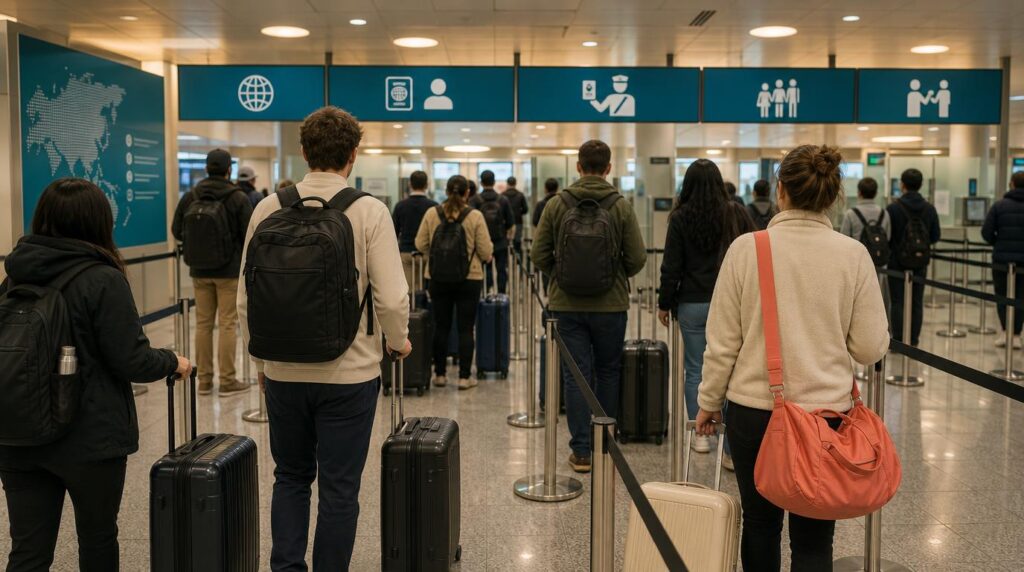
- Tourist visa: Working while visiting is increasingly monitored rather than quietly overlooked. Indonesia’s Dharma Dewata task force in Bali, launched in April 2026, detained 62 foreign nationals within its first three weeks for activities including remote work carried out on tourist visas, with penalties ranging from fines to multi-year re-entry bans.
Enforcement varies sharply by country and changes fast, so a destination that felt relaxed a year ago is not a guarantee it still is today.
Verdict by traveler type
- Short trip, work mostly paused: A tourist visa fits. You are traveling, not building a remote-work base, and the paperwork stays simple.
- Settling in one place for six months or more, working for foreign clients: A digital nomad visa is the legal route once a stay outlasts tourist-visa limits, and it removes the enforcement risk that comes with working past that point.
- Fast-moving nomad crossing borders every few weeks: Neither option is a perfect fit. A nomad visa’s minimum-stay requirements can outweigh the benefit for very short stints, but working on a tourist visa still carries legal risk regardless of how short each stop is. Check enforcement patterns for each destination before assuming a quick pace keeps you under the radar.

Confirm before you book
Immigration and tax rules shift often, and enforcement priorities can change within months. This article reflects information verified as of September 4, 2026. Confirm current requirements with the relevant embassy, consulate, or a qualified immigration professional before finalizing any travel plans.
Once you know which visa fits your trip, the next step is booking it. Search flights on FlyBibe to line up your travel dates around your visa’s validity window, whether that’s a quick 90-day stay or a longer stretch on a digital nomad permit.