
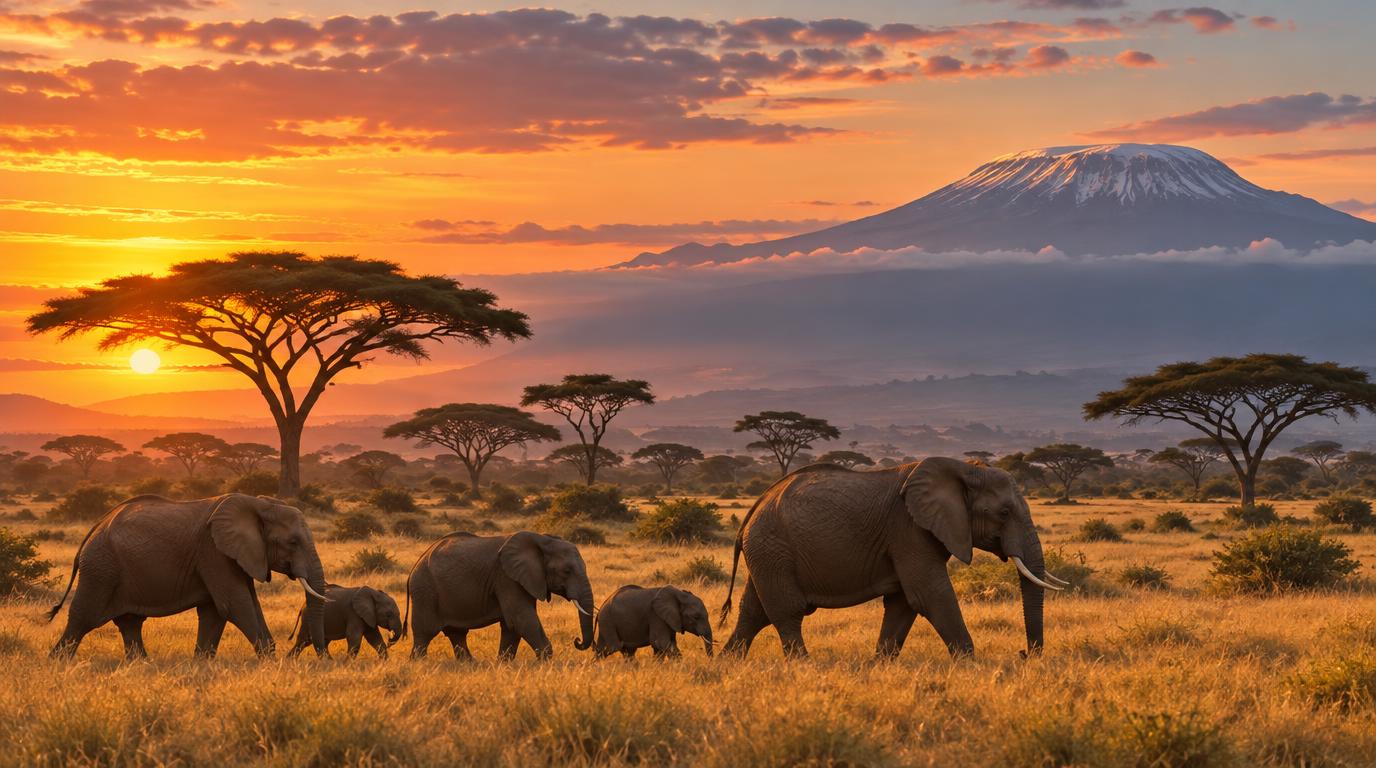
A safari fits into a remote work routine when the park is only a few hours from the city where you already live. The eight add-on trips below suit nomads based in Nairobi, Arusha, Zanzibar, or Kigali. Each entry gives the travel time, the park fee, and what to expect from mobile data and wifi. Fees were checked in October 2026 and can change, so confirming the price before paying is wise.
How These Trips Were Chosen
The trips run from the shortest to the longest, starting in Kenya, then Tanzania, Rwanda, and Uganda. Each trip was judged on travel time from a nomad base, the park fee, connectivity near the lodge, and the number of workdays it uses.
Most safari days are built around a morning game drive and an afternoon drive. The hours in the middle of the day are usually free for laptop work at camp. Readers who prefer a guided trip can look up remote-friendly tours near Nairobi on FlyBibe.
The 8 Best Safari Add-On Trips
1. Nairobi National Park, Kenya
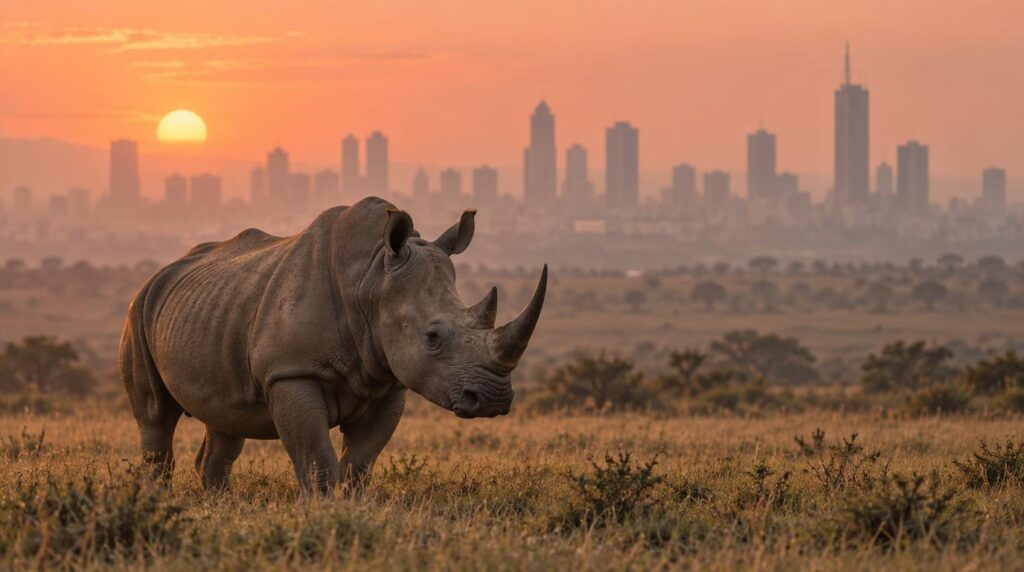
Nairobi National Park is about 15 minutes from the city, so a game drive fits into half a day.
- Travel time: About 15 minutes from the city and 30 minutes from the airport.
- Park fee: $80 per non-resident adult for 24 hours, or KES 1,350 for Kenya residents. These are Kenya Wildlife Service (KWS) fees from 1 October 2025.
- Wildlife: Lions, rhinos, zebra, and hartebeest live in the park. Elephants do not.
- Payment: KWS gates are cashless, so the fee is paid online before arrival.
Kenya’s fee rules define a resident as a non-citizen who lives in Kenya with a valid residence permit. The Class N digital nomad permit is a work permit, so holders may qualify for the lower rate. Asking KWS to confirm first is wise.
Best for: Nairobi-based nomads who want a first safari without taking a day off.
2. Hell’s Gate, Lake Naivasha, and Lake Nakuru, Kenya
The three stops sit northwest of Nairobi in the Rift Valley and work well as a one-night loop. Operators usually visit Lake Nakuru on day one, then Hell’s Gate and Lake Naivasha on day two.
- Travel time: About 90 km from Nairobi to Naivasha. The drive from Lake Nakuru back to Nairobi takes about 3 hours.
- Park fees: $50 for Hell’s Gate and $90 for Lake Nakuru, per non-resident adult per day.
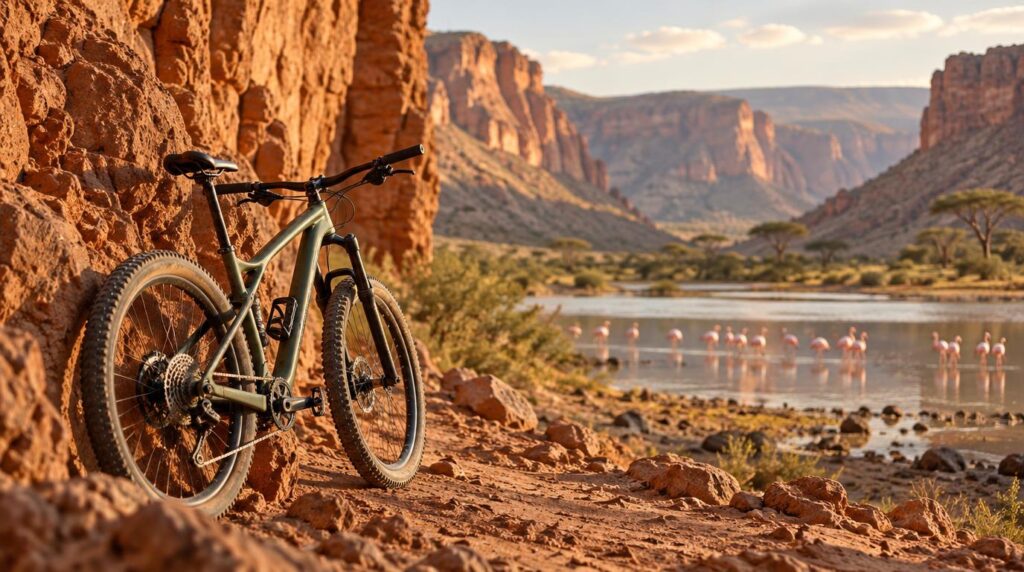
- Activities: Biking or walking in Hell’s Gate, a Lake Naivasha boat ride for about $25, and a Nakuru game drive for flamingos and rhinos.
- Package prices: Two-day trips from Nairobi were listed at about $424 to $684 per person.
- Connectivity: Mobile coverage around Lake Naivasha is usually workable near lodges, gates, and main roads, with weak signal once you move into the bush.
Hell’s Gate is one of the few parks where visitors can walk or cycle among wildlife, and more than 100 bird species live there. A single night covers all three stops without a long drive on either day.
Best for: Nomads who want a bike ride and birdlife on a short trip.
3. Amboseli National Park, Kenya
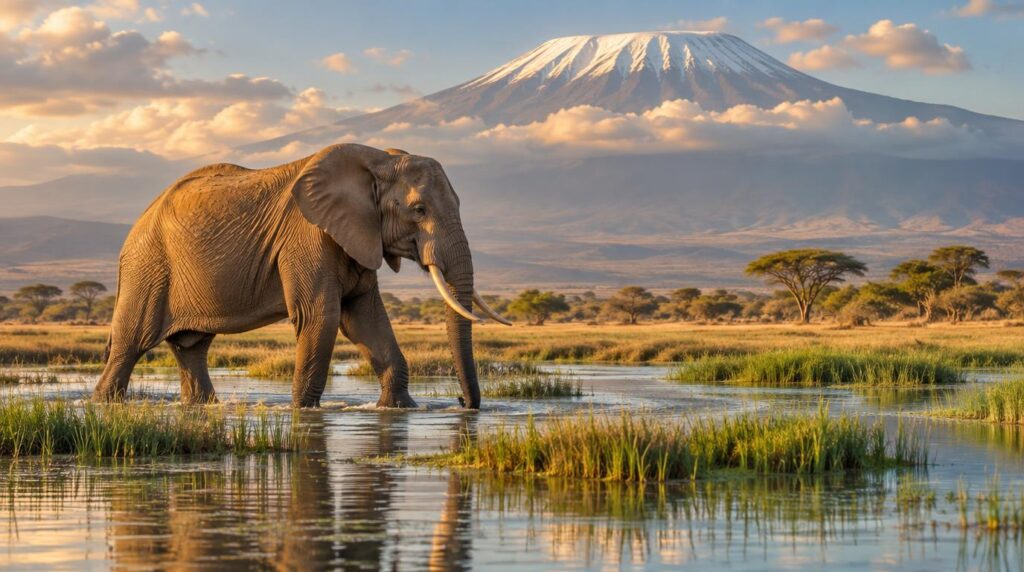
Amboseli is known for large elephant herds and views of Mount Kilimanjaro. The park works well as a two-night trip from Nairobi.
- Travel time: About 216 km and 4 to 4.5 hours by road, according to one operator itinerary.
- Park fee: $90 per non-resident adult per day, or KES 2,025 for Kenya residents.
- Where to stay: Many two-night itineraries use camps just outside the park gate.
- Connectivity: Safaricom signal is workable near lodges and gates and patchy across the open plains.
A two-night stay gives one full day of game drives and two partial days. The drive back takes about as long as the drive out, so the travel days leave little room for work.
Best for: Nomads who want Kilimanjaro views and elephant sightings and can set aside three days.
4. Ol Pejeta Conservancy, Laikipia, Kenya
Ol Pejeta sits near Nanyuki and is home to the last two northern white rhinos. The conservancy also runs a chimpanzee sanctuary.
- Travel time: About 220 km and 4 hours by road. A 35-minute flight from Wilson Airport to Nanyuki, plus a 45-minute drive, is the faster option.
- Entry fee: Guides quote $82 to $110 per non-resident adult per day. The 2026 tariff on the conservancy’s website is the safer source.
- Booking rules: Gates are cashless, lodge rates exclude conservancy fees, and guided drives are required.
- Resident rate: The tariff lists an East African resident rate for visitors who can show a work permit. Asking whether a Class N permit qualifies is wise.
One destination guide suggests at least three days here. Ol Pejeta suits a workation week better than a weekend.
Best for: Nomads who want rhino and chimpanzee conservation experiences and can plan a longer stay.
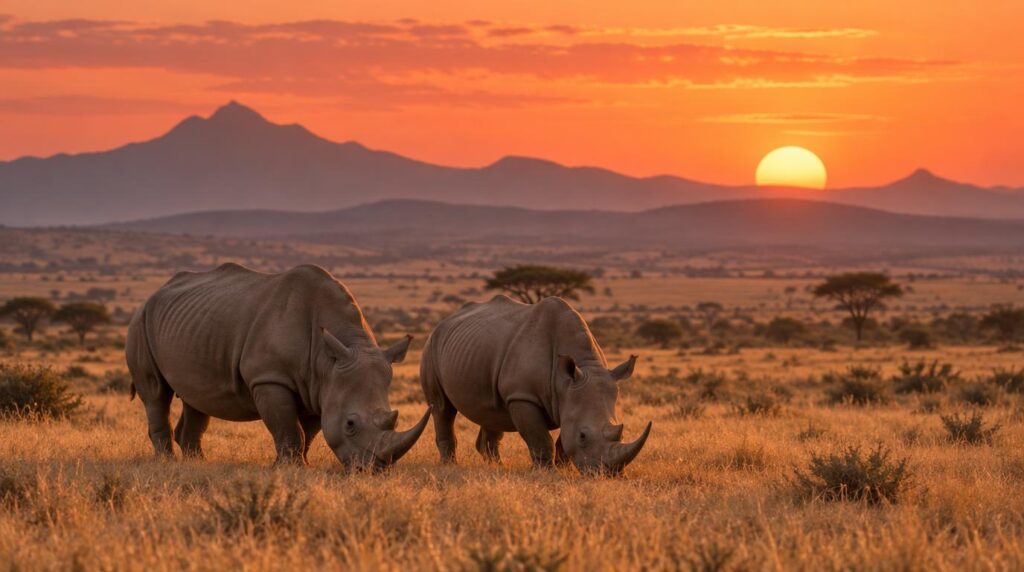
5. Maasai Mara National Reserve, Kenya
The Mara is one of Kenya’s most visited safari destinations and one of the costliest trips on this list.
- Travel time: About 270 km and 5 to 7 hours by road, or a flight of roughly 40 minutes from Nairobi.
- Reserve fee: In 2026, Narok County charged $100 per non-resident adult per day from January to June and $200 from July to December. The county has changed these fees with little notice, so rechecking before booking is wise.
- Daily cost: Budget safaris run about $250 to $350 per person per day and mid-range trips $350 to $600, before the reserve fee.
- Connectivity: Many Mara camps now run Starlink or satellite wifi. One 2026 guide reports 50 to 100 Mbps in the main lounge at camps that use Starlink.
Camps just outside the Sekenani and Talek gates cost less than camps inside the reserve, and gate fees add up per day either way. The July to December rate matches the months when wildlife viewing is at its peak, especially during the Great Migration.
Best for: Nomads who want the classic big-cat safari and have room in the budget.

6. Tarangire National Park, Tanzania
Tarangire is known for large elephant herds and baobab trees. The park is one of the closest major parks to Arusha.
- Travel time: About 120 to 150 km from Arusha, which usually takes 2 to 3 hours.
- Park fee: $45 per adult per day before VAT in Tarangire, Lake Manyara, and Arusha National Park. Listings that include tax show about $53.
- Best months: June to October, the dry season, when animals gather along the Tarangire River.
- Add-ons: Ngorongoro Crater adds a $295 per vehicle descent fee. Serengeti camps add concession fees of about $71 per adult per night.
Operators quote prices both with and without VAT, so it helps to ask which one applies. Nomads based in Zanzibar can reach the area through Kilimanjaro Airport, which is about 46 km from Arusha.
Best for: Nomads in Arusha or Zanzibar who want elephant herds in a park that is often described as quiet.
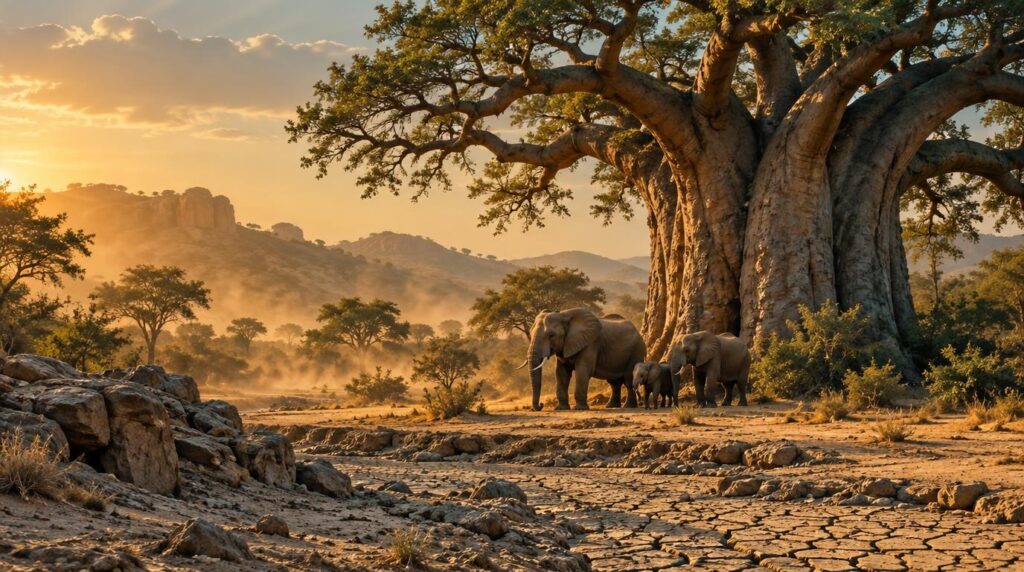
7. Akagera National Park, Rwanda
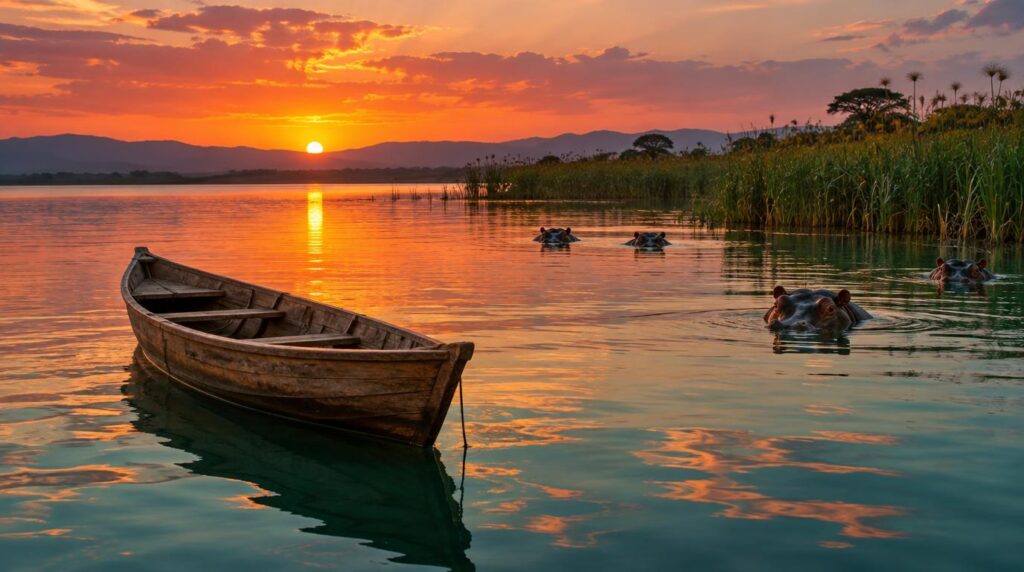
Akagera is Rwanda’s only savanna park. Lions, elephants, rhinos, hippos, and giraffes all live there.
- Travel time: About 150 km from Kigali, which takes roughly 2 hours 20 minutes to 2.5 hours by road.
- Park fee: For 2026 to 2027, international visitors pay $100 for one night, $150 for two nights, and $200 for three nights. Foreign residents pay half.
- Self-drive: The entry fee covers self-drive game viewing, and vehicle fees are charged separately.
- Activities: Game drives, night drives, and boat trips on Lake Ihema.
A day trip from Kigali needs a start around 5 am to reach the park by 7:30 am. One night inside or near the park usually suits a working week better.
Best for: Kigali-based nomads who want a savanna park close to home.
8. Bwindi Gorilla Trek From Kigali, Uganda
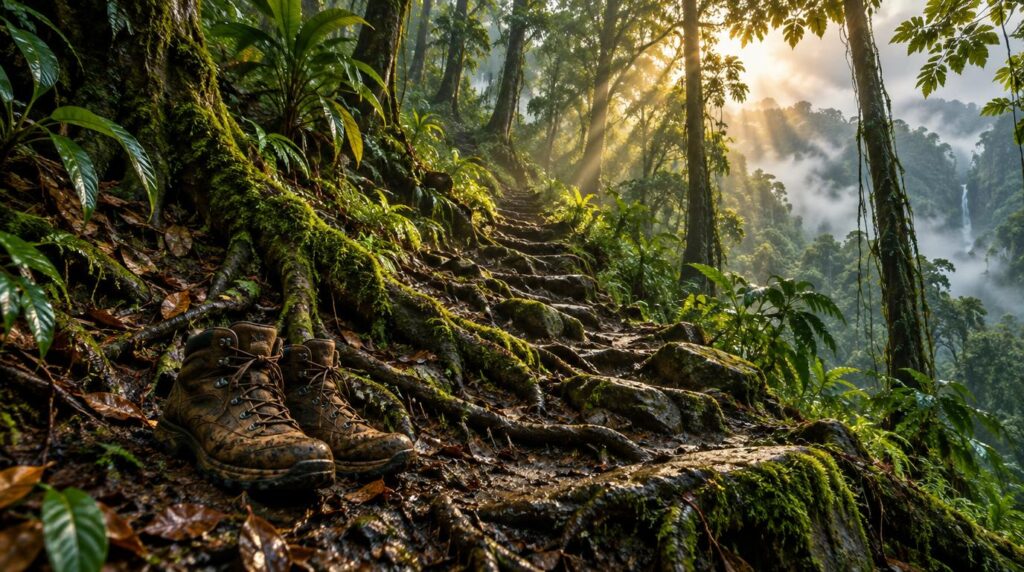
A gorilla permit in Bwindi Impenetrable National Park gives one hour with a habituated gorilla family. Kigali is a practical base because Rwanda sits close to southwest Uganda.
- Travel time: About 4 to 5 hours by road from Kigali through the Cyanika or Katuna border post. From Entebbe the drive takes about 10 hours.
- Permit: $800 per foreign non-resident under the current Uganda Wildlife Authority tariff, or $600 in April, May, and November. Rwanda’s gorilla permit costs $1,500. One operator lists $1,000 from 1 July 2026, so the price is worth confirming at booking.
- Booking: Foreign visitors buy permits through a licensed Ugandan tour operator, and permits depend on availability.
- Timezone: Uganda is one hour ahead of Rwanda.
A one-day trek from Kigali would mean leaving around 3:30 am, and the trek itself can last more than 5 hours. A two-day trip with a night near the park leaves time to rest before the hike.
Best for: Kigali-based nomads who are comfortable hiking in dense, hilly forest and can budget for one major experience.
What to Check Before You Book
- Fee category: A written quote should list park fees on a separate line and name the visitor category.
- Wifi: Camp wifi varies widely, so a recent speed test from the camp is worth requesting. A guide on how to check wifi speed before booking a stay covers the tools.
- Mobile data: Safaricom has the widest rural coverage in Kenya, and a local SIM or eSIM can cover the drives between camps.
- Offline maps: Signal can drop deep inside a park, so downloaded maps are useful on game drives.
Plan Your Next Safari Break
Nairobi National Park fits into half a day, while Amboseli, Ol Pejeta, and the Mara reward a longer stay. Tarangire, Akagera, and Bwindi suit nomads based in Tanzania or Rwanda. When one of these trips fits your next free week, find tours and stays across East Africa on FlyBibe and choose the one that matches your work schedule.