
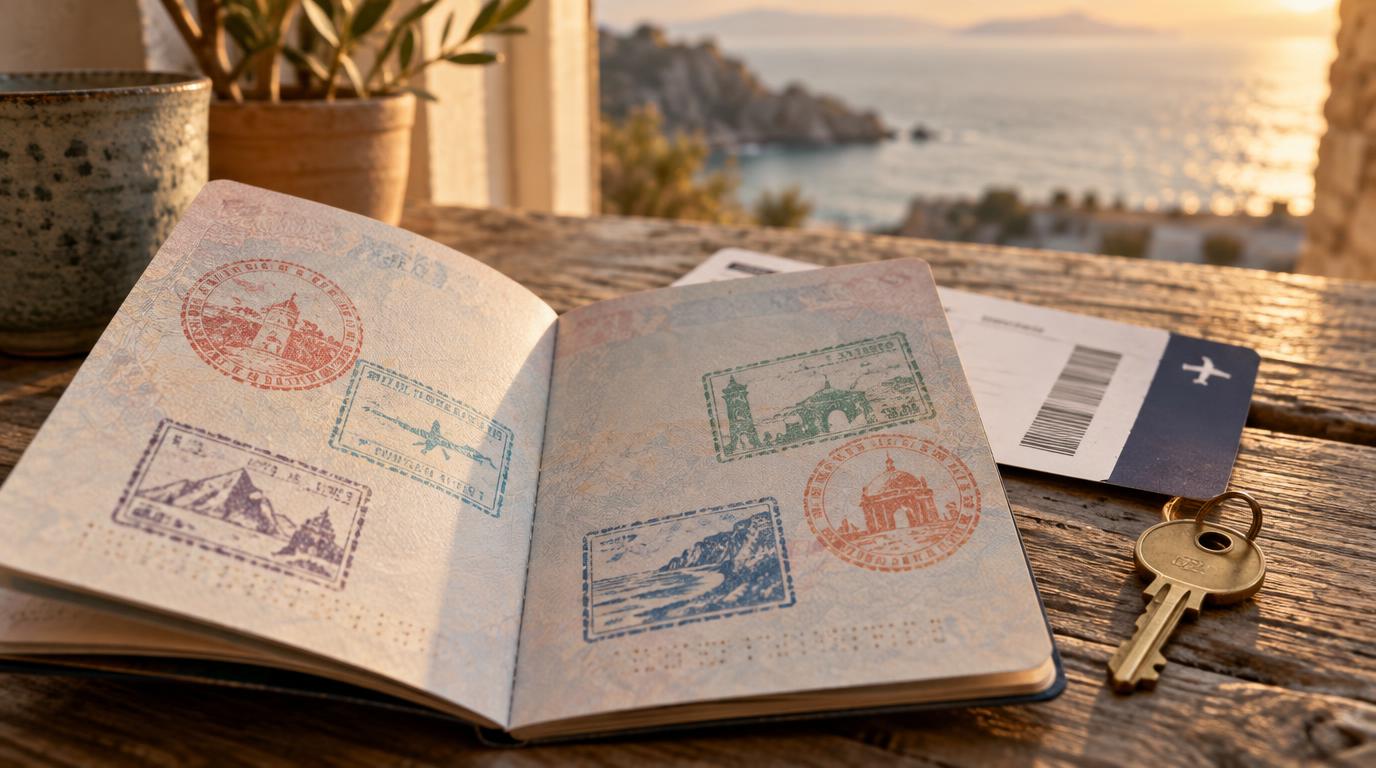
A visa run is a short trip out of a country to reset the stay you are allowed. This list covers seven stops near Southeast Asia, with current stay limits, fees, and forms for each one. Thailand changed its entry rules on 15 September 2026, so a short section on those rules comes first. For the basics, read our guide on what a visa run is.
How this list is ordered
Each stop is judged on stay length, visa fee, forms, and travel time from common bases such as Bangkok, Hanoi, and Denpasar. The list starts with stops that give the longest new stay or a return to Thailand on a longer visa. Later entries are shorter, quicker trips.
What changed in Thailand in September 2026
Many visa runs start in Thailand. The new rules shape how useful the other stops on this list are.
- Stay length: The 60-day visa exemption ended on 15 September 2026. Visa-free entry is now 30 days for 60 countries and territories, including the US, UK, Canada, and Australia.
- Extension: Visa-exempt travelers can ask for one extension of up to 30 days. Immigration must approve it, and the fee is 1,900 baht.
- Land entries: Most visa-exempt travelers may enter by land no more than twice per calendar year. Air arrivals are not covered by the cap.
- Purpose: The exemption is now tied to tourism, according to Visas News.
Thai immigration has also said it may refuse entry to people who make more than two visa runs without a valid reason. This applies at airports and land borders. Sources disagree on whether land entries made earlier in 2026 count toward the cap, so plan as if they do.
The seven best stops for a visa run
1. Kuala Lumpur and Penang, Malaysia
Malaysia gives many passports a long stay without a visa. Kuala Lumpur and Penang both work well as short bases. Penang can also be reached by land from southern Thailand through the Sadao and Padang Besar crossings.
- Stay: Up to 90 days for citizens of the US, UK, Canada, Australia, and many EU countries. Many other passports receive 30 days.
- Cost: No visa fee for visa-free nationalities.
- Forms: The Malaysia Digital Arrival Card must be completed online within three days before arrival.
- Extension: Visa-free stays are generally not extendable.
A 90-day stay is long enough to reset a Thai stamp and still leave weeks of work time. Thai Law Online says a run to Penang, Vientiane, or Savannakhet lets a traveler return to Thailand on a visa. The other option is an exempt stamp, which now carries the two-entry land limit. Travelers who want a longer Malaysian stay can read about the DE Rantau Nomad Pass.
Best for: Nomads with a US, UK, Canadian, Australian, or EU passport who want the longest reset.

2. Vietnam
Vietnam issues a 90-day e-visa to citizens of all countries, so the passport matters less here than at other stops. Many nomads already live in Da Nang or Ho Chi Minh City.
- Stay: Up to 90 days, with a single-entry or multiple-entry option.
- Cost: US$25 for single entry and US$50 for multiple entry. The fee is not refunded if the application is refused.
- Processing: About three to five working days.
- Extension: Most sources say the e-visa cannot be extended inside Vietnam. One source says a single extension is possible, so plan to leave on day 90.
A multiple-entry e-visa lets a worker leave for a side trip and return on the same visa. Vietnam has no digital nomad visa, so the e-visa is the main route for longer stays. A nomad who lives in Vietnam resets by leaving the country and applying again from abroad.
Best for: Nomads who need 90 days and hold a passport with a short visa-free stay elsewhere.
3. Vientiane, Laos
Vientiane sits across the Friendship Bridge from Nong Khai in Thailand. The Thai embassy there issues tourist visas. A traveler can return to Thailand on a visa instead of an exempt stamp.
- Laos entry: The visa on arrival costs about US$40 in cash, and the e-visa costs about US$50. Both give 30 days.
- Thai tourist visa: 60 days, with one 30-day extension. The fee differs by embassy, and sources list 1,000 to 2,000 baht.
- Funds: Thai officials may ask for proof of 20,000 baht per person.
- Border hours: The Friendship Bridge crossing runs daily from 06:00 to 22:00.
One guide puts the full trip at two to three days and 3,000 to 8,000 baht. The two-entry cap applies to entries under the visa exemption, so a return on a tourist visa should fall outside it. Thai Law Online adds that embassies now refuse applicants with a long chain of stamps.
Best for: Travelers in northeastern Thailand who want 60 days or more on a proper visa.

4. Siem Reap and Phnom Penh, Cambodia
Cambodia is a common first run from Bangkok. The Aranyaprathet to Poipet crossing is a same-day trip, and one guide lists it at six to ten hours.
- Stay: 30 days, with one 30-day extension in Phnom Penh.
- Cost: The visa on arrival costs US$30 in cash. The e-visa costs US$30 to US$36, depending on the source and the processing fee.
- Forms: Visa Traveler lists an e-arrival card to complete online within seven days before arrival.
- Risk: Poipet reports a high refusal rate, and scams appear around the crossing.
Thai Law Online says officers at Poipet may grant only a few days to travelers with a pattern of short stays. Flying to Siem Reap or Phnom Penh is a calmer option, although air arrivals can still draw questions about repeated trips.
Best for: A first or second run by travelers who have not used their two land entries.
5. Bali, Indonesia
Indonesia suits nomads who live in Thailand or Vietnam and want an island stay. Many passports qualify for a visa on arrival, which can be paid at the airport or online as an e-VOA.
- Stay: 30 days, extendable once by 30 days, for 60 days in total.
- Cost: IDR 500,000 for the visa, about US$30 to US$35. The extension costs another IDR 500,000, and Bali adds a tourist levy of IDR 150,000.
- Forms: The All Indonesia arrival declaration is due within three days before arrival.
- Extension rules: Since June 2025, extensions require an in-person visit to an immigration office.
Overstays cost IDR 1,000,000 per day, so a traveler should extend or leave before day 30 ends. One travel site reports a proposal from August 2026 to raise fees. The figures are IDR 750,000 for the e-VOA and IDR 1,000,000 for the airport visa. Check the current fee before buying. Nomads who want a legal base for work in Bali can read about the E33G remote worker visa.
Best for: Nomads who want one or two months on an island and can handle a visit to an immigration office.

6. Manila and Cebu, Philippines
The Philippines gives most passports 30 days without a visa. Extensions are possible at Bureau of Immigration offices.
- Stay: 30 days visa-free for about 157 countries. Citizens of Brazil and Israel receive 59 days.
- Extension: The first extension adds 29 days and costs about 3,030 pesos.
- Forms: The eTravel registration must be completed within 72 hours before arrival.
- Checks: Officers may ask for an onward ticket and proof of funds of about US$50 per day.
The first extension needs a visit to an immigration office and a fee. A short run to Manila or Cebu can be simpler than staying and extending. Visa information sites differ on some Philippine rules, so confirm details with the Bureau of Immigration.
Best for: Nomads who want an island base and do not need the cheapest reset.
7. Singapore
Singapore works as a quick turnaround for travelers who prefer a short, well-organized trip over a land border.
- Stay: 90 days for citizens of the US, UK, EU countries, Australia, New Zealand, South Korea, and Japan. Many other passports receive 30 days.
- Cost: No visa fee for visa-free nationalities.
- Forms: The SG Arrival Card is free and must be submitted within three days before arrival.
- Extension: One 30-day extension is possible, for about S$30 to S$40.
Singapore has no visa on arrival. Travelers from countries that need a visa must apply before they fly. Agent fees come on top of the S$30 government fee.
Best for: A one-night or two-night reset with simple paperwork.

When a visa run is the wrong tool
Visa runs buy a few extra weeks, and the rules around them keep tightening. The Destination Thailand Visa allows 180 days per entry and can be extended by another 180 days. The visa asks for 500,000 baht in savings and proof of work outside Thailand. The fee is 10,000 baht.
Readers who are unsure which type of permit they need can compare a digital nomad visa and a tourist visa. Many countries also treat a person as a tax resident after 183 days of presence. Tax details here are general information and not tax advice. Ask a qualified tax professional about your own case.
Pick your next stop
Choose the run that fits your passport, your current base, and the days you have left. Malaysia and Vietnam give the longest new stays, and Vientiane can return you to Thailand on a visa. Ready to set a date? Search flights to Kuala Lumpur, Ho Chi Minh City, or Vientiane on FlyBibe and book your next stop.
Immigration and tax rules change often, and Thailand changed its rules in September 2026. Confirm current requirements with the relevant embassy or a qualified professional before you travel. The article reflects information researched on 11 October 2026. Several fees come from news and visa information sites. Check them on the official pages of Thailand’s Ministry of Foreign Affairs, Vietnam’s Immigration Department, Malaysia’s Immigration Department, Indonesia’s Directorate General of Immigration, the Philippine Bureau of Immigration, and Singapore’s ICA.