

A visa run is a short trip out of a country to renew or replace the permission to stay. This guide explains what the term means and whether visa runs are legal. It also covers how the rules work in six popular nomad destinations as of October 2026.
What a Visa Run Means
People use two terms for related ideas, and the difference affects how much risk is involved.
- Border run (or border hop): Leaving a country and returning soon after, often on the same day, to receive a fresh visa-free or tourist stamp.
- Visa run: Leaving a country to apply for, collect, or activate a real visa, such as a consulate visit in a neighboring city.
- Everyday use: Many nomads use both terms for either action, so a “visa run” in conversation may mean either one.
A visa run in the narrow sense carries low risk when the visa is real and approved. A border run depends on the officer who checks your passport at the crossing. Many countries now issue e-visas online, so a real visa often needs no border crossing at all.
Are Visa Runs Legal?
Leaving a country and coming back is allowed in most places. The open question is whether the border officer admits you again, and for how many days.
- Entry is decided at the border: Officers review each arrival, and an earlier stamp does not promise a new one.
- Repeated runs draw attention: Thailand’s Immigration Bureau said in late 2025 that officers could refuse entry to travelers who make more than two visa runs without a valid reason.
- Overstaying is the clearest legal problem: One visa guide for Albania lists a fine of 100 to 500 euros and a five-year entry ban for overstays.
- Tourist status has limits: A tourist entry is meant for visits. The comparison of a digital nomad visa vs tourist visa shows where each one fits.
Much of the trouble travelers report comes from living in one country for months on back-to-back tourist entries. A single trip abroad with a clear plan to return is less likely to raise questions.
Visa Run Rules by Destination in 2026
Rules differ by country, and several changed during the past year. Each section below covers one destination.
Thailand: Shorter Stays and a Land Border Cap
Thailand changed its rules in September 2026, so a plan that worked last year may fail now.
- Visa-free stay: Since 15 September 2026, citizens of about 60 countries and territories receive 30 days instead of 60. The list includes the US, UK, Canada, and Australia.
- Extension: One extension of up to 30 days is possible at an immigration office, subject to approval.
- Land border cap: Most visa-exempt travelers may enter by land only twice per calendar year. Citizens of Brunei, Indonesia, Malaysia, and Singapore have exceptions.
- Air arrivals: The cap covers land crossings only, although officers may still question repeated entries.
- Earlier arrivals: Travelers who entered before 15 September keep the stay granted at the time.
Sources report slightly different counts of eligible countries, so the official government list is the safest check for a given passport.
A visa-free run now adds little time in Thailand. Longer stays fit the Destination Thailand Visa better, since it allows 180 days per entry plus one 180-day extension. The fee is 10,000 baht, and applicants show proof of 500,000 baht in funds.
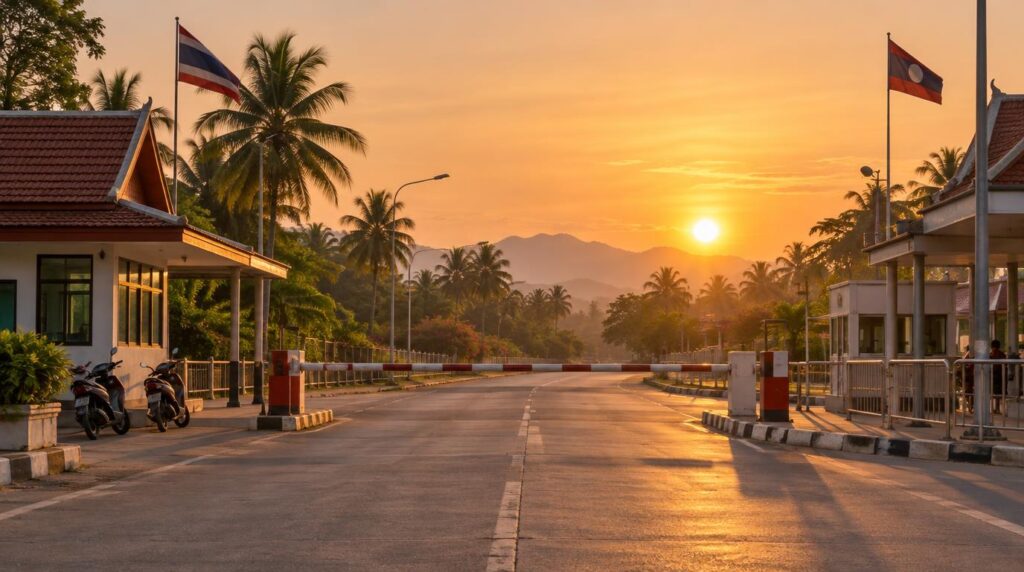
Vietnam: Renewing With a New E-Visa
Vietnam gives most visitors a fixed stay, and the usual way to stay longer is to leave and enter on a new permit.
- E-visa: Valid for up to 90 days and open to all nationalities since August 2023. The government fee is 25 US dollars for single entry and 50 US dollars for multiple entry.
- Processing: Standard processing takes about 3 to 5 working days.
- Visa-free entry: Around 30 nationalities receive 15 to 45 days, depending on the passport. Sources say these stays cannot be extended inside Vietnam.
- Single and multiple entry: A single-entry e-visa ends on exit, so returning needs a new application. A multiple-entry e-visa allows trips to Cambodia, Laos, or Thailand within the same 90 days.
- Typical run: Land crossings such as Moc Bai, near Ho Chi Minh City, accept e-visas. One Vietnam travel site estimates a run with a new e-visa at roughly 60 to 140 US dollars.
Most sources agree that an e-visa cannot be extended from inside Vietnam, although one travel site describes a one-time extension. The official Vietnam e-Visa portal is the place to confirm the current rule. Applying for the next e-visa a week or more before the current one ends leaves room for delays.
Mexico: Allowed, With Officer Discretion
Mexico gives tourists a permit called the FMM, and the rules around repeat use depend heavily on the officer at the border.
- Tourist permit: The FMM allows up to 180 days. The officer decides the actual number of days, and 180 is only the maximum.
- Re-entry: One Mexico guide says no regulation forbids leaving and returning to get a new permit.
- Recent change: Since mid-2026, reports describe officers granting days that match the stated itinerary, such as 10 days for a one-week trip.
- Extension: An FMM cannot be extended.
- Penalties: Consequences for misuse range from a warning in the system to a ban from re-entry or deportation, at the officer’s discretion.
Nomads planning several months in Mexico may be better served by the Mexican temporary resident visa than by repeated tourist permits.
Schengen Area: Leaving Does Not Reset the Count
Europe’s short-stay rule counts days across all Schengen countries combined, so a trip out of one country may not help.
- The rule: Visa-exempt visitors may spend up to 90 days in any rolling 180-day period. The Schengen 90/180 day rule explains the day count in detail.
- Why a run fails: Each day inside Schengen stays in the 180-day look-back window until it is 180 days old. A full 90-day stay takes about 180 days to leave the count.
- Enforcement: The EU Entry/Exit System started in October 2025 and has run at all Schengen borders since 10 April 2026. The system records entries and exits digitally and counts days automatically.
- Legal route for longer stays: A national long-stay visa, often called a Type D visa, covers stays beyond 90 days in the issuing country.
Countries outside Schengen, such as Georgia and Albania, allow long stays for many passports. Some nomads split their time between those countries and Schengen.

Georgia and Albania: Long Stays With Few Runs
Georgia and Albania allow long visa-free stays, so a run only matters near the end of the allowance.
- Georgia: Citizens of many countries, including the US, UK, EU states, Canada, and Australia, can stay visa-free for up to 365 days. Nomad travel writers describe leaving and returning to start a new year as a common practice.
- Georgia in 2026: Travel guides report that health insurance covering the stay has been required since 1 January 2026. One travel blog also reports a database of illegal presence, introduced in October 2025, which makes careless stays riskier.
- Albania: US citizens may stay one year without a visa, and UK and EU passports receive 90 days. A US citizen who uses the full year must stay abroad for 90 days before starting another visa-free period. Nomads based in Tirana should check the allowance for their own passport.
A long allowance lowers the need for runs, although rules vary by passport. The official entry page for the country is the best final check.
How Digital Nomads Keep a Visa Run Legal
The habits below fit the risks covered above.
- Timely exit: Leaving before the permit ends avoids the overstay penalties described earlier. Planning the departure with several spare days leaves room for delays.
- Day and entry counts: A simple record of entries, exits, and permitted stays supports caps such as Thailand’s two land crossings per year.
- A genuine trip: Proof of onward travel, accommodation, and funds helps if an officer asks about the plan. Mexican officers, for example, may ask for return flights or hotel bookings.
- A real visa where one exists: Applying online for an e-visa or long-stay visa before leaving is the most direct route.
- Work within the permit: A tourist entry is for visiting. Rules on remote work for a foreign employer vary by country, so the local immigration rules or a professional are the right sources.
- Short chains of runs: Phuket immigration officials described border or visa runs that stretch a stay to 150 days or more as abnormal. Long chains of back-to-back runs draw closer scrutiny.

Tax Note
Counting days matters for taxes as well as immigration. Thailand can treat a person who stays 180 days or more in a calendar year as a tax resident. Vialto Partners notes this in its summary of the Destination Thailand Visa rules. Many countries use a 183-day threshold or other residency tests, and repeated tourist entries can add days quickly. The content here is general information, not tax advice. A qualified tax professional can review an individual situation.
Who a Visa Run Suits and Who Should Skip It
A visa run suits travelers who need a few extra weeks and already want to visit a neighboring country. A passport with generous entry terms also helps.
- Good fit: One extra stretch of stay, a trip to a nearby country that was already on the list, and a clean record of past stays.
- Poor fit: Plans to stay in one country for many months, a need for a lease, bank account, or insurance tied to a visa, and work for local clients.
- Schengen stays: Visa runs do not help here, so a long-stay visa or a time split with non-Schengen countries fits better.
For longer stays, a long-stay visa usually gives more certainty than a chain of runs.
Search Flights for Your Next Border Crossing
A well-planned trip across a border can add weeks to a stay and open a new place to explore. Search flights on FlyBibe to compare routes from your base to nearby countries such as Cambodia, Laos, or Armenia. Flight dates that leave a few spare days before a permit ends give the most room for delays. Checking the official entry rules before booking keeps the plan simple.
Official sources: Thailand e-Visa portal, Vietnam e-Visa portal, and the Thai Government Public Relations Department notice on the September 2026 visa changes.
Immigration and tax rules change often, and this article reflects information as of 9 October 2026. Confirm current requirements with the relevant embassy, the official government portal, or a qualified professional before making plans.