
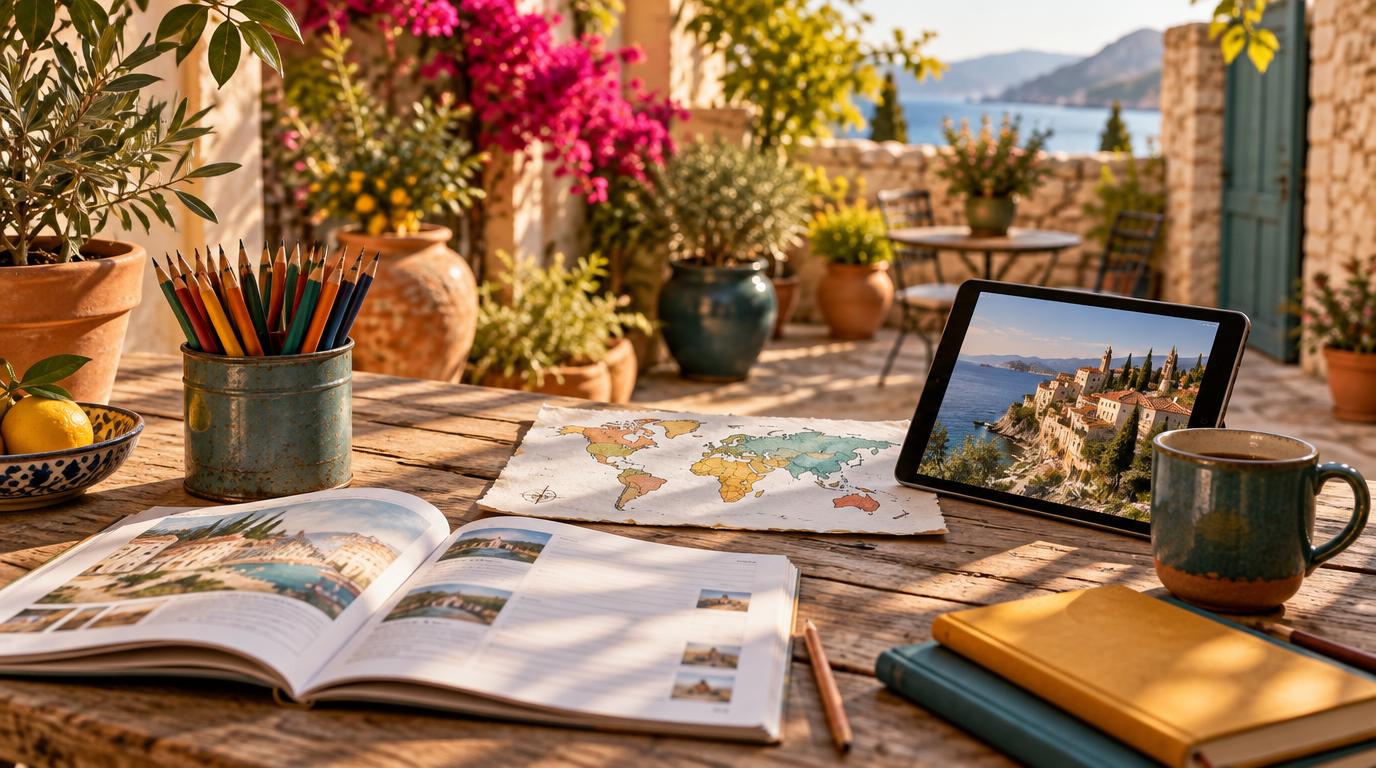
Worldschooling hubs give traveling children classmates and give parents adults who understand the lifestyle. The list below covers eight hubs and pop-up communities, from a one-week family ticket to a full three-month program. Each entry lists the format, ages, price where one is published, and the families it suits.
How the List Is Ordered
The list starts with the most structured programs and moves toward the lightest options. Length of stay, age range, and what the price includes matter most, because hubs with similar names can work very differently. Families new to the idea can start with our guide on how worldschooling works. Prices and dates change often, so families should confirm current details with each hub before booking.
Eight Hubs and Pop-Up Communities
1. Boundless Life (nine destinations, three-month cohorts)
Boundless Life is the most complete package on this list. One booking covers a school for the children, a coworking hub for the parents, and a furnished home.
- Locations: Bali, Sintra, Syros, Tuscany, Kotor, Andalusia, La Barra, Barcelona, and Kamakura.
- Ages: 1.5 to 14 years. Classrooms for ages 13 to 14 run only in select locations.
- School day: Five days a week from 8:45 a.m. to 3:30 p.m., with meals and cultural field trips.
- For parents: Round-the-clock coworking access, weekly wellness activities, and airport transfers.
- Cost: A one-time €400 enrolment fee per child. For the January to March 2027 cohort, listed starting prices ranged from about €1,300 a month in Kotor to about €2,800 in Andalusia, with Bali at about €2,200.
The price rises with family size and home size, so the Boundless Life pricing calculator gives the clearest number. A semester runs about 11 weeks, from early January to mid-March in the 2027 cohort. Many families without an EU passport can stay only 90 days in any 180-day period in the Schengen area. The Schengen 90/180 day rule explains how it works, so a European semester uses most of that allowance.
Best for: families who want one booking for school, home, and workspace for a full term.

2. Minga House (Chinchiná, Colombia)
Minga House is a nonprofit in Colombia’s coffee region. Families join a small local community instead of a large group of travelers.
- Location: Chinchiná, in the Caldas region, between Manizales and Pereira.
- Format: According to the Worldly Tribe directory, children attend a local bilingual school in the morning and join community activities in the afternoon.
- Length: Programs run in four-week modules, and groups stay small. Minga House says guests can stay from one week up to 180 days.
- Housing: The foundation describes a traditional house beside the town plaza, with wifi throughout.
Children spend part of each day in a local school, so Spanish gets regular use. Families who plan to stay longer can read about Colombia’s nomad visa. Current sessions and prices are available from Minga House directly.
Best for: families who want language practice in a small town.
3. Campus da Terra (Madeira, Portugal)
Campus da Terra is a nature-based homeschooling hub on a farm in Gaula, on the island of Madeira.
- Ages: Aimed at primary-age children.
- Format: Curriculum support combined with self-directed learning outdoors.
- Cost: Fees for resident families are tiered by household income.
- Availability: Places can fill up, so visiting families should ask early.
The tiered fees apply to resident families, so visiting families should ask what applies to a short stay. Madeira also has a digital nomad village where parents can find company. Our Madeira digital nomad village guide covers the community and the cost of living there.
Best for: families with primary-age children who want a farm setting and a longer stay on Madeira.
4. Deliberate Detour (Oaxaca, Cusco, and Budapest)
Deliberate Detour runs short immersion programs built around local food, craft, history, and nature. Local facilitators lead each one.
- Locations: Oaxaca, Cusco, and Budapest, with London available for custom programs.
- Format: The Signature Immersion is a two-week drop-off program for children. The Family Immersion lets children and adults learn side by side.
- Ages: About 7 to 16 for the children’s program, according to one family that attended in Cusco.
- Next dates: Oaxaca from October 19 to 30, 2026, and again from March 22 to April 2, 2027. Cusco from March 15 to 26, 2027.
- Cost: Priced per person with a base fee, plus optional add-ons such as Spanish tutoring and a Machu Picchu weekend.
Housing is not included, so families book their own stay. Cusco sits high in the Andes, so arriving a few days early helps with altitude, as our Cusco digital nomad guide explains. Parents can join optional parent-only activities or use the school hours to work.
Best for: families with children aged about 7 and older who want a structured two-week cultural program.

5. Worldschool Mexico (San Miguel de Allende, Oaxaca, and Tulum)
Worldschool Mexico started in 2025. It teaches through Mexican arts, food, and nature, and it does not offer traditional academics.
- Locations: San Miguel de Allende as the main base, plus hubs in Oaxaca and Tulum, which is the newest.
- Classes: Oaxacan embroidery, Talavera pottery, cooking, organic gardening, and horseback riding.
- Length: Families can join for one class, a month, or longer, according to the Worldly Tribe directory. A summer camp is also listed.
- Cost: Prices vary by enrollment option, and the site offers an info call to go over them.
The single-class option makes this a low-risk way to test hub life. Families with teenagers should ask about age groups, because the site describes programs for learners of all ages without listing age bands.
Best for: families already based in Mexico who want hands-on cultural classes.
6. Dream Big Travels World School Camp (Hoi An, Vietnam)
Dream Big Travels runs week-long world school camps for families. Its Vietnam camp was based in Hoi An.
- Dates: The 2026 camp ran from February 27 to March 6, so families should ask about the next dates.
- Price: A$799 with a A$50 deposit was listed for the 2026 camp. Families should confirm whether the price covers one person or the whole family.
- Included: Transfers between Hoi An and Da Nang, a guide, museum entry, and a catered lunch.
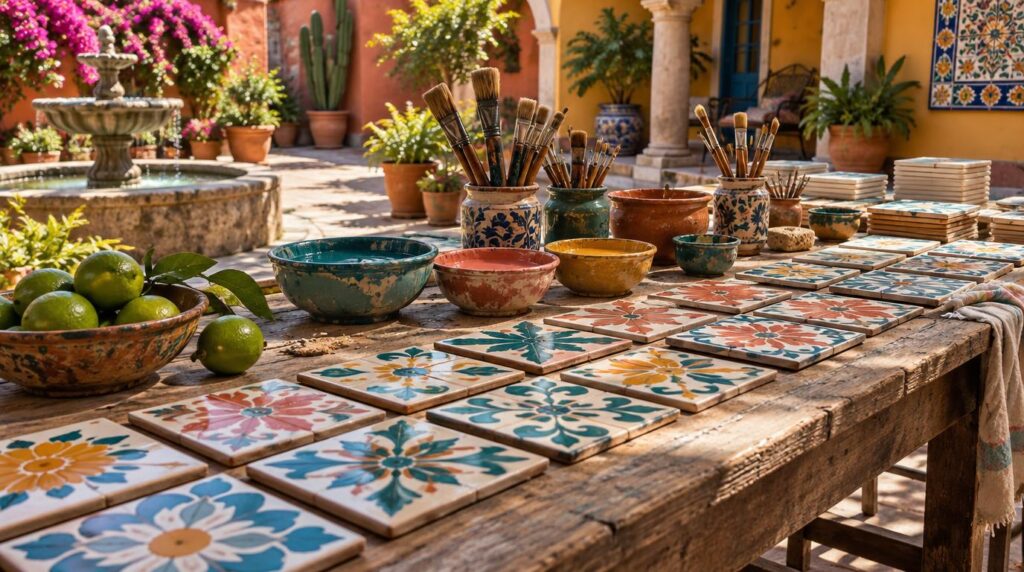
- Activities: A cultural exchange with local children in Da Nang and a lantern boat ride in Hoi An Old Town.
The Da Nang Museum has exhibits about war, and the camp listing warns that some may not suit children under 10. Dream Big Travels also runs programs around Tokyo, Kyoto, and Nara, according to the Worldly Tribe directory.
Best for: families who want a one-week guided start in central Vietnam.
7. World School Pop-Up Hub (week-long gatherings in many cities)
The World School Pop-Up Hub runs week-long gatherings in different cities. A local host plans the days, and families book their own housing.
- Price: $140 per family at the early bird rate and $180 at the regular rate, plus a 2.5% ticket fee.
- Included: Seven days of exploration, a host on the ground, advice on safe neighborhoods and housing, private messaging groups, and an online family directory.
- Not included: Accommodation, transport, meals, and entrance fees.
- Ages: No set age range, so siblings of different ages can come together.
- Coming up: As of early October 2026, listed events are Cape Town starting October 21, San Miguel de Allende on October 25, Taipei on November 9, Oaxaca on November 14, and Antigua, Guatemala on March 27, 2027.
The group has run more than 100 pop-ups, and families can attend part of the week at the same ticket price. Housing and meals cost extra, so the real budget depends on the city.
Best for: families who want to test hub life for a week with little commitment.
8. Bliss Hubs (parent-led communities in Asia)
Bliss Hubs supports parent-led communities in places such as Koh Lanta, Pai, and Bali. Families organize the meetups, workshops, and playdates themselves.
- Cost: US$40 a month per family for access to calendars, WhatsApp groups, and tools, according to the Worldly Tribe directory. Signing up to look around is free.
- Childcare: No drop-off childcare, so parents stay with their children.
- Ages: Informal community hubs usually welcome all ages.
- Bali base: Families in Ubud can also find Boundless Life and a network of informal parent groups.
Parent-led groups give flexibility, but they depend on other families joining, so activity levels can change with the season and location. Parents who need working hours without the children can read our guide to finding childcare as a digital nomad parent.
Best for: budget-minded families who like to plan their own days and want ready-made company.
Where to Find More Hubs
The Worldly Tribe directory lists more than 420 hubs and communities in over 70 countries, and the Worldschool Atlas is a free directory of worldschool locations. The Facebook groups Worldschoolers and Worldschooling Central are common places to ask other families which hub is running. Some families skip hubs and build community at libraries, markets, and parks.
Hubs cannot arrange visas or settle homeschooling rules. Families can compare visas with family and dependent provisions before they book.
Book Flights Around Your Hub Dates
Most hubs on this list run on set dates, so flights work best when they match the start of the program. Boundless Life semesters begin in early January, and pop-ups open on fixed weeks in cities such as Cape Town and Oaxaca. Search flights to your hub city on FlyBibe after choosing the program and the dates, and compare routes that suit a family travel day.