
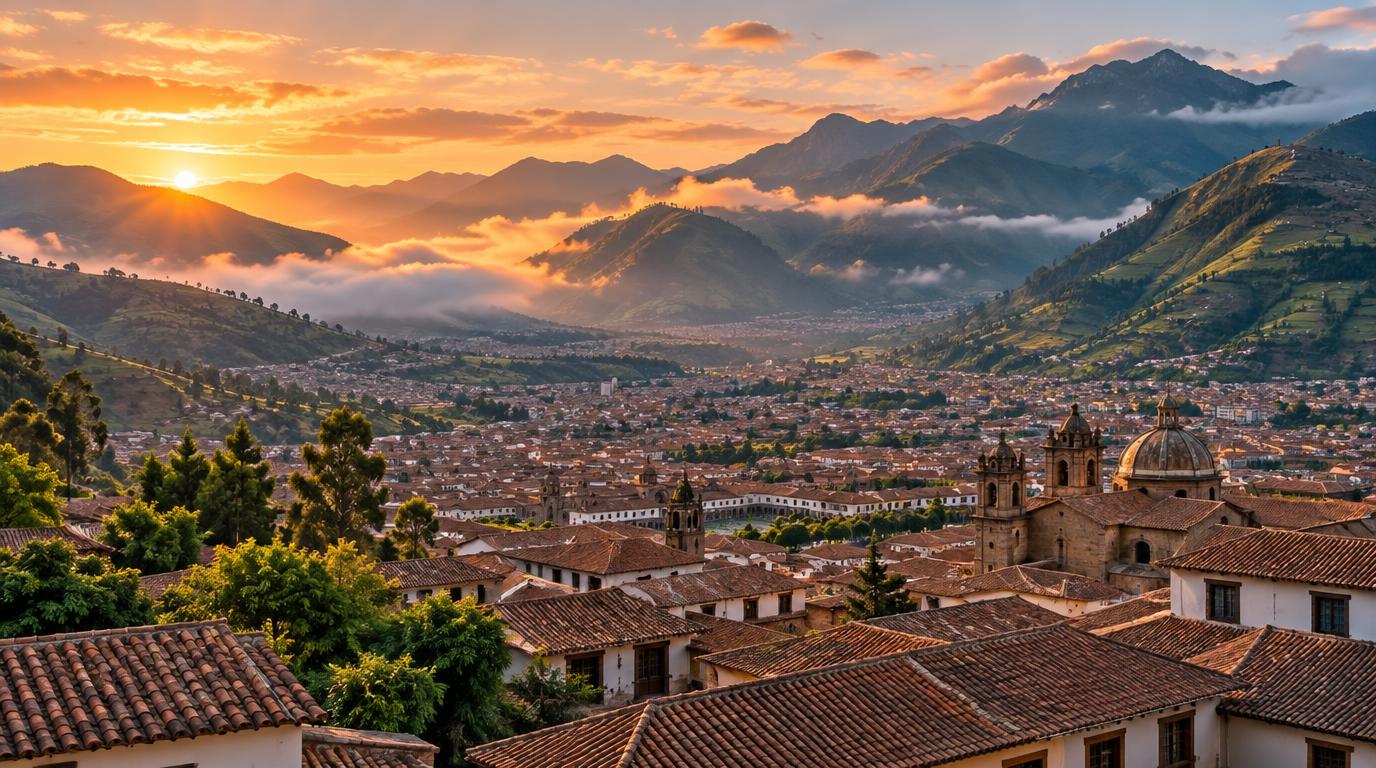
Six cities keep a mild climate through the whole year and still work well for remote workers. The entries below give the temperatures, internet speed, monthly cost, visa route, timezone, and safety rating for each one. The goal is to help you pick a base where the weather is comfortable and the work setup is practical.
How the Cities Were Chosen and Ordered
Each city has mild weather through the whole year, without a long stretch of extreme heat or cold. The list starts with the city where the average monthly temperature changes least and ends with the city where it changes most. Climate figures come from the sources named in each entry. Internet speeds are national medians from Speedtest data for March 2026, because city figures are less consistent. Visa figures and safety ratings were checked in October 2026 and can change.
1. Medellín, Colombia
Medellín is called the City of Eternal Spring, and the weather records support the name.
- Climate: The average temperature is about 22.5°C, and the monthly average changes by only about 1°F, according to Medellín Guru. Nomada’s climate notes describe slightly wetter spells in April to May and October to November, with afternoon downpours.
- Internet and coworking: Colombia’s median fixed broadband speed was 214 Mbps in March 2026. Coworking options include NODO, with sites in Laureles, El Poblado, and Envigado, and Atom House in El Poblado.
- Cost: The Rio Times put a digital nomad budget at about US$1,200 to US$1,500 a month in June 2026.
- Visa: Colombia’s digital nomad visa requires income of three times the minimum wage. In 2026 that is COP 5,252,715 a month, or roughly US$1,400 to US$1,700 depending on the exchange rate. The visa lasts up to two years and requires health insurance.
- Timezone: Colombia has no daylight saving time. The time matches US Eastern in winter and runs one hour behind it in summer.
- Safety: The US State Department rates Colombia Level 3, Reconsider Travel, as of March 31, 2026. The advisory cites crime, terrorism, civil unrest, kidnapping, and natural disasters, including landslides in Medellín.
Rents have risen in El Poblado and Laureles since 2023, so budgets from older guides may run low. A furnished one-bedroom now costs about US$600 to US$1,200 in El Poblado and US$400 to US$700 in Laureles, according to the Rio Times.
Best for: Remote workers on US East Coast hours who want steady temperatures and a low visa income bar.
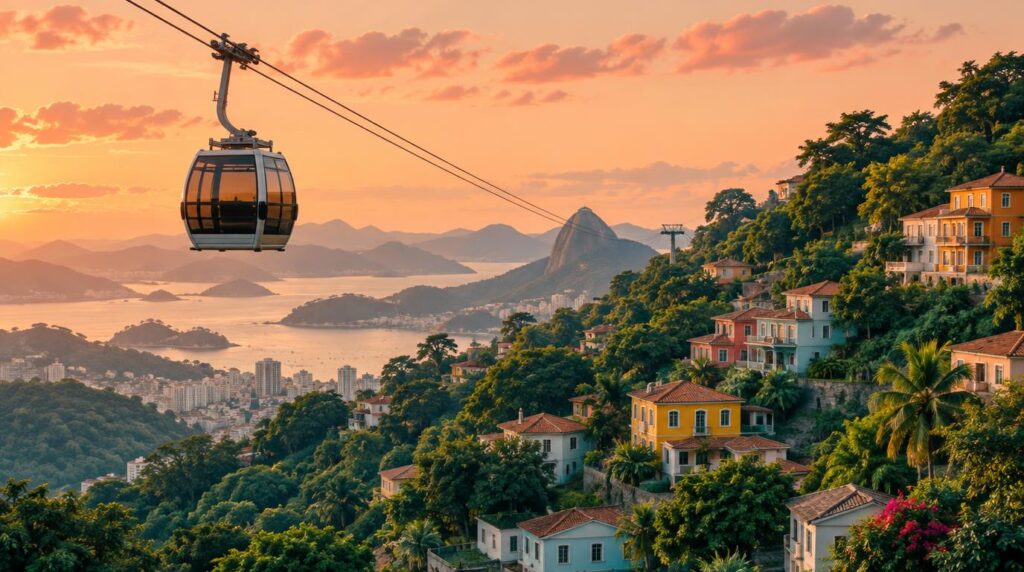
2. Nairobi, Kenya
Nairobi sits at about 1,800 metres above sea level, which keeps the air cooler than its position near the equator would suggest.
- Climate: Daytime highs run from about 21°C in July and August to 26°C in February and March, according to Weather2Travel. July nights fall to about 13°C, and April is the wettest month.
- Internet and coworking: Kenya’s median fixed broadband speed was 16 Mbps in March 2026, the lowest figure on this list. Median mobile speed was 49 Mbps. One 2026 guide reports fiber in Kilimani, Westlands, and Kileleshwa. Nairobi Garage, iHub, and The Mint Hub are established coworking options.
- Cost: A comfortable single expat life costs about US$1,000 to US$1,800 a month. A furnished one-bedroom in Westlands or Kilimani runs US$500 to US$800, according to ExpatLife.
- Visa: The Class N permit covers remote workers employed by, or serving clients of, companies outside Kenya. Law firms list a US$200 processing fee and a US$1,000 yearly issuance fee. Sources disagree on the income test, with figures of US$24,000 and US$55,000 a year, so the official eFNS portal is the place to confirm it.
- Timezone: Kenya uses UTC+3 all year. Europe is one to three hours behind, and US Eastern is seven to eight hours behind, so a 9:00 a.m. call in New York falls between 4:00 and 5:00 p.m. in Nairobi.
- Safety: The State Department rates Kenya Level 2, Exercise Increased Caution (July 28, 2026), and advises against travel to the Nairobi neighborhoods of Eastleigh and Kibera. The advisory also notes violent protests, most often in Nairobi, and limited medical services.
Average monthly temperatures stay between 17.4°C in July and 21.1°C in March, according to Kupi. Because national fixed broadband speeds are low, a mobile data backup is a practical addition to a Nairobi setup.
Best for: Remote workers on European hours who want cool weather at altitude and are ready for the Class N paperwork.

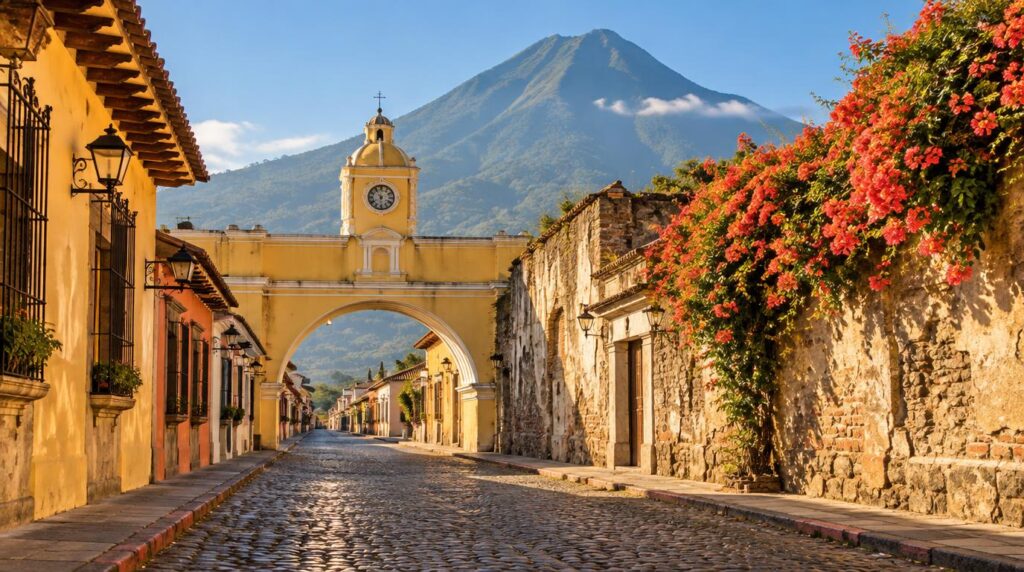
3. Antigua Guatemala, Guatemala
Antigua Guatemala is a small colonial town at about 1,500 metres, with volcano views and a long-running Spanish-school scene.
- Climate: Average monthly temperatures run from 18°C in January to 22°C in April and May, and January nights fall to about 13°C. Rainfall totals about 750 mm a year, and August is the wettest month, according to Climate-Zone.
- Internet and coworking: Guatemala’s median fixed broadband speed was 93 Mbps in March 2026. Impact Hub is a well-known coworking space in the town.
- Cost: A comfortable single life costs about US$1,200 to US$1,700 a month, according to Living in Guatemala. Prices rise 20 to 30 percent from November to March.
- Visa: Most passports receive 90 days visa-free, shared across Guatemala, El Salvador, Honduras, and Nicaragua. An extension adds 90 days for about US$25. Guatemala’s migration institute added a remote-worker residence category in October 2025, and its income test should be confirmed with the institute.
- Timezone: Guatemala uses UTC-6 all year. The time matches US Central in winter, runs one hour behind it in summer, and sits one to two hours behind US Eastern.
- Safety: The State Department rates Guatemala Level 3, Reconsider Travel (March 12, 2026), and names Antigua among the popular destinations where US government employees can travel. Zone 18 of Guatemala City and the city of Villa Nueva are rated Level 4.
Rainy-season afternoons are the main weather trade-off, since most of the yearly rain falls from May to October. The dry months from November to April bring the brightest weather and the highest prices.
Best for: Slow-travel remote workers on US Central hours who want a small walkable town and a lower monthly budget.
4. Mexico City, Mexico
Mexico City sits at about 2,240 metres, so days stay mild and nights turn cool.
- Climate: January averages a high of 22°C and a low of 7°C, according to WeatherSpark. May averages a high of 27°C and a low of 13°C. Afternoon showers arrive from about May to October, and July is the wettest month.
- Internet and coworking: Mexico’s median fixed broadband speed was 104 Mbps in March 2026. Homework, Selina, and Público Cowork have sites in Roma Norte, according to one 2026 guide.
- Cost: The same guide puts a total monthly cost at US$1,200 to US$2,200. The guide also reports that Roma Norte rents rose 40 to 60 percent after the nomad wave.
- Visa: Many Western passports receive a tourist permit of up to 180 days, though border officers decide the number of days. The Temporary Resident Visa needs about US$4,400 a month in income over six months, or roughly US$74,000 in savings, depending on the consulate.
- Timezone: Mexico City uses UTC-6 all year. The time matches US Central in winter and runs one to two hours ahead of US Pacific.
- Safety: The State Department rates Mexico Level 2, Exercise Increased Caution (May 29, 2026), and lists Mexico City at Level 2.
Coyoacán and Escandón cost less than Roma Norte and Condesa, with a similar quality of life, according to Nomada. Dry-season nights are cool, so a jacket is useful from late November to early February.
Best for: US-based remote workers who want a large city with a strong food scene and can handle cool nights and high altitude.

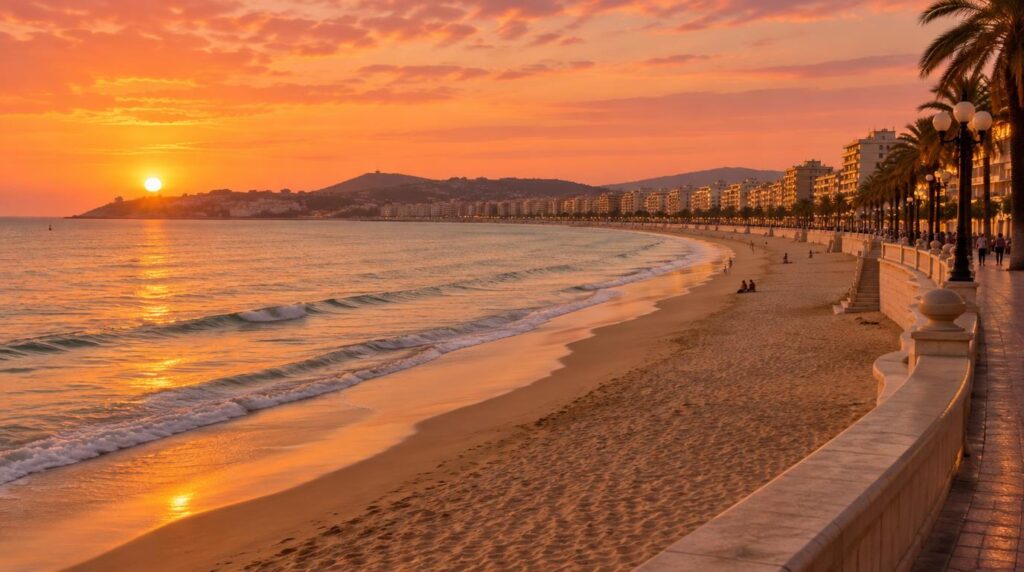
5. Las Palmas de Gran Canaria, Spain
Las Palmas de Gran Canaria has been a nomad base since the mid-2010s, according to Hosteltur.
- Climate: February is the coolest month, with an average high of 21°C and low of 16°C. August is the warmest, at 27°C and 22°C, according to WeatherSpark. July has almost no rain, and December is the wettest month at about 15 mm.
- Internet and coworking: Spain’s median fixed broadband speed was 278 Mbps in March 2026. The city has about 20 coworking spaces, with fixed-desk plans near €120 a month. Sky Coworking has a rooftop terrace between the port and Las Canteras beach.
- Cost: thinkSPAIN estimates €1,400 to €1,900 a month for a single remote worker in Las Palmas or Tenerife in 2026.
- Visa: Spain’s digital nomad visa requires about €2,849 a month for a single applicant in 2026, set at 200 percent of the minimum wage, plus private health insurance. One source lists €2,762, so the consulate should confirm the figure. Visa-free visitors follow the Schengen 90/180 day rule.
- Timezone: The Canary Islands use UK time, which is one hour behind Central Europe and usually five hours ahead of US Eastern.
- Safety: The State Department rates Spain Level 2, Exercise Increased Caution (August 1, 2026), for terrorism and unrest. The one Level 3 area is Ceuta, far from the Canary Islands.
Even the coolest month has highs near 21°C, which suits northern Europeans escaping winter, according to thinkSPAIN.
Best for: Remote workers on UK or European hours who want an EU base with warm winters.
6. Funchal, Madeira, Portugal
Funchal is the main city on Madeira, an Atlantic island that is home to the Madeira Digital Nomad Village in Ponta do Sol.
- Climate: Monthly averages run from about 16°C in January to 23°C in July, according to Nomada. Rainfall totals about 640 mm a year, mostly from mid-October to mid-April, and the Leste wind can push summer temperatures above 30°C.
- Internet and coworking: Portugal’s median fixed broadband speed was 244 Mbps in March 2026. Cowork Funchal and Lobo Cowork operate in the city, and the free coworking space in Ponta do Sol requires online registration first.
- Cost: A single person spends about €1,400 to €2,000 a month in Funchal, including rent, according to Migaku. Coliving spaces cost about €650 to €1,000 a month with utilities and wifi included, according to Holafly.
- Visa: The D8 visa requires income of €3,680 a month in 2026, which is four times Portugal’s €920 minimum wage. The temporary-stay version lasts up to one year.
- Timezone: Madeira uses UK time, so the difference with US Eastern is usually five hours.
- Safety: The State Department rates Portugal Level 1, Exercise Normal Precautions, the lowest advisory level.
Funchal has the widest seasonal change on this list, and winter brings the rain. Visitors who accept some damp weather get a safe island base with an established nomad community.
Best for: Remote workers on UK hours who want a safe island base with a nomad community and can meet the D8 income test.
Pick a Mild Base and Book the Trip
Medellín, Las Palmas, and Funchal offer steady temperatures with clear visa routes. Antigua, Mexico City, and Nairobi add cooler nights at altitude. If one of these cities fits your next stretch of work, search flights to your chosen city on FlyBibe. Compare dates and routes before you settle on a base.