

Southeast Asia holds some of the most practical bases for remote work anywhere, if you know which city fits your setup. This guide compares Chiang Mai, Kuala Lumpur, Penang, Da Nang, Ho Chi Minh City, and Canggu on what decides whether a stay works: internet speed, real monthly cost, visa options, timezone overlap, and coworking access.
The order starts with the city that balances cost, wifi, and visa options best, moves through Malaysia’s two nomad-pass cities, then Vietnam’s two visa-workaround cities, and ends with Canggu, which demands the highest income here in exchange for the biggest built-in community.
1. Chiang Mai, Thailand
Chiang Mai has anchored Southeast Asia’s remote work scene for over a decade, and the infrastructure shows it: cheap furnished condos, an established coworking scene, and a community used to nomads arriving and leaving.
- Internet: Thailand’s national fixed broadband median runs around 275 Mbps on Ookla’s rankings, though measured Chiang Mai coworking speeds average closer to 25 Mbps, fine for calls but worth testing a space first.
- Cost: A nomad budget runs roughly $900-$1,300 a month: a one-bedroom condo ($350-$550), a coworking desk ($100-$250), and street food.
- Visa: The Destination Thailand Visa (DTV) covers remote workers directly: five years multiple entry, 180 days per stay, extendable once to 360 days, for $280-$400 and about $14,000 in seasoned savings.
- Timezone: UTC+7, 12 hours ahead of US Eastern, 7 ahead of the UK. Chiang Mai’s afternoon lands in the UK’s morning, the closest real-time overlap with Europe here.
- Community: Punspace and CAMP anchor a coworking scene built around actual events, not just desks.
The DTV turned Chiang Mai from a visa-run city into one where a multi-year stay is plannable, though the savings requirement rules out anyone just starting out. Burning season, roughly February through April, brings heavy smoke haze that pushes many nomads out for a few months.
Best for: first-time nomads who want the lowest cost and the most established support system in the region.

2. Kuala Lumpur, Malaysia
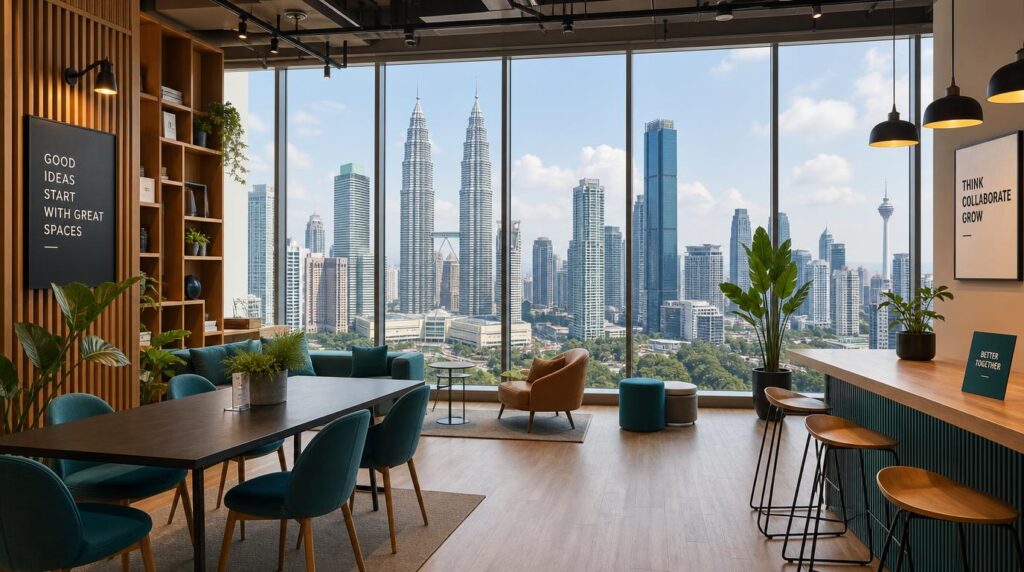
Kuala Lumpur is the most polished, English-fluent base on this list, with the clearest path to a multi-year stay of any city here.
- Internet: Malaysia’s national fixed broadband median runs about 162 Mbps, and KL’s coworking spaces average around 53 Mbps in practice, the most consistent real-world number here.
- Cost: A nomad budget runs $1,800-$1,900 a month, with a one-bedroom in the city center near $640 and a coworking desk around $100.
- Visa: The DE Rantau Nomad Pass grants 12 months, renewable once for a two-year total, requiring proof of roughly $24,000 in annual income and an approved digital profession.
- Timezone: UTC+8, 13 hours from US Eastern, 8 from the UK, matching Bali and Penang.
- Community: WORQ and Common Ground run multiple 24-hour locations, more corporate than communal but reliably fast and safe late.
KL costs more than Chiang Mai or Da Nang for a comparable setup, but it’s the only city here where the visa, wifi, and coworking scene were built for exactly this, not adapted from a tourist system. Some long-stayers find it quieter on nightlife than Bangkok or Bali.
Best for: nomads who want a legal multi-year runway and infrastructure that just works, over social buzz.
3. Penang, Malaysia
Penang, and George Town specifically, delivers Malaysia’s visa options and infrastructure at a noticeably lower cost than the capital, with a UNESCO old town that keeps it from feeling like a suburb.
- Internet: Same national median as Kuala Lumpur, around 162 Mbps, with local cafes and coworking spaces reliable enough for calls without the caveats seen in Bali or Da Nang.
- Cost: A comfortable nomad budget runs RM3,500-4,500, about $865-$1,115 a month, covering a modern condo, hawker-stall meals, and local transport.
- Visa: The same DE Rantau Nomad Pass applies: 12 months, renewable once, income requirement near $24,000 a year.
- Timezone: UTC+8, the same overlap profile as Kuala Lumpur and Bali.
- Community: Homeworkers and Infinity8 anchor George Town’s scene, smaller than KL’s but used by long-stay residents rather than day-trippers.
Penang’s hawker food scene keeps eating-out costs below what most nomads pay to cook at home elsewhere, a real factor in the lower budget. The tradeoff is a smaller nomad community than Canggu or Chiang Mai, better suited to someone already comfortable working independently.
Best for: nomads who want Malaysia’s visa and safety profile at a lower cost than KL, with more old-town character.
4. Da Nang, Vietnam
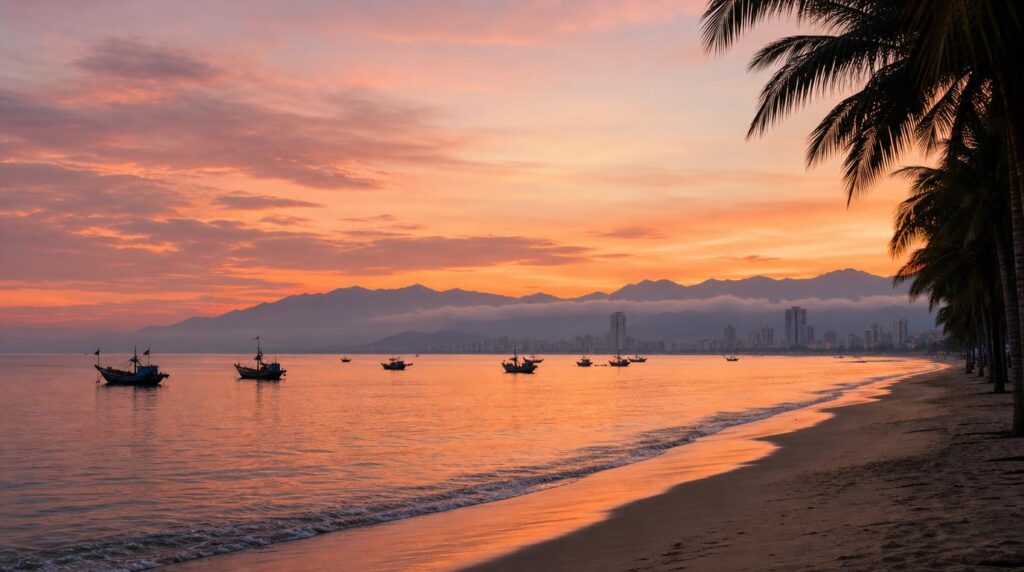
Da Nang pairs a genuine beach city with the lowest cost of living on this list, at the expense of an internet connection worth testing space by space.
- Internet: Vietnam’s national fixed broadband median runs around 274 Mbps by Ookla’s ranking, among the fastest in Asia, but Da Nang’s measured coworking average is closer to 7 Mbps, worth checking directly before booking a long stay.
- Cost: A nomad budget lands near $900-$1,000 a month: one-bedroom rent around $520 and a coworking desk around $150.
- Visa: Vietnam has no dedicated digital nomad visa. Remote workers use a 90-day e-visa (about $50, multiple entry) for foreign-client work only, since local employment on a tourist visa risks deportation and a re-entry ban.
- Timezone: UTC+7, same as Thailand, 12 hours from US Eastern, 7 from the UK.
- Community: Enouvo Space is the closest thing to a nomad hub, with Danang Coworking as a budget option and Hoi An 30 minutes south for a slower pace.
The lack of a visa built for remote work is the real tradeoff: plan on exit-and-reentry cycles or one longer stay under the 90-day window, not years of continuous residence. Typhoon season runs September through December and is worth avoiding.
Best for: budget-focused nomads who want beach living and don’t need a multi-year visa runway.
5. Ho Chi Minh City, Vietnam
Ho Chi Minh City trades Da Nang’s beach pace for a faster, denser city built around business, with a genuinely large expat professional scene.
- Internet: Vietnam’s national median is fast on paper, but HCMC’s measured coworking average sits around 14 Mbps, worth testing before signing a lease.
- Cost: A nomad budget runs about $1,400-$1,450 a month: a city-center studio near $575 and a coworking desk around $77.
- Visa: Same rules as the rest of Vietnam: no dedicated nomad visa, a 90-day e-visa for foreign-client work only, no legal path to local employment.
- Timezone: UTC+7, matching Thailand and Da Nang.
- Community: Dreamplex, CirCO, and Toong cover most budgets, from premium 24/7 access to no-frills desks, with better meeting rooms than the beach towns.
The tradeoff for HCMC’s business energy is traffic and pollution that come up more in reviews than in Da Nang or Chiang Mai, worth weighing if quiet mornings matter to your routine. Dry season runs December through April.
Best for: nomads who want a real city with stronger business infrastructure than the beach towns, and don’t mind trading quiet for energy.
6. Canggu, Bali, Indonesia
Canggu built its reputation on beach breaks and the region’s biggest nomad social scene, but it carries the highest price tag and least reliable internet on this list.
- Internet: Indonesia’s national fixed broadband median sits around 43 Mbps, well behind Thailand and Vietnam, and Canggu’s coworking spaces test closer to 25 Mbps.
- Cost: A nomad budget runs $2,400-$3,300 a month, driven by rent: a one-bedroom studio in central Canggu averages about $1,550 a month before villas enter the picture.
- Visa: Indonesia’s E33G Remote Worker Visa (KITAS) grants up to a year, renewable, but requires proof of roughly $60,000 in annual foreign income, well above Thailand’s DTV or Malaysia’s DE Rantau.
- Timezone: UTC+8, matching Malaysia, 1 hour ahead of Thailand and Vietnam.
- Community: Tropical Nomad and Dojo Bali remain the reference points, alongside dozens of villa-coliving setups.
The income threshold rules out most early-career remote workers, who instead cycle through the 30 or 60-day visa-on-arrival and exit for a new stamp, a workaround that’s grown less reliable as enforcement has tightened. Villa break-ins and scooter traffic are the two safety issues that come up most, worth a proper lock and real travel insurance.
Best for: nomads with an established income who want beach access and the biggest built-in social scene in the region, not the tightest budget.

Chiang Mai, Kuala Lumpur, and Penang currently offer the clearest legal path to a long stay, while Da Nang and Ho Chi Minh City win on price if you’re comfortable working around Vietnam’s visa gap. Canggu still delivers if your income clears its bar. Search flights to any of these cities on FlyBibe and start planning the move that actually fits how you work.