
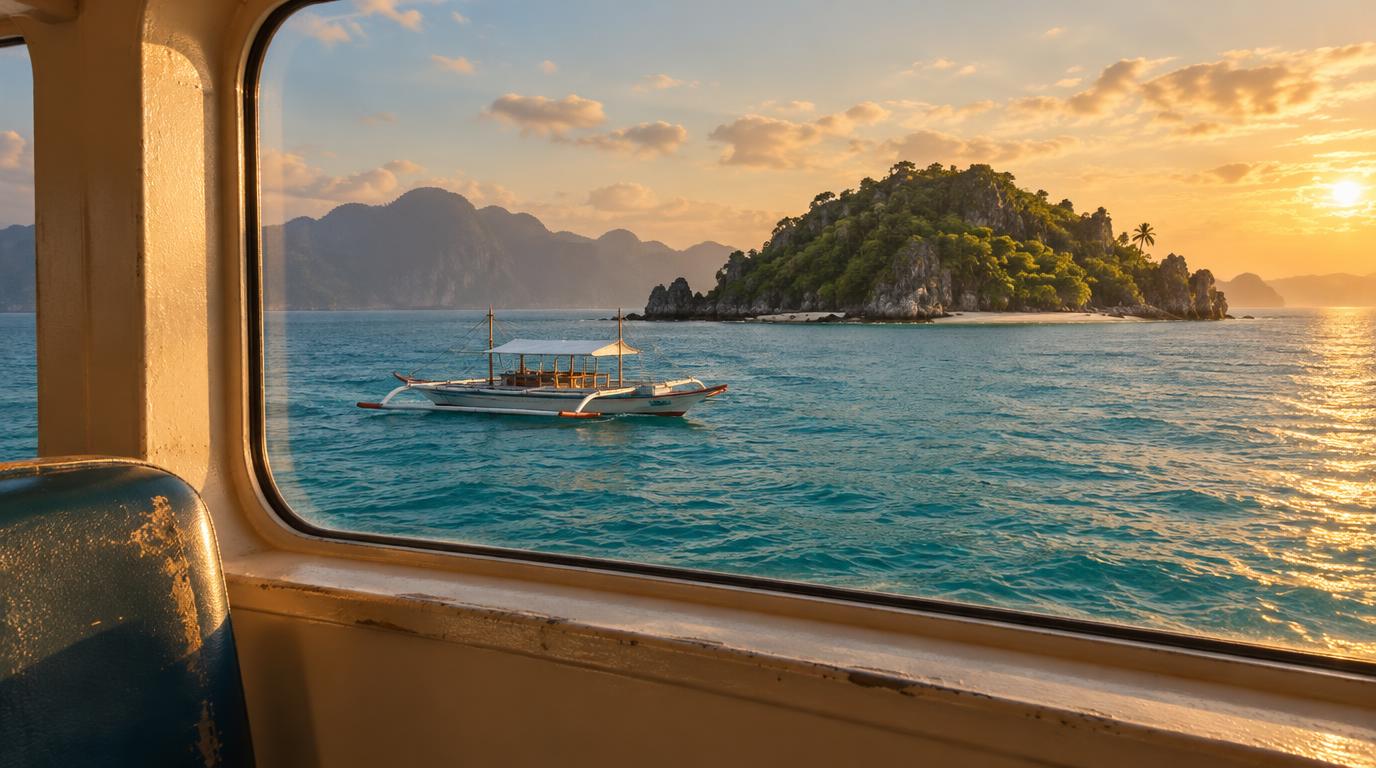
Cebu is a large city in the central Philippines with beaches, dive towns, and small islands within a few hours of its center. This guide covers monthly costs, internet speeds, visa rules, coworking prices, and the areas to live in. It also shows how to reach Moalboal, Bantayan, and Malapascua for island weekends. Prices are in Philippine pesos (₱), with dollar amounts at about ₱63.5 per US dollar, based on Numbeo data from October 2026.
How Fast Is the Internet in Cebu?
We could not find a speed figure for Cebu alone, so national numbers from Ookla are the best guide. In August 2026, the median fixed broadband speed in the Philippines was 114.34 Mbps, which ranked 62nd of 149 countries. The median mobile speed was 66.33 Mbps, which ranked 71st of 102.
- Fixed broadband: 114.34 Mbps nationally, enough for video calls and large file uploads on a good plan.
- Mobile data: 66.33 Mbps nationally, which can work as a backup connection.
- Home plan price: about ₱1,779 ($28) a month, according to Numbeo.
- Where it tends to be strongest: fiber plans are easier to find around IT Park and Cebu Business Park than in outer towns.
Island towns usually have slower and less steady connections than the city. Storms can also interrupt power and internet. A mobile hotspot and a power bank help on workdays, and our eSIM vs local SIM guide compares the backup options.
How Much Does It Cost to Live in Cebu?
According to Numbeo (updated 22 October 2026), a single person spends about ₱34,630 ($545) a month on living costs before rent. Rent comes on top of that amount. Other sources list higher and lower rents, so the numbers below are a starting point rather than a quote.
- One-bedroom apartment in the city center: ₱31,873 ($502) a month.
- One-bedroom apartment outside the center: ₱19,050 ($300) a month.
- Basic utilities for a 915 square foot (85 square meter) apartment: ₱7,579 ($119), with air conditioning raising the bill.
- Mobile plan: ₱990 ($16).
- Gym membership: ₱2,111 ($33).
- Cheap restaurant meal: ₱250 ($4).
- Cappuccino: ₱161 ($3).
Adding rent to the non-rent total gives a rough monthly budget for one person.
- Outside the center: ₱19,050 plus ₱34,630 is ₱53,680, or about $845.
- City center: ₱31,873 plus ₱34,630 is ₱66,503, or about $1,047.
- With a coworking desk at ₱6,500 ($102): about $948 outside the center and $1,150 in the center.
Many remote workers could land somewhere in this range. Eating at local restaurants instead of malls keeps the total lower, and air conditioning is the item most likely to push a bill up.

What Are the Visa and Entry Rules?
Many nationalities can enter the Philippines visa-free for up to 30 days. The Department of Foreign Affairs (DFA) lists this for Canadian tourists, and it refers other nationalities to its guidelines. Passports should be valid for six months beyond the planned stay.
- Extensions: apply at the Bureau of Immigration before the 30 days end. The official site, immigration.gov.ph, lists current fees.
- Fee range: one travel guide lists extensions at roughly ₱3,000 to ₱3,700 ($47 to $58) per step, depending on the length.
- Longer stays: an ACR I-Card may be needed after about 59 days.
- Onward ticket: airlines may ask for a ticket out of the country. A domestic flight does not count.
- eTravel: a free online form, usually filled in within 72 hours before arrival.
The Philippines signed Executive Order 86 in April 2025 to create a digital nomad visa. As of October 2026, the official DFA e-visa portal lists no such visa, and sources disagree on whether it is open. Please confirm the status with the DFA before planning around it. Our guide to digital nomad visa vs tourist visa explains which option fits which stay.
Does the Cebu Time Zone Work for Remote Jobs?
Cebu follows Philippine Standard Time, which is UTC+8. The country does not use daylight saving time, so the offset stays the same all year. Clients in Singapore, Hong Kong, and Perth share the same clock.
The list below shows what 9:00 to 12:00 in a client’s morning looks like on a Cebu clock.
- UK: 17:00 to 20:00 in winter, and 16:00 to 19:00 in summer.
- Central Europe: 16:00 to 19:00 in winter, and 15:00 to 18:00 in summer.
- US East Coast: 22:00 to 01:00 in winter, and 21:00 to 00:00 in summer.
- US West Coast: 01:00 to 04:00 in winter, and 00:00 to 03:00 in summer.
European and UK clients fit an evening shift. US clients mean working at night, so Cebu suits people with flexible hours or mostly asynchronous jobs. Our tips on managing client meetings across time zones can help with the rest.
Where Can You Cowork and Meet People?
Cebu IT Park in Lahug is a district full of call center and tech companies. Many coworking spaces sit near it or near Cebu Business Park. The nomad scene looks smaller than in Bali or Chiang Mai. Many people meet through coworking spaces and online groups.
- Monthly hot desk: roughly ₱5,000 to ₱6,500 ($79 to $102), according to a directory of Asian coworking spaces.
- Day pass: Regus lists day passes at around ₱1,090 ($17).
The directory is undated, so prices should be confirmed with each space. For a short stay, look at coworking spaces with day passes before paying for a full month.
Which Cebu Neighborhood Should You Live In?
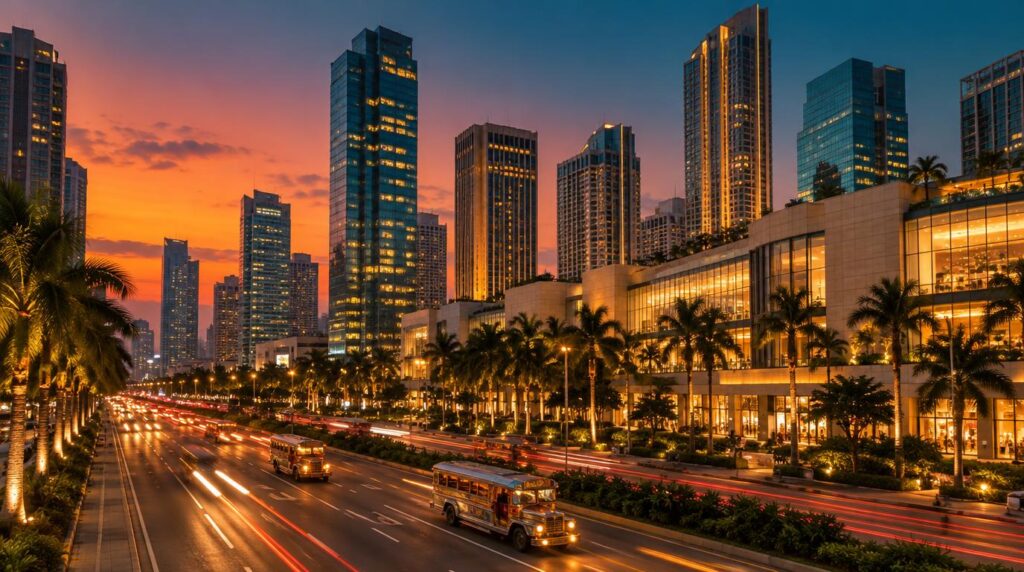
Traffic in Cebu City can be heavy, so living near your workplace or coworking space saves time. Buses on the MyBus city route cost about ₱25 to ₱50 a ride, which is under one dollar. Cebu has no metro, so most trips use buses, jeepneys, taxis, or ride-hailing apps.
- IT Park and Lahug: close to cafes, offices, and coworking spaces. Streets get busy at rush hour.
- Cebu Business Park: malls, hotels, and condos in a fairly walkable area. Rents here are usually higher.
- Banilad: a residential area close to both districts, with calmer streets.
- Mactan (Lapu-Lapu City): beaches, resorts, and the airport. Trips into Cebu City cross bridges and can be slow in traffic.
A short stay in an apartment hotel or serviced unit is a sensible first step. A longer lease can wait until you know which district suits your routine.
What Is Island Living Like Near Cebu?
Cebu province has many islands and coastal towns, and several are easy to reach. The travel times below are approximate and come from a local transport guide.
- Mactan Island: linked to Cebu City by bridges, so a taxi or ride-hailing trip usually takes under an hour, depending on traffic.
- Moalboal: about 3 hours by Ceres bus from the South Bus Terminal, for ₱180 to ₱200 ($3). The town is known for its reefs, the sardine shoals near the beach, and boat trips to Pescador Island.
- Bantayan Island: 4 to 5 hours by bus from the North Bus Terminal to Hagnaya Port, then about 1 hour by ferry to Santa Fe. The bus costs around ₱300 and the ferry ₱200 to ₱250.
- Malapascua: 5 to 6 hours by bus from the North Bus Terminal to Maya Port, then a boat of about 30 minutes. The last boats usually leave around 5:00 PM, so an early start helps.
A workable plan is to live in the city and visit the islands on weekends. Longer island stays are possible for people with light workloads and a backup connection. Our guide to finding reliable wifi speed before booking a stay explains how to test an island rental. Divers can also read our picks for scuba diving and adventure trips in Southeast Asia.

Is Cebu Safe for Remote Workers?
The US State Department lists the Philippines at Level 2, which means exercise increased caution because of crime, terrorism, and civil unrest. Most of the higher-risk areas are in other parts of the country, such as the Sulu Archipelago and most of Mindanao. Cebu has its own risks, listed below.
- Petty theft: phone snatching and bag theft happen in crowds, malls, and on public transport. Keeping phones and bags close in busy places lowers the risk.
- Earthquake: a magnitude 6.9 earthquake struck northern Cebu on 30 September 2025, according to the Philippine Institute of Volcanology and Seismology.
- Typhoons: Typhoon Kalmaegi brought deadly flooding to Cebu in November 2025.
- Landslide: a garbage landslide at the Binaliw landfill in Cebu City on 8 January 2026 led to a state of calamity.
Anyone staying long term should check current advisories and local news before booking. Insurance with medical cover is a sensible step, and our guide to health insurance for digital nomads compares plans. This article gives general information only, and personal medical or legal decisions belong with a qualified professional.
When Should You Go to Cebu?
The drier months run from about December to May, with March to May the hottest. Rain and typhoon risk rise from June to November.
- December to February: warm and mostly dry, which makes it a comfortable time for a first visit.
- March to May: the hottest months, so air conditioning matters for working at home.
- June to November: the rainy season, with a higher chance of storms and travel disruption.
The Sinulog festival takes place on the third Sunday of January. Hotel prices around that date may rise, and the city center gets crowded.
Is Cebu the Right Base for You?
Cebu suits remote workers who want a city base with beaches and islands nearby. The budget range of roughly $850 to $1,150 a month works for many solo workers. The 30-day visa-free entry also makes a trial month easy to arrange.
It may be a poor fit for people who need US daytime hours or fast internet in all locations. A walkable city with strong public transport is another thing Cebu does not offer. People who want a large nomad community may also prefer a bigger hub. Comparing Cebu with other digital nomad cities in Southeast Asia can help narrow the choice.
Plan Your Move to Cebu
Cebu offers a city base, moderate rent, and islands within a few hours. A budget near $850 to $1,150 a month could cover rent, food, and a coworking desk. The 30-day visa-free entry also lets you test the city before committing to a longer stay. If Cebu fits your plans, search flights to Cebu on FlyBibe and pick dates for your first month, with an island weekend already in mind.