

Bali and Chiang Mai are the two longest-running digital nomad hubs in Southeast Asia, and both still deliver on the basics: fast enough wifi, low cost of living, and an established remote work community. The real choice comes down to visa runway, budget, and which client time zones you’re working against. Here’s how they actually compare, criterion by criterion.
Internet
- Chiang Mai: 95.6 Mbps download and 75.2 Mbps upload on average for fixed broadband, based on 12 months of Speedtest data through mid-2026.
- Bali: roughly 48 Mbps download and 26 Mbps upload for standard wifi, based on Denpasar-area data, though newer villas and coworking spaces with fiber connections hit 100-300 Mbps.
Chiang Mai’s citywide average is genuinely faster and more consistent, since the infrastructure is denser and more mature. Bali’s numbers pull down the average because outer areas like Ubud’s rice-field fringes still run on older lines, but a fiber-equipped rental or a paid coworking desk closes most of that gap.
Cost of living
- Chiang Mai: a one-bedroom apartment runs $289-490 a month depending on location, with a realistic all-in monthly budget of roughly $900-1,300 for a single nomad covering rent, food, and local transport.
- Bali: a private apartment or simple villa runs $500-1,000 a month, with a mid-range all-in budget of $1,200-1,800, or $900-1,200 on a tighter budget in a guesthouse outside Canggu.
Chiang Mai is the cheaper base by a meaningful margin, especially on rent, and that gap holds even when you upgrade to nicer housing. Bali’s cost climbs fastest in Canggu specifically. Ubud and Sanur run closer to Chiang Mai’s range for similar quality.

Visa and entry
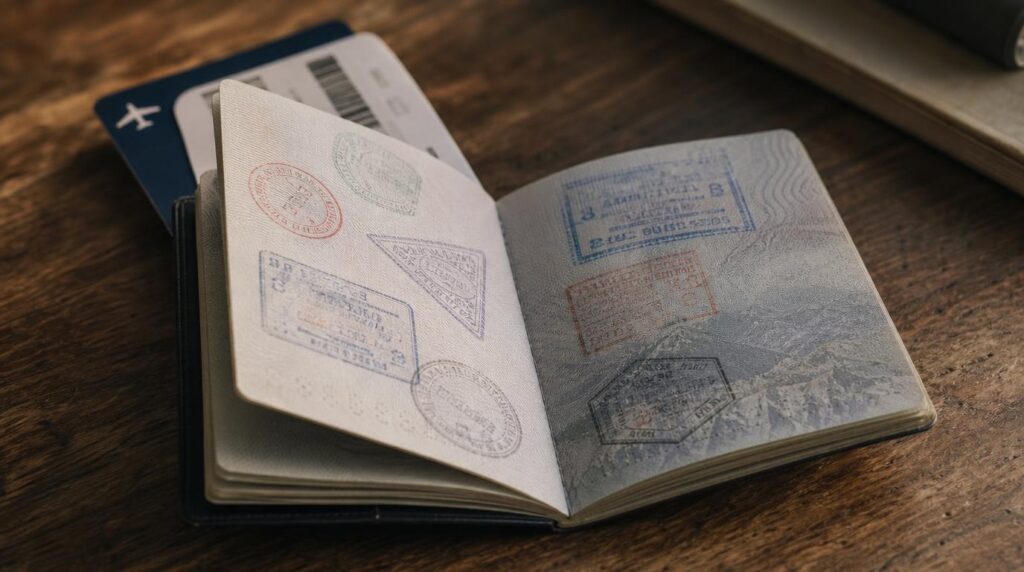
- Chiang Mai (Thailand): the standard visa-free stay for most passports, including the US, UK, Canada, and Australia, drops from 60 to 30 days starting September 15, 2026, with one 30-day extension available at immigration. For longer stays, the Destination Thailand Visa (DTV) grants five years of multiple entry, each stay up to 180 days and extendable to 360, for a fee of roughly 8,500-38,700 THB depending on where you apply. It requires proof of at least 500,000 THB (about $14,500) held for three months plus a foreign employment contract or freelance portfolio.
- Bali (Indonesia): the Visa on Arrival costs about $30, lasts 30 days, and can be extended once for another 30 days, a 60-day maximum before you have to leave. For a genuine long stay, Indonesia’s remote worker visa (E33G, part of the Second Home Visa framework) costs $150-300 and is valid up to a year, but it requires proof of roughly $60,000 in annual foreign-sourced income, a bar well above what many nomads earn.
This is the sharpest difference between the two right now. Thailand’s short-stay rule just got tighter, but its long-stay DTV is genuinely accessible to a typical freelancer or remote employee. Bali’s long-stay option exists but effectively locks out anyone earning under six figures, leaving most nomads cycling 60-day visa runs instead.
Timezone fit
- Chiang Mai: UTC+7.
- Bali: UTC+8.
Neither city offers real-time overlap with US Eastern or Pacific work hours. Both sit 11 to 16 hours off, which means fully asynchronous work no matter which one you choose. Against UK and Central European hours, Chiang Mai’s one-hour edge gives it a slightly wider morning overlap window, useful if you’re on calls with European colleagues or clients.
Coworking and community
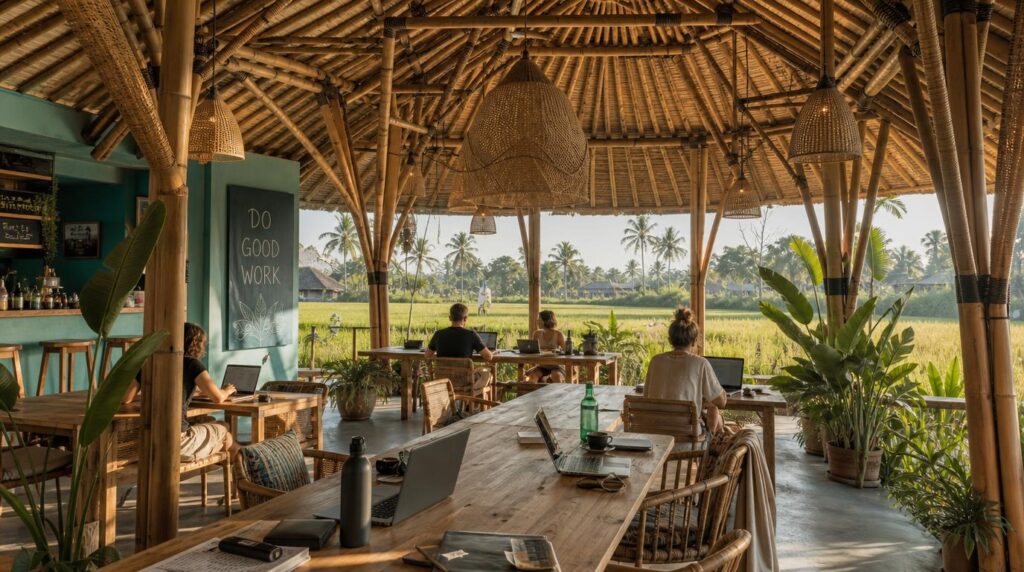
- Chiang Mai: Punspace runs two long-standing locations in the Old City, Alt_ChiangMai in the West Gate area charges around 320 THB for a day pass and 4,000 THB (about $115) monthly, and Yellow Coworking anchors the Nimman neighborhood where most of the nomad cafes and community events cluster.
- Bali: Tropical Nomad in Canggu runs day passes from IDR 260,000 (about $16) with monthly memberships from IDR 1.5 million (about $95), Outpost has two locations in Ubud with monthly rates from IDR 2.46 million, and Biliq Bali in Seminyak centers its space around a dipping pool.
Both have deep, established nomad scenes with regular meetups, though Bali’s spread across more distinct neighborhoods (Canggu, Ubud, Seminyak) means the vibe shifts a lot depending on where you land, while Chiang Mai’s community is more concentrated around Nimman and the Old City.
Safety
- Chiang Mai: generally a low-crime, safe city. The real issue is burning season, running November through April and worst from February to April, when agricultural burning pushes PM2.5 levels to four to five times WHO guidelines and the city has ranked among the world’s most polluted for stretches at a time.
- Bali: generally very safe, but with specific risks: motorbike accidents from reckless or intoxicated driving, theft from bike storage compartments, drink spiking in nightlife areas like Canggu and Seminyak, and ATM skimming or overcharging scams targeting tourists.
Chiang Mai’s safety concern is seasonal and environmental, something you can plan around or leave town for. Bali’s risks are more about daily vigilance around traffic and nightlife, present year-round rather than confined to a few months.
Best time to go
- Chiang Mai: the cool season from November through February brings the clearest air and most comfortable weather. Avoid February through April if you’re sensitive to smoke or air quality.
- Bali: the dry season runs roughly April through September, with lower humidity and less rain. Wet season from November through March still works for anyone based near solid coworking spaces, since the rain tends to fall in short, heavy afternoon bursts.
Verdict by traveler type
- On US client hours: timezone won’t decide this for you since both cities are fully async against American work hours, so let cost and visa access break the tie. Chiang Mai’s lower rent and more accessible long-stay visa make it the easier default.
- On UK or European client hours: Chiang Mai’s UTC+7 gives you a real, if narrow, morning overlap window that Bali’s UTC+8 doesn’t quite match.
- Established remote income, drawn to beach and wellness culture: if your earnings clear the threshold for Indonesia’s remote worker visa, Bali’s surf, yoga, and coworking scene in Canggu or Ubud is hard to replicate elsewhere in the region, and the higher cost of living reflects a genuinely different lifestyle.
Find your next base
Chiang Mai wins on cost and visa accessibility right now, especially with Thailand’s DTV opening a real five-year runway. Bali wins on lifestyle and scenery if your income clears the bar for a long-stay visa. Whichever fits your work and budget, search flights on FlyBibe and get your next stretch of remote work booked.