

Abu Dhabi offers fast internet, no personal income tax, and a one-year remote work visa. The city costs more than most nomad bases, and conflict in the region during 2026 changed travel advice for the UAE. This guide covers wifi, costs, visas, time zones, coworking, safety, and weather. Visa details were checked on October 9, 2026.
How Fast Is the Internet in Abu Dhabi?
Abu Dhabi has some of the fastest internet in the world, so video calls and large uploads should run well in most places.
- City broadband: Ookla measured an average of 319.63 Mbps download and 179.62 Mbps upload in Abu Dhabi in December 2024. The result was one of the highest for any city worldwide.
- Country broadband: The Speedtest Global Index for December 2025 shows the UAE at 382.35 Mbps for fixed broadband, second behind Singapore.
- Mobile data: The same index puts the UAE first for mobile speed, at 691.76 Mbps.
Reports use different measures, such as average and median, so numbers vary by source. All of them place the UAE near the top. Mobile data can serve as a backup if a home line fails. A short test before booking also helps, and this guide to finding reliable wifi speed explains how.

How Much Does It Cost to Live in Abu Dhabi?
Abu Dhabi costs more than most nomad cities and less than Dubai. Sources give different numbers, so the figures below are ranges.
- Total monthly budget: About $2,700 for a mid-tier month, according to Nomada (updated May 2026). The figure covers rent, groceries, dining, transport, utilities, and a coworking pass. Another cost index lists $3,538 for a nomad budget. One cost-of-living site puts a tight budget, with shared housing and home cooking, at about $1,680.
- One-bedroom rent: About $2,100 a month in the city center and $1,050 outside it, according to World Cost of Living. Wise lists £1,476 and £988 for the same two areas.
- Groceries: About $600 to $800 a month for one person who eats at home.
- Transport and utilities: Wise lists £0.50 for a single ticket and £19 for a monthly pass. Utilities for an 85 square meter apartment run about £118.
According to UAE Expert Hub, rent is usually quoted per year and paid in one to four cheques. Fewer cheques give a lower price. Short stays may need different terms, so monthly options are worth confirming with a landlord. The government also froze rent increases at 0% from June 2026, which helps people who renew a lease. Nomada lists Dubai at $3,130 for the same mid-tier month, so Abu Dhabi runs about $430 lower.
What Visa Does a Remote Worker Need for Abu Dhabi?
Tourist entry
Citizens of many countries can enter the UAE without arranging a visa first. They receive a visa on arrival for 30 or 90 days, depending on the passport. The official u.ae site lists the countries in each group. Reports differ on whether US and UK passports get 30 or 90 days, so the list is worth checking before booking. Passports must be valid for at least six months from the entry date.
Passport holders from many African countries, including Nigeria, usually need to arrange a visa before travel. A tourist stay does not allow work. The guide on digital nomad visa vs tourist visa explains when each option fits.
UAE remote work visa
The UAE offers a one-year remote work visa, also called the Virtual Working Programme. Holders live in the UAE while working for an employer or clients outside the country. Applications for Abu Dhabi go through the federal ICP portal. Dubai runs its own version, explained in the UAE virtual working programme guide.
- Length: One year, renewable when the holder applies again, according to the official u.ae site.
- Income: USD 3,500 a month for the remote work visa. The Dubai programme lists USD 5,000 for employees. Some sources quote other figures, so the ICP portal is the place to confirm the number. The guide to digital nomad visa income requirements shows how this compares with other countries.
- Proof of work: Proof that you work remotely for an organization outside the UAE, plus a passport valid for at least six months.
- Bank statements: Six months, according to one law firm guide that says the rule changed on January 27, 2026. The u.ae page still lists three months for the Dubai programme, so preparing six months of records is the safer plan.
- Health insurance: Cover valid in the UAE is required. A list of health insurance plans for digital nomads is a starting point.
- Fees: Sources differ. The u.ae site cites USD 287 per person for the Dubai programme. One law firm guide lists an ICP base fee of AED 300 plus about AED 250 for the residence permit. A medical test, an Emirates ID, and insurance cost extra.
- Steps: Applicants for Abu Dhabi first receive a 60-day entry permit, according to one immigration firm. The medical test and Emirates ID follow after arrival.
- Limits: Work for clients or employers inside the UAE is not allowed. One law firm guide says the visa becomes invalid after six months in a row outside the UAE. Spouses and children can be sponsored.
The visa suits people with steady foreign income and several months of records. New freelancers may need to wait until they have that history. The UAE charges no personal income tax, yet a home country may still tax its citizens. US citizens, for example, owe tax on worldwide income, and readers can see how US citizens file taxes while working abroad. UK residents can read about UK tax rules for digital nomads. Rules change often, so the u.ae and ICP sites are the final check before applying.

What Is the Time Zone Fit for Abu Dhabi?
Abu Dhabi uses UTC+4 all year and does not change its clocks. The offsets below shift with daylight saving time in other places.
- US Eastern: 9 hours ahead in winter, 8 in summer.
- US Pacific: 12 hours ahead in winter, 11 in summer.
- UK: 4 hours ahead in winter, 3 in summer.
- Central Europe: 3 hours ahead in winter, 2 in summer.
Europe and the UK line up well. A 9am start in London is 1pm in Abu Dhabi in winter, so the shared hours cover most of the afternoon. US East Coast calls usually fall in the late afternoon or evening, since 4pm in Abu Dhabi is 7am in New York in winter. West Coast calls land in the evening and late at night, as 8pm in Abu Dhabi is 8am in Los Angeles in winter. The guide on how to manage client meetings across time zones can help with the schedule.
Coworking Spaces and Community in Abu Dhabi
Abu Dhabi has a smaller coworking scene than Dubai. Research did not turn up a dedicated nomad community hub.
- WeWork at Hub71: Located at Al Khatem Tower in ADGM Square on Al Maryah Island. WeWork lists day passes, desks, and private offices there, with prices on request.
- Regus: Eight locations in Abu Dhabi, with plans from AED 509 per person per month (about $139), according to an ADSME Hub listing.
- Letswork: A network of partner venues, including hotel lobbies on Yas Island, Saadiyat Island, and the Corniche. Day passes cost about AED 35 to 80 ($10 to $22).
- Witwork: Day passes listed from AED 25 to AED 40 ($7 to $11), depending on the venue.
- Hub71: A startup hub that accepts members in cohorts, so it works as a program rather than a drop-in desk.
World Cost of Living puts a typical monthly membership near $378. The scene centers on Hub71 and the ADGM business district. Nomads who want a large social crowd may prefer Dubai, covered in the Dubai digital nomad guide. To compare passes across cities, see coworking space memberships for frequent travelers.

Is Abu Dhabi Safe for Remote Workers?
Everyday crime is very low. Regional conflict in 2026 has changed official travel advice, so both topics matter.
Everyday safety
- Crime index: Numbeo’s 2026 index ranked Abu Dhabi first among 400 cities for safety. The city scored 88.9 for safety and 11.1 for crime, the tenth year in a row at the top. Numbeo scores come from resident surveys, so they reflect perceived safety.
- Common risks: Petty theft and burglary do occur, often in summer when many families travel home. Road safety is a concern, and drink driving carries severe penalties.
- Local laws: Penalties for breaking UAE laws are severe, so newcomers should learn local rules and customs before arriving.
- Solo travelers: Walking at night and taking taxis alone are considered safe. Women are not seen as targets, although modest dress is advised.
For a wider look at low-risk bases, see the list of safest digital nomad cities for solo remote workers.
Regional conflict in 2026
- UK advice: The UK FCDO page, still current on October 9, 2026, calls the regional situation unpredictable. The page reports strikes and retaliatory attacks by Iran across the region since July 8, after a US and Iran agreement on June 17. The FCDO does not advise against all travel to the UAE, but warns of flight cancellations and airspace closures.
- US and Canada advice: The US State Department lists the UAE at Level 3, Reconsider Travel, since March 2, 2026. Canada advises against non-essential travel, according to Wego in September 2026.
- Flights: Wego reported that Zayed International Airport in Abu Dhabi was running scheduled flights in early September. Some foreign airlines have paused UAE routes, so airline notices are worth checking.
Official advice varies by country, and it may change quickly. Readers can sign up for FCDO alerts or the alerts from their own embassy. Flexible tickets and an insurance policy that explains how it treats conflict-related disruption are worth checking before any booking.

When Should You Go to Abu Dhabi?
Abu Dhabi is hot for much of the year. Cooler months make daily life easier.
- November to March: The most comfortable weather for time outdoors, according to Lonely Planet. Winter highs run about 20 to 28°C, according to a hotel guide.
- March, April, and October: Mild weather and usually lower prices than peak winter.
- June to August: Temperatures of about 38 to 45°C. August is the hottest month, often near 43°C.
A first stay between November and March offers the mildest weather. Summer can still work for people who work indoors, since residents spend those months inside, according to Lonely Planet.
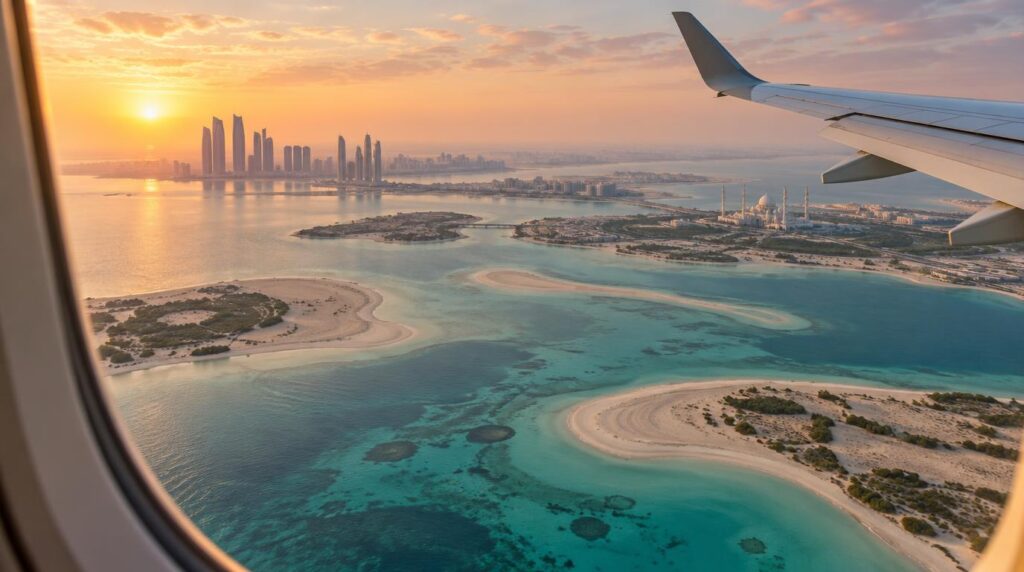
Who Should Choose Abu Dhabi, and Who Should Skip It
Abu Dhabi rewards people with steady foreign income and a plan. The city frustrates people who need low costs or a big social scene.
Abu Dhabi may suit:
- Employees with steady foreign income above the visa threshold.
- People who want very fast internet and low everyday crime.
- Workers with clients in Europe or the UK.
- Remote workers who plan to sponsor a spouse or children on the visa.
Abu Dhabi may not suit:
- Budget travelers, since a mid-tier month costs about $2,700.
- New freelancers without six months of income records.
- People with clients inside the UAE, because the visa does not allow that work.
- Nomads who want a large social scene.
- Anyone who needs fixed travel plans, since regional advice may change.
Ready to Plan Your Move to Abu Dhabi?
Abu Dhabi offers very fast internet, low everyday crime, and a clear one-year visa route. The city also costs more than many nomad bases, and regional travel advice is still changing. If the numbers fit your plans, search flights to Abu Dhabi on FlyBibe and compare routes and dates. Flexible fares can help while the situation stays uncertain, and the visa and safety rules in this guide are worth rechecking before you book.