

London can suit remote workers who want fast internet, a large coworking market and rail links to the rest of Europe. Rent is the main cost, and it is well above the UK average. This guide covers monthly costs, wifi, entry rules, time zones, coworking, safety, six areas to live in and the best time to go.
How Much Does It Cost to Live in London?
Rent sets the size of a London budget. Numbeo’s one-person estimates for costs other than rent add up to £1,141 a month, as of 1 June 2026.
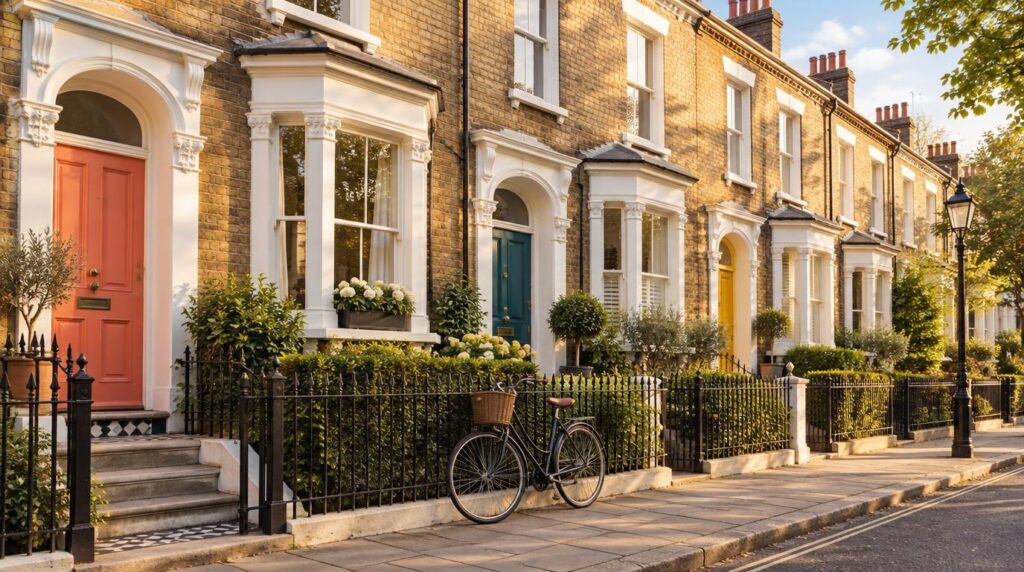
Rent
The Office for National Statistics (ONS) publishes monthly rent data for the UK. The figures below are for September 2026 unless a different date is given.
- London average rent: £2,338 a month, compared with £1,406 for the UK as a whole. London is £932 higher, or about 66% above the UK average.
- Rent growth: London rents rose 3.5% in the 12 months to September 2026. The South East matched that rate, and the two were the lowest among English regions.
- Borough one-bedroom range: ONS averages for August 2026 run from £1,217 in Havering to £2,640 in Kensington and Chelsea, as shown by the rent site PayPrecise.
- City-centre one-bedroom: Numbeo estimated £2,244 a month on 1 June 2026, as reported by Expatica. Another 2026 report puts the same Numbeo measure at £2,182.
- Deposit example: One Zoopla listing for a furnished one-bedroom short let at £1,950 a month asked for a £450 holding deposit. The listing also asked for a five-week security deposit of £2,250, with bills and council tax extra.
ONS averages include existing tenancies, so a new lease may cost more than the figures above. The sources reviewed did not give a London-wide average for furnished short lets, which suit shorter stays. Landlords and letting agents in England must also check a tenant’s immigration status before a letting, according to Estate Agent Today.
Other monthly costs
Numbeo and Transport for London (TfL) give the following figures for one person.
- Groceries and eating out: £242 and £213 a month, according to Numbeo on 1 June 2026.
- Utilities, leisure and other costs: £231, £77 and £176 a month, according to Numbeo.
- Transport estimate: Numbeo lists £202 a month for transport.
- Tube and rail fares: TfL fares from March 2026 cap daily spending in Zones 1 and 2 at £8.90 and weekly spending at £44.70. A monthly Zones 1 to 2 Travelcard costs £171.70.
- Buses: From 1 November 2026, a single bus fare is £1.85 and the daily bus cap is £5.55.
Example monthly budgets
The examples below add Numbeo’s £1,141 for other costs to two rent levels. The £1,400 rent is the ONS average for a one-bedroom in Waltham Forest, and £2,244 is the Numbeo city-centre estimate.
- Outer-borough flat: £1,400 plus £1,141 comes to £2,541 a month.
- City-centre flat: £2,244 plus £1,141 comes to £3,385 a month.
- With a hot desk: adding £300 to £450 a month for a hot desk, an example range based on the listings in the coworking section, gives £2,841 to £3,835.
A single remote worker could therefore expect to spend roughly £2,500 to £3,400 a month before coworking. Some costs may overlap, since a nomad who works from a coworking space may spend less on home utilities and cafe meals.
How Fast Is the Internet in London?
The UK has fast broadband, although the testing firms report different numbers because they measure in different ways.
- Ookla: the median fixed download speed in England was 181.59 Mbps in May 2026, as reported by ISPreview. Upload was 56.57 Mbps, and latency was 12 ms.
- SpeedOf.Me: the UK median download speed was 82.8 Mbps in the first half of 2026. The UK ranked 14th of 119 countries, and the global median was 33.9 Mbps.
- Ofcom: full fibre reached 82% of UK homes and gigabit-capable networks reached 89% as of January 2026, according to the Connected Nations update for Spring 2026.
Both testers place typical UK speeds above the global median. Ookla’s global fixed median was 125.47 Mbps in May 2026, according to Statista. The sources reviewed did not give a London-only figure, and speeds can differ from one building to the next. A nomad can test a listing in advance with this guide to finding reliable wifi speed before booking.
Readers who compare wifi across the continent can see which European cities have fast wifi. A traveller who needs mobile data on arrival can compare an eSIM, local SIM or hotspot.

Visa and Entry Rules for Remote Workers
The information in this section was checked on 2 November 2026. Most remote workers arrive as visitors, and the UK allows visitor stays of up to six months with narrow rules on work.
- Which permission applies: according to GOV.UK, a visitor needs a Standard Visitor visa, an electronic travel authorisation (ETA) or neither, depending on nationality. British and Irish citizens, including dual citizens, do not need an ETA. The GOV.UK tool to check if you need a UK visa shows which route applies.
- ETA: the fee is £20, and the ETA lasts two years or until the passport expires, whichever is sooner. Each visit can last up to six months. A decision usually arrives within a day and can take up to three working days.
- Standard Visitor visa: the fee is £135 for stays of up to six months. Applications open up to three months before travel.
- Work rules: GOV.UK says a visitor cannot do paid or unpaid work for a UK company or as a self-employed person, with limited exceptions for certain paid engagements. Immigration law firms such as Davidson Morris report that Home Office guidance allows limited remote work for an overseas employer. The work cannot be the main reason for the trip, and the pay must come from outside the UK.
- Repeat visits: GOV.UK says visitors cannot live in the UK for long periods through frequent or successive visits.
The rules on remote work for an overseas employer are less direct than the rules on UK work. Freelancers with their own business, and anyone planning a long stay, may want the advice of an immigration adviser before travel.
The UK is outside the Schengen area, so days in London do not count toward the Schengen 90/180 day rule.
Longer stays
The Youth Mobility Scheme lets people live and work in the UK for up to two years. Applicants must be aged 18 to 30, or 18 to 35 for some countries. The application fee is £340, and the healthcare surcharge is usually £776 a year, according to an archived GOV.UK page dated 6 August 2026. Only certain countries qualify, and some applicants must win a ballot first.
Tax residence
HMRC decides UK tax residence with the Statutory Residence Test. Spending 183 days or more in the UK in a tax year is one of the automatic tests for UK residence, according to the Low Incomes Tax Reform Group’s summary of HMRC guidance. A stay of up to six months can approach that line, and other tests also apply. The post on UK tax rules for digital nomads explains how the test works.
Time Zone Fit
London is on Greenwich Mean Time (GMT) from 25 October 2026 until the clocks move forward on 28 March 2027. The figures below compare a 9:00 to 17:00 workday in each city on 3 November 2026.
- US Eastern: New York is 5 hours behind London. The two workdays overlap for 3 hours, from 14:00 to 17:00 London time.
- US Pacific: Los Angeles is 8 hours behind London. Standard workdays do not overlap, because 9:00 in Los Angeles is 17:00 in London.
- Central Europe: Berlin and other Central European cities are 1 hour ahead of London. The workdays overlap for 7 hours, from 9:00 to 16:00 London time.
US and UK clocks change on different dates, so the difference with New York falls to 4 hours for a few weeks each spring and autumn. A London-based worker with Pacific clients would need to work into the evening. The guide to managing client meetings across time zones covers scheduling in more detail.
Coworking and Community
One Coworking describes London as the UK’s deepest coworking market. Prices vary a great deal by district.
- Day passes: One Coworking lists prices from £16 a day in May 2026. The median is £45, and premium West End and Mayfair spaces reach £125.
- Monthly desks: One Coworking lists hot desks and fixed desks at £179 to £700 a month. Most East London hot desks on ZipCube cost £200 to £450 a month.
- Named operators: sources list Fora, Uncommon, Huckletree and SPACES. Culture Trip lists Fora open desks from £375 a month and an Uncommon hot desk in Borough from £299.
- Districts: One Coworking names Shoreditch, King’s Cross, Holborn, Aldgate, London Bridge and Liverpool Street as well-connected districts.
Most operators serve start-ups and teams, and the sources reviewed did not confirm a nomad-specific meetup group in London. A day pass may suit a stay of a week or two, and a monthly hot desk may suit a month or more. Readers can compare coworking spaces that offer day passes before choosing.

Is London Safe for Remote Workers?
London is generally safe for visitors, and petty theft is the main concern. The Government of Canada’s travel advice says pickpocketing and purse snatching are common, and cellphone theft is common in certain tourist areas.
- Phone theft trend: the Metropolitan Police says phone theft and robbery offences fell from 81,439 in 2024 to 71,867 in 2025, as reported by ITV News. From January to August 2026 there were 39,793 offences, down from 49,136 a year earlier.
- How it happens: the Metropolitan Police says offenders often use illegally modified e-bikes to snatch phones and get away.
- Emergencies: the number for police, fire and ambulance services is 999.
- Health care: NHS trust guidance says GP surgery treatment is free for all, and emergency department treatment is free until a visitor is admitted as an inpatient. Other hospital care may be charged to overseas visitors, so a policy such as travel insurance with remote work coverage may be worth comparing.
Crime levels differ by borough and by street. A nomad who plans to sign a lease can look at the specific area before choosing a home.
Best Areas to Live in London
The rents below are ONS averages for the whole borough in August 2026, as shown by PayPrecise. A single neighbourhood may cost more or less than its borough average.
Shoreditch and Hackney
- One-bedroom rent: £2,001 in Hackney.
- Work scene: One Coworking lists Shoreditch among London’s well-connected coworking districts, and East London hot desks often cost £200 to £450 a month.
- Best for: workers who want a coworking space within walking distance of home.
King’s Cross, Islington and Camden
- One-bedroom rent: £2,178 in Islington and £2,054 in Camden.
- Work scene: King’s Cross is one of the coworking districts named by One Coworking.
- Best for: nomads who plan to travel often, since Eurostar trains leave from St Pancras next to King’s Cross.
Brixton and Lambeth
- One-bedroom rent: £1,882 in Lambeth.
- Work scene: the Victoria line connects Brixton with central London, so a coworking day in a central district is possible without a long commute.
- Best for: workers who want a lower rent than Islington or Hackney with a direct Tube line.
Peckham, Southwark and London Bridge
- One-bedroom rent: £1,876 in Southwark.
- Work scene: London Bridge is a named coworking district, and Culture Trip lists an Uncommon hot desk in Borough from £299 a month.
- Best for: nomads who want coworking close to central rail stations.
Walthamstow
- One-bedroom rent: £1,400 in Waltham Forest, the lowest of the six areas.
- Work scene: the Victoria line runs from Walthamstow to central London.
- Best for: workers who work mostly from home and need a central coworking space only on some days.
Lewisham and Greenwich
- One-bedroom rent: £1,457 in Lewisham and £1,563 in Greenwich.
- Work scene: both boroughs lie south-east of the centre, so a coworking trip usually means a train or Docklands Light Railway journey.
- Best for: workers who prefer a quieter base and a mid-range rent.
The six boroughs span £1,400 to £2,178 for a one-bedroom, a difference of £778 a month. Some outer areas lie in Zone 3 or beyond. The Zones 1 to 3 weekly cap is £52.50. The extra cost is £7.80 a week compared with the Zones 1 to 2 cap of £44.70, or about £34 a month.

Best Time to Visit London
London has a mild climate with rain spread through the year. The figures below are Met Office averages for Kew Gardens from 1991 to 2020.
- Summer: mean daily highs reach 21.4°C in June, 23.8°C in July and 23.4°C in August. Sunshine ranges from about 206 to 222 hours a month.
- Winter: January has a mean daily high of 8.6°C and a low of 2.0°C. Sunshine is 60.2 hours in January and 52.7 hours in December.
- Rain: the year brings 627.5 mm of rain over about 114 days with at least 1 mm. October is the wettest month at 67.9 mm, and March is the driest at 39.0 mm.
- Heat: London recorded 40.2°C on 19 July 2022, at both Heathrow and St James’s Park.
The months from May to September combine the longest sunshine hours with mild highs, so they may suit a first stay. Winter has far less sunshine, which can matter for people who like to spend downtime outdoors. British Summer Time runs from 28 March to 31 October 2027.
Who Should Choose London, and Who Should Skip It
London suits some remote workers well and others poorly.
Good fit:
- Nomads on UK or European hours, who get 7 hours of overlap with Central Europe.
- Workers who value coworking choice and fast home internet, and who can budget at least £2,500 a month before coworking.
- Travellers who plan to move on by rail, with Eurostar trains to Europe from St Pancras.
Better to skip:
- Travellers on tight budgets, since London rents are about 66% above the UK average. The Lisbon guide gives cost and neighbourhood detail for another European base.
- Workers with Pacific time clients, because standard workdays do not overlap.
- Freelancers planning a long stay without work permission, since visitor rules limit stays to six months and limit work.
Readers who are still deciding between cities can use this guide on how to balance cost, safety, and internet when choosing a destination. Visa and tax details here are general information, and an adviser or the official GOV.UK pages can confirm what applies in a specific case.
Planning a Stay in London
London offers fast broadband, a deep coworking market and 7 hours of overlap with Central Europe, at a cost that depends mostly on rent. A stay of a few weeks can show whether the city fits a work routine before a longer commitment. A short stay also lets a nomad test an area, a commute and a coworking desk against a real budget. Search flights to London on FlyBibe to compare routes and dates for the trip.