
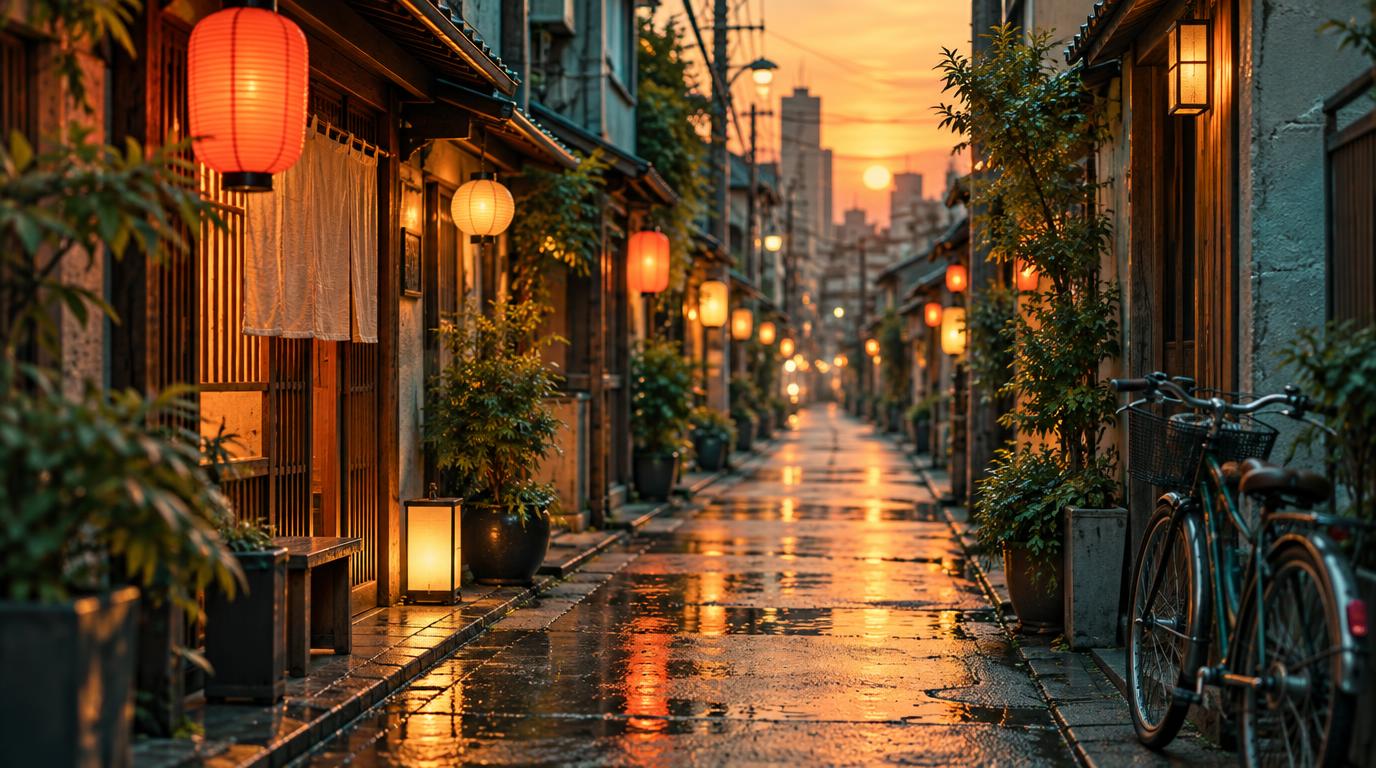
Tokyo pairs fast internet and low crime with a clear visa route for higher earners. This guide covers wifi, monthly costs, visa rules, timezone fit, coworking prices, safety, and the best season to arrive. Prices come from sources dated 2026, and dollar amounts use a rate of about ¥157 per US dollar.
How Fast Is the Wifi in Tokyo?
Japan scores well on speed tests. The sources used here report national figures, because they do not publish a separate number for Tokyo.
- Fixed broadband: about 255 Mbps median download, according to the Speedtest Global Index for March 2026.
- Mobile: about 70 Mbps median download, from the same March 2026 index.
- Home internet plan: about ¥4,800 a month for unlimited data at 60 Mbps or faster, according to Numbeo.
- Mobile plan: about ¥3,600 a month with calls and 10 GB or more of data, according to Numbeo.
These speeds are enough for video calls and large file uploads. For mobile data on a short stay, a comparison of eSIM, local SIM, or portable hotspot options can help with the choice.
What Does Cost of Living in Tokyo Look Like?
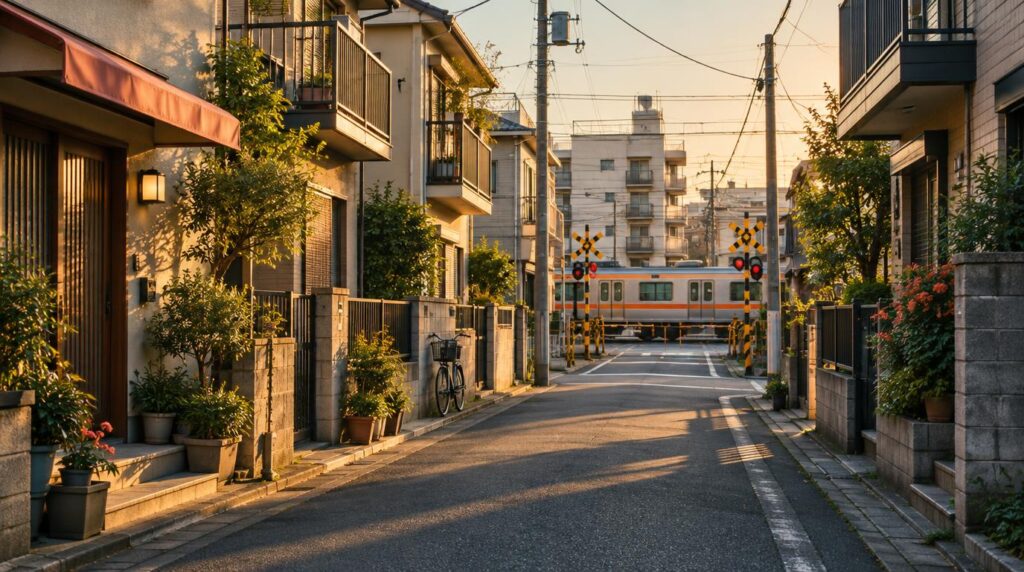
Numbeo builds its Tokyo prices from user submissions, so the October 2026 figures below are best read as estimates.
- One-bedroom outside the center: about ¥109,000 a month (US$700), with a range of ¥75,000 to ¥200,000.
- One-bedroom in the center: about ¥202,000 a month (US$1,290), with a range of ¥130,000 to ¥295,000.
- Furnished monthly apartment: ¥100,000 to ¥250,000 for most units, according to the rental company X-House. Central Tokyo or larger units run ¥220,000 to ¥300,000 or more.
- Utilities: about ¥23,400 a month for electricity, heating, cooling, water, and garbage.
- Other costs for one person: about ¥140,000 a month (US$890), excluding rent, according to Numbeo.
- Everyday prices: an inexpensive restaurant meal costs about ¥1,200, a cappuccino about ¥560, and a gym membership about ¥9,100.
Adding rent to the one-person estimate gives about ¥249,000 a month (US$1,590) outside the center. In the center, the same math gives about ¥342,000 (US$2,180). A hot desk in a coworking space could add ¥15,000 to ¥35,000.
A standard lease asks for about 4.5 to 5 months of rent upfront, according to E-Housing. Furnished monthly units suit stays under a year better, and X-House says they need no Japanese guarantor.
Freelancers who want a quieter base often look west of the main hubs. E-Housing compares Nakano, Koenji, Kichijoji, and Shimokitazawa, and Nakano ranked 18th in SUUMO’s 2026 list of places people want to live.
Which Visa Options Work for Remote Workers in Tokyo?
Remote workers have two main routes. One is visa-free entry as a visitor, and the other is the dedicated digital nomad status.
- Visa-free entry: citizens of many countries receive 90 days on arrival. Sources describe remote work on this status as a gray area, so a check with the Immigration Services Agency is wise. The digital nomad visa vs tourist visa comparison covers the trade-offs.
- Digital nomad status: Japan launched it on 31 March 2024 under the “Designated Activities” category. The stay in Japan under this status cannot exceed six months within a year, according to the Ministry of Justice.
- Income: at least ¥10 million a year at the time of application, which is about US$64,000.
- Insurance: private medical insurance that pays at least ¥10 million for injury and illness. Our list of health insurance plans for digital nomads is a starting point.
- Eligible passports: citizens of countries with visa-free entry to Japan and a tax convention with Japan. E-Housing lists China and India among the countries without access.
- Allowed work: remote work for an employer abroad, or selling services to clients abroad. Employment with a Japanese organization is not permitted.
- Residence card: the Ministry of Justice says this status does not come with one.
Our Japan digital nomad visa guide covers documents and steps. Processing times can vary, so the Immigration Services Agency or a Japanese embassy has the latest answer.
Japan also plans an online travel authorization called JESTA by fiscal year 2028, which runs from April 2028 to March 2029. The system is not in place yet, and it would apply to travelers who enter without a visa today.
The ¥10 million income test puts the visa out of reach for many freelancers. Those below it can still visit visa-free for up to 90 days.
How Well Does the Timezone Fit Clients Abroad?
Tokyo runs on Japan Standard Time, which is UTC+9 all year. Japan does not use daylight saving time, so only the other side of the call changes.
The figures below apply from November to March and assume a 9 am to 6 pm workday on both sides.
- US Eastern: Tokyo is 14 hours ahead, and the workdays do not overlap.
- US Pacific: Tokyo is 17 hours ahead. Tokyo 9 to 11 am matches 4 to 6 pm Pacific the day before, which gives about two hours of overlap.
- UK: Tokyo is 9 hours ahead, and the workdays do not overlap.
- Central Europe: Tokyo is 8 hours ahead. Tokyo 5 to 6 pm matches 9 to 10 am, which gives about one hour of overlap.
In summer, the US and European offsets shrink by one hour. Pacific overlap falls to about one hour, UK overlap rises to about one hour, and Central Europe rises to about two hours.
Tokyo suits clients in Asia and Australia well. Teams in the US or Europe usually mean early or late calls. A guide to handling client meetings across multiple time zones can make the schedule easier.
What Do Coworking Spaces in Tokyo Cost?
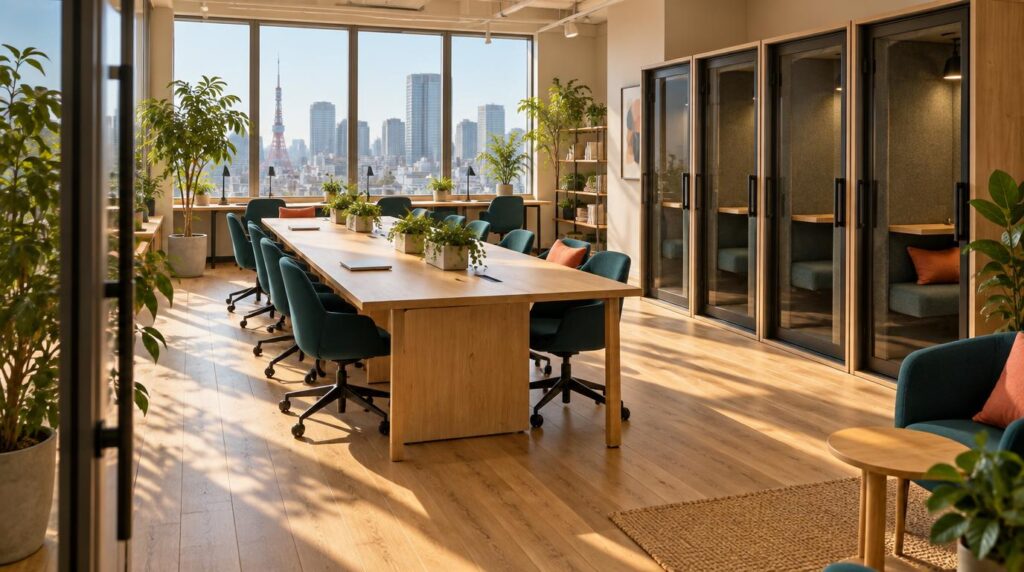
Tokyo’s 23 wards held 1,964 flexible office locations in December 2025, according to the Xymax Research Institute, as cited by E-Housing. The price ranges below come from operator rate cards in September and October 2026.
- Day pass: ¥1,000 to ¥3,300.
- Hot desk: ¥15,000 to ¥35,000 a month.
- Dedicated desk: ¥27,000 to ¥45,000 a month.
E-Housing lists several operators that serve an international crowd.
- .andwork (Shibuya): English-speaking staff and plans from about ¥29,000 to ¥34,000 a month.
- Impact Hub Tokyo (Meguro): memberships from about ¥29,700, plus a Global Passport for sister locations abroad.
- S-Tokyo (Nihonbashi): 24-hour access from about ¥27,500 a month and regular community events.
- Fabbit (Aoyama and Kyobashi): day passes of ¥1,980 to ¥2,200 and monthly plans from about ¥22,000.
- Ryozan Park (Sugamo): plans from about ¥16,500, one of the cheaper options outside the central wards.
- WeWork Japan: about 30 buildings across Tokyo, with pricing on request.
A membership usually costs less than day passes once a worker visits about 10 to 12 times a month. Readers who visit less can browse coworking spaces offering day passes first.
Most operators accept foreign credit cards and ask for no Japanese guarantor, according to E-Housing. English-speaking staff is common at international spaces and rare at small neighborhood ones. Japanese user reviews often mention noise from video calls at open desks. A space with call booths may be worth the extra cost.
Is Tokyo Safe for Remote Workers?
Japan scores well on national safety measures, though a few Tokyo nightlife districts carry specific warnings.
- Peace ranking: Japan placed 10th in the 2026 Global Peace Index, up from 13th in 2025.
- Travel advisory: the US State Department listed Japan at Level 1, its lowest level, as of early 2026.
- Nightlife scams: the UK Foreign Office reports more drink spiking and credit card fraud in Kabukicho, Roppongi, Shibuya, and Ikebukuro.
- Street touts: Tokyo police describe touts who redirect customers to other venues. Some collect advance payments for services that are not delivered.
- Natural hazards: earthquakes and typhoons are the main risks, and typhoon season runs from July to October.
Avoiding street touts and confirming prices before ordering can lower the nightlife risk. Readers comparing cities can also see the safest digital nomad cities for solo remote workers. US citizens can enroll in the Smart Traveler Enrollment Program to receive alerts during an earthquake or storm.
When Is the Best Time to Go to Tokyo?
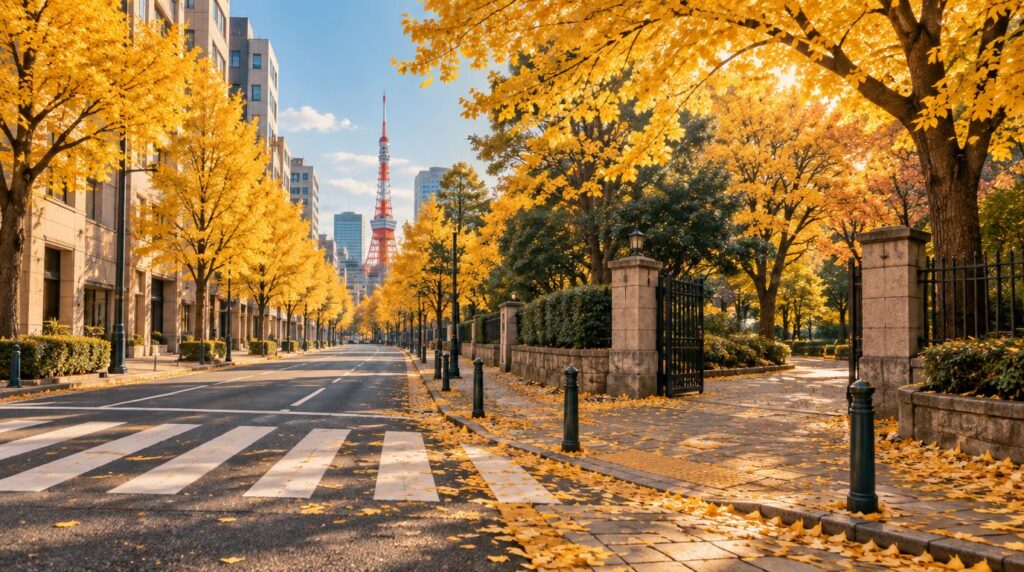
Tokyo has a rainy season, a typhoon season, and two milder stretches around them. The Japan Meteorological Agency reports an annual average of 15.8°C and 1,598 mm of rain for central Tokyo (1991 to 2020).
- Rainy season: about 7 June to 19 July on average, with humidity of 71 to 76 percent from June to October.
- Typhoon peak: August and September, although a storm can still reach Tokyo as late as October.
- Autumn: one of the two mild stretches, and E-Housing calls it a good time to look for an apartment.
- Cherry blossom season: usually brings higher travel prices.
E-Housing notes that humidity damages Tokyo apartments more than rainfall does. Checking ventilation and asking about a dehumidifier before signing a summer rental could save trouble.
Who Should Choose Tokyo and Who Should Skip It?
Tokyo works best for remote workers with higher incomes and flexible hours. The numbers are less friendly to tight budgets and to teams on US Eastern or UK schedules.
Tokyo is a good fit for:
- Higher earners: workers above ¥10 million a year who want the six-month status.
- Asia-Pacific teams: workers with clients in Asia or Australia. Pacific coast teams can also work if they accept Tokyo morning calls.
- Safety-minded travelers: people who rank low crime and reliable transit among their top needs.
Tokyo is a weaker fit for:
- Eastern US and UK teams: the workdays do not overlap in winter.
- Tight budgets: the Numbeo figures above put a one-person month outside the center near US$1,600 before coworking.
- Passports without visa-free access: the nomad status needs one.
- Anyone who needs a residence card: the status does not provide one.
Plan Your Move to Tokyo
Tokyo offers fast internet, low crime, and coworking desks at many price points. Remote workers who earn ¥10 million or more also have a clear visa route. Costs in the center run well above those outside it, and the timezone favors clients in Asia. If the numbers fit your plans, search flights to Tokyo on FlyBibe and pick dates around the mild seasons.