
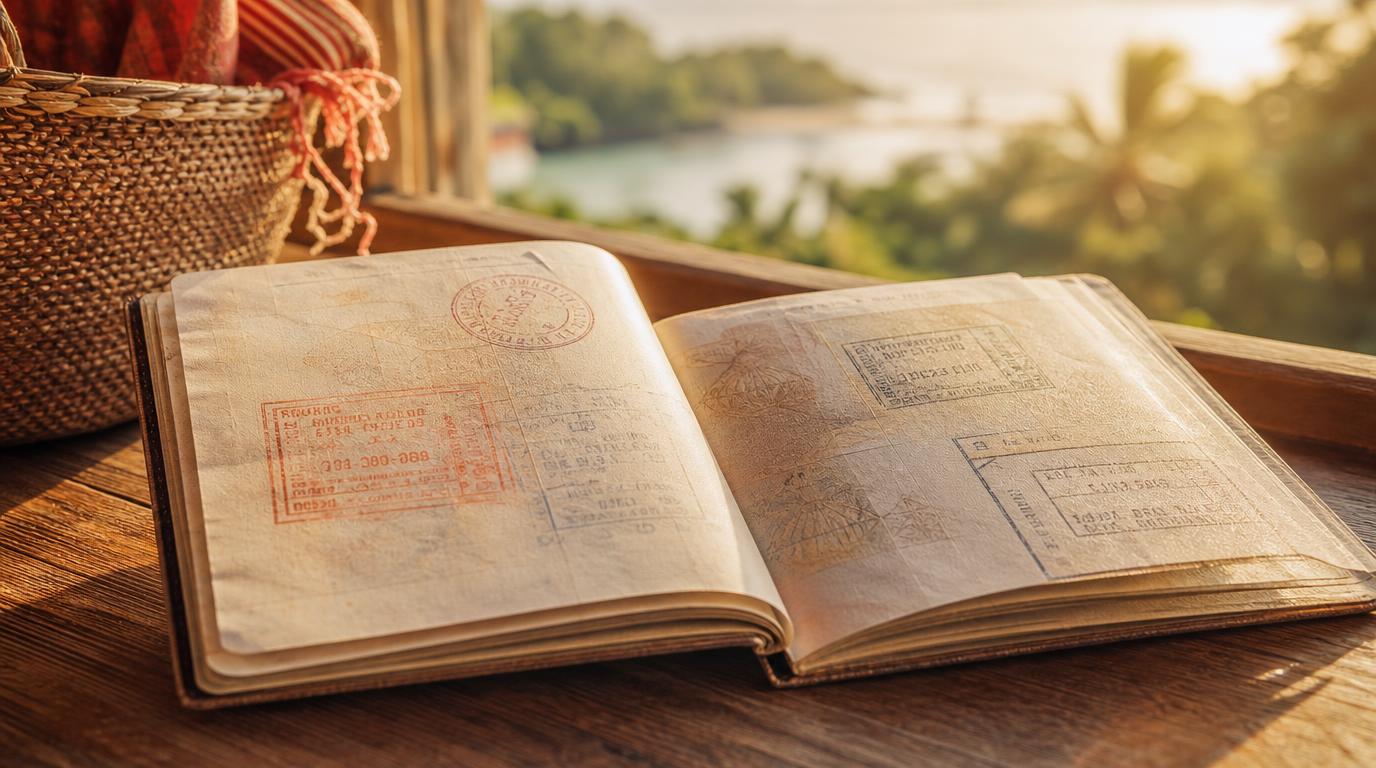
Costa Rica’s Rentista category is a temporary residency permit for people who can show stable, recurring income from outside the country. It often gets grouped with “digital nomad visa” searches since remote workers use it too. But it’s a separate program from Costa Rica’s dedicated one-year Digital Nomad Visa (Estancia para Trabajadores Remotos). Rentista takes longer to get and costs more, but it leads to permanent residency. Here is what qualifies, what it costs, and how the process actually runs.
Eligibility requirements
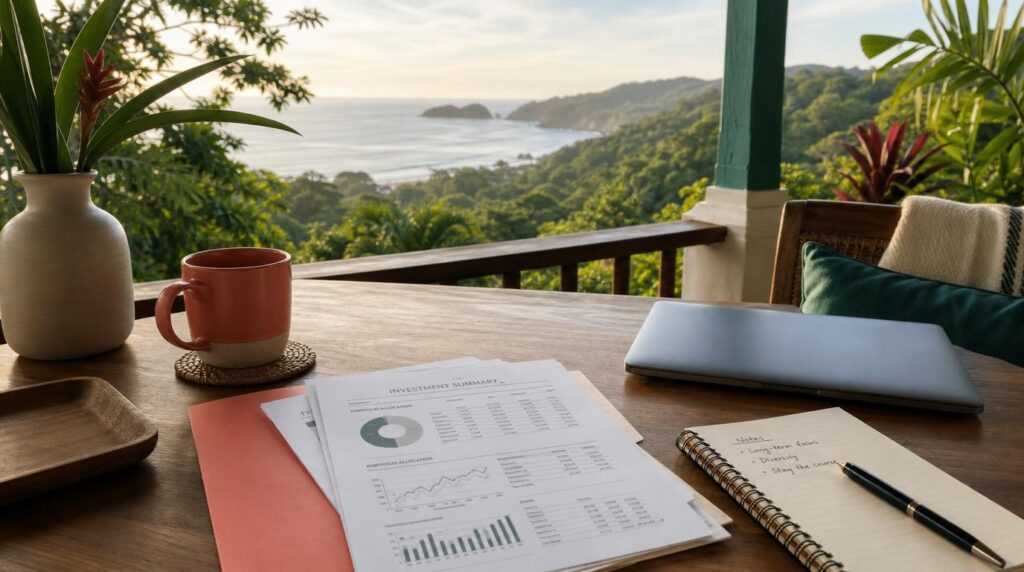
Rentista is built for people with recurring income from outside Costa Rica. A salaried remote job alone usually doesn’t satisfy it.
- Minimum income: $2,500 USD per month, guaranteed for at least two years ($60,000 total).
- Income source: dividends, interest, rental yields, annuities, or a comparable passive stream. Some firms still cite a $60,000 Costa Rican bank deposit as an alternative route. Current DGME criteria lean more toward true recurring income than a one-time deposit, so confirm which route your file actually qualifies for first.
- Proof: a notarized, apostilled bank certification, or a Costa Rican CPA letter if your bank can’t issue one.
- Work restrictions: no employment with a Costa Rican employer. Owning a business or working remotely for foreign clients is allowed.
- Dependents: a spouse and children under 25 can typically be included on the same application.
The income-source rule is the detail that trips up applicants. Some firms report Rentista files getting rejected when the $2,500 comes from salary rather than investments or rent. Confirm this directly with an immigration attorney or DGME before you start gathering documents.
How to apply
Most applicants enter Costa Rica on a tourist stay, then file from inside the country. Applying through a Costa Rican consulate abroad is possible too, though less common.
- Core documents: apostilled birth certificate, apostilled police record from your home country, notarized proof of income, passport copy, and a Consular Registration if required.
- Where to file: Dirección General de Migración y Extranjería (DGME), Costa Rica’s immigration authority.
- Receipt: once you submit, you get a comprobante, a receipt that lets you stay in the country legally while the file is under review.
- Processing time: estimates vary widely, from roughly 6-10 months to 18-24 months. Several firms note DGME has been running behind on staffing and volume through 2026.
Document prep before you land is what actually determines your timeline. Apostilles and certified translations take weeks on their own, so start that part from your home country rather than after you arrive.
Cost of the Rentista visa
Government fees are the smallest part of the bill.
- Application fee: roughly $50, paid at Banco de Costa Rica.
- Total government-side fees: estimates range from under $200 to $400-600 depending on the source and category.
- Document costs: apostilles ($20-150 per document), certified translations ($50-120 each), background check fees.
- Legal fees: most applicants hire an attorney, typically $1,000-2,000. Rentista files are detail-sensitive and carry more document requirements than the digital nomad visa.
- All-in budget: guides commonly suggest $1,500-3,000 for a straightforward case, with some recommending up to $5,000-6,000 as a buffer for currency swings and document reissues.
The gap between the government fee and the realistic total is the number to plan around, not the $50 headline figure.
Validity, renewal, and permanent residency
- Initial term: 2 years.
- Renewal: requires a current DIMEX card, a fresh income letter or bank certification, and a renewal fee cited around $123 for adults.
- Permanent residency: available after 3 or more years of continuous temporary residency, generally with a minimum-presence requirement in the country.
- Citizenship: possible after 7 years of legal residence.
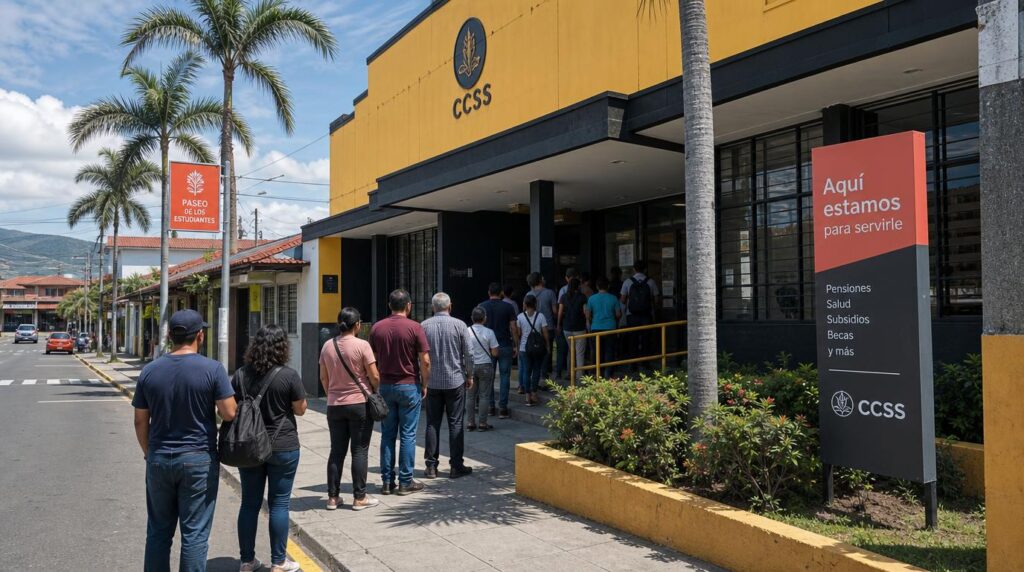
- Health coverage: once approved, enrollment in Caja Costarricense de Seguro Social (CAJA) is mandatory. Contributions run roughly 9-10% of your declared income. That puts Rentista holders near $225-300 a month at the $2,500 minimum, since CAJA bases the premium on the same figure used to qualify.
This is the real difference from the digital nomad visa. Rentista is slower and pricier upfront. It’s also the path that leads somewhere permanent, worth it if Costa Rica is a multi-year plan rather than a one or two-year stay.
Tax notes for Rentista visa holders
Costa Rica runs a territorial tax system, so income earned outside the country generally isn’t taxed locally. That’s part of why Rentista appeals to people living on foreign investment income. Spending more than 183 days in Costa Rica in a calendar year can trigger local tax residency status. This mainly affects Costa Rican-source income, since the territorial system still applies. This is general information, not tax advice, and rules vary by individual case. If you’re a US citizen, remember that US federal filing and reporting obligations continue regardless of where you live. Talk to a qualified tax professional before making long-term plans.
Who the Rentista visa is for
Rentista fits people who want a real residency track and can document passive income rather than a paycheck.
- Good fit: early retirees, investors, freelancers structured as business owners, anyone with $60,000+ in investment or rental income who wants permanent residency eventually.
- Skip it if: you’re a salaried remote employee without other assets and just want a legal one-to-two-year stay. The digital nomad visa (Estancia) is faster, cheaper, and built for exactly that income profile, even though it doesn’t lead to permanent residency.

Ready to go
Rentista is the slower, more committed route into Costa Rica, and it rewards people who plan for the paperwork rather than rush it. Get your documents apostilled before you fly, budget for legal help, and treat the timeline estimates as a range rather than a promise. If Costa Rica is next on your list, search flights on FlyBibe and start scouting neighborhoods while your file is in process.
Immigration and tax rules change and Costa Rica’s DGME has updated Rentista criteria in recent years. This article reflects information researched as of August 23, 2026. Confirm current requirements directly with DGME (migracion.go.cr) or a licensed Costa Rican immigration attorney before making plans.