

Choosing a laptop for full-time travel means picking a spot on a real tradeoff, not finding a machine that magically avoids it. This list weighs seven current options by weight, battery life, and price against what they actually deliver in return, so you can pick the compromise that fits how you work rather than guessing from marketing specs.
Every entry below gets judged on the same four things: how much it weighs in a daypack, how long it runs between outlets, what it costs to start, and what you give up for the size or power you’re choosing. The list runs from the best all-around balance point down to picks built for a specific priority, whether that’s raw GPU power, repairability, or screen real estate.
1. Apple MacBook Air 13″ (M4)
The default recommendation for most nomads remains the default recommendation for a reason. It runs silent with no fan, which matters more than it sounds like on a packed flight or in a shared coworking space.
- Weight: 2.7 lbs (1.24 kg)
- Battery: up to 18 hours of video playback, 15 hours of wireless web use
- Price: starts at $999 for 16GB RAM and 256GB storage
- Processor: Apple M4, 10-core CPU
The tradeoff is thermal, not capability. With no fan to dump heat, sustained heavy loads like long video exports or repeated compiling will throttle the chip after several minutes, something the MacBook Pro below avoids. For email, browser tabs, docs, and moderate photo editing, that ceiling rarely gets tested.
Best for: the nomad who wants one laptop that covers 90% of work without carrying extra weight for the other 10%.

2. Apple MacBook Pro 14″ (M5)
This is the pick for people whose work actually needs the headroom: video editors, developers running local models, anyone exporting large files on a deadline in a different timezone than their client.
- Weight: roughly 3.4 lbs (1.55 kg) for the base M5 configuration
- Battery: rated up to 24 hours of video playback
- Price: starts at $1,599.99
- Processor: Apple M5, with M5 Pro and M5 Max configurations available for heavier workloads
The active cooling that lets it sustain performance also adds weight and cost over the Air, and most nomads doing writing, admin, or light design work won’t use the extra power often enough to justify carrying it.
Best for: creative and technical work that regularly maxes out a lighter machine.
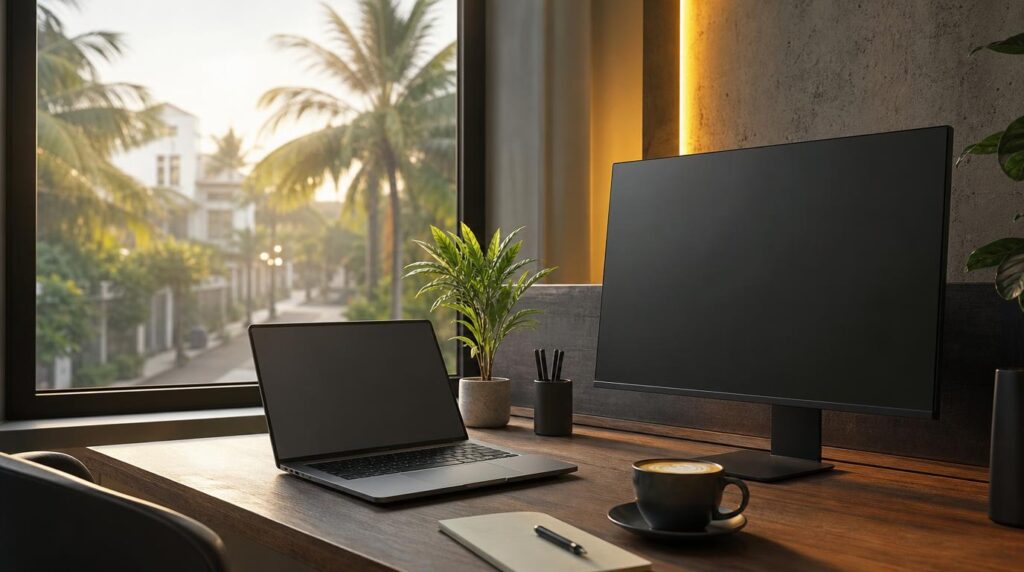
3. Lenovo ThinkPad X1 Carbon Gen 14
Built for people who need a Windows machine that survives spilled coffee, cracked-tile airport floors, and years of being shoved into a backpack.
- Weight: 2.15 lbs (0.98 kg)
- Battery: up to 24 hours of video playback, roughly 14.5 hours under a mixed workload
- Price: starts at $2,249
- Durability: MIL-STD 810H tested across 12 methods, iFixit repairability score of 9 out of 10, customer-replaceable battery
That starting price is steep for a 14-inch business ultrabook, and the RAM is soldered rather than upgradeable, so configure it for the long haul at checkout since you cannot add memory later.
Best for: nomads who prioritize durability and serviceability over sticker price.
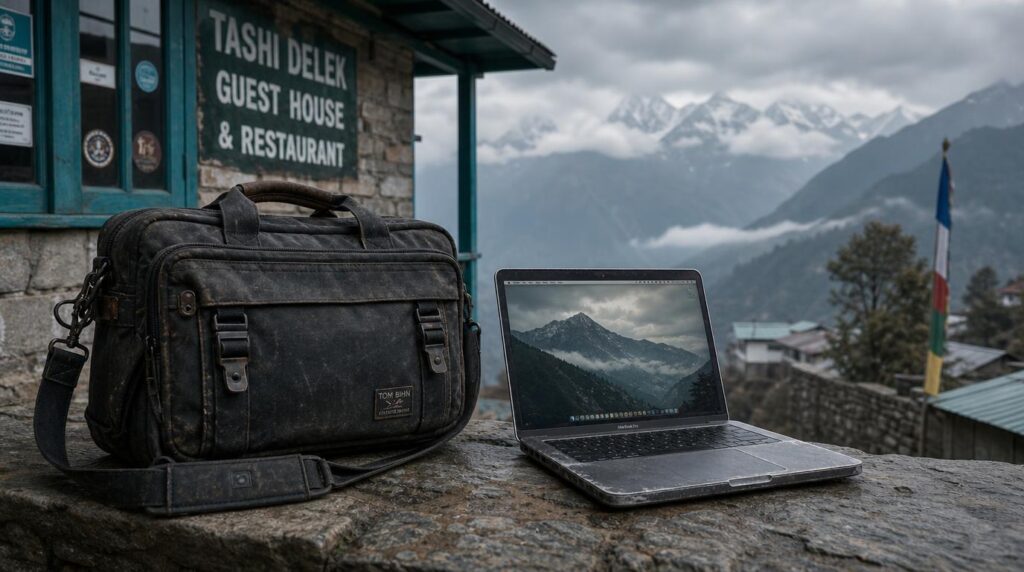
4. Dell XPS 13 (2026)
Dell rebuilt the XPS 13 for 2026 around Intel’s Wildcat Lake platform and a CNC-aluminum chassis, and it undercuts most of this list on price without feeling cheap.
- Weight: as low as 2.2 lbs (1.0 kg) in its lighter configurations
- Price: starts at $599, with better-equipped models around $699
- Display: 2.5K, 120Hz panel even at the entry price point
- Battery: reviewers have flagged battery life as a standout for its price class, though exact runtime figures vary by configuration and haven’t been independently verified by FlyBibe as of this writing
The $599 base configuration comes with modest RAM and storage, and like most ultra-thin laptops it leans on Thunderbolt-only ports, so budget for a small dongle if you need full-size USB or HDMI on the road.
Best for: nomads who want current-generation specs without a four-figure price tag.

5. ASUS ROG Zephyrus G14 (2026)
For nomads doing gaming, 3D rendering, or local AI work that genuinely needs a discrete GPU, this is the most powerful machine on the list that still fits in a normal daypack.
- Weight: 3.48 lbs (1.58 kg)
- Price: starts at $3,599 for the RTX 5070 Ti configuration
- Processor and GPU: Intel Core Ultra 9 386H paired with up to an NVIDIA GeForce RTX 5070 Ti
- Battery: 73Wh capacity with fast charging to 50% in 30 minutes
ASUS doesn’t publish a runtime estimate for this configuration, and that’s the honest tradeoff of a discrete GPU this powerful. Expect meaningfully shorter unplugged time than every other entry here, especially under load, plus a price that puts it well outside impulse-buy territory.
Best for: nomads whose work specifically requires desktop-class GPU performance while traveling.
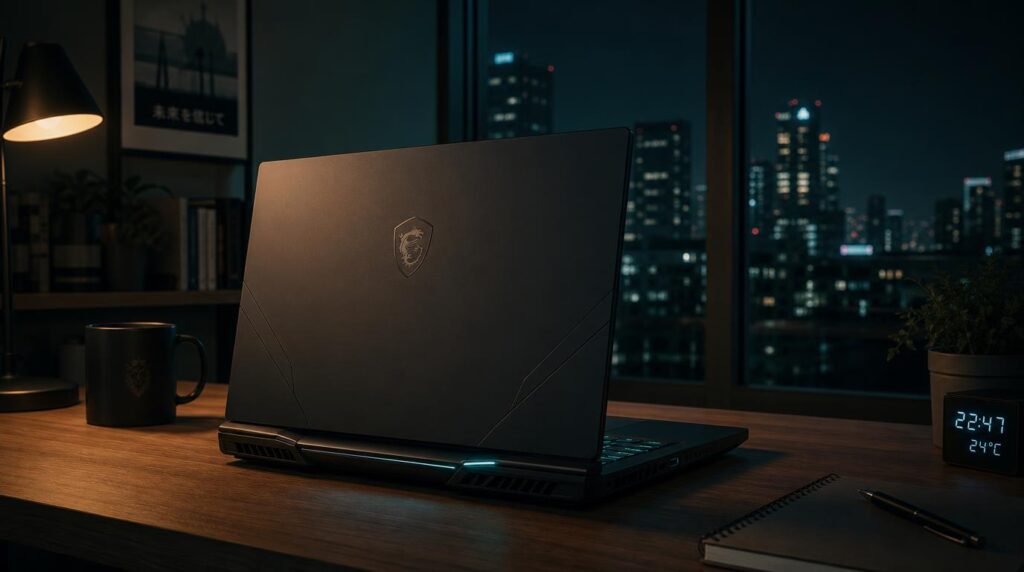
6. Framework Laptop 13 Pro
The pitch here isn’t raw speed, it’s that the laptop survives being repaired in a hostel with a screwdriver instead of shipped home for warranty service.
- Weight: 3.11 lbs (1.41 kg)
- Battery: Framework’s own testing puts it at up to 20 hours, though real-world results vary with usage
- Price: starts at $1,199 for the DIY edition, $1,499 pre-built
- Modularity: swappable expansion cards for ports, user-replaceable LPCAMM2 memory, and NVMe storage up to 8TB
It’s heavier than the ultrabooks on this list, and for the same money you can find faster raw performance elsewhere. What you get instead is a machine you can keep repairing indefinitely on the road, which matters more the longer a trip stretches.
Best for: long-term nomads who want a laptop that doesn’t become e-waste after one cracked hinge.
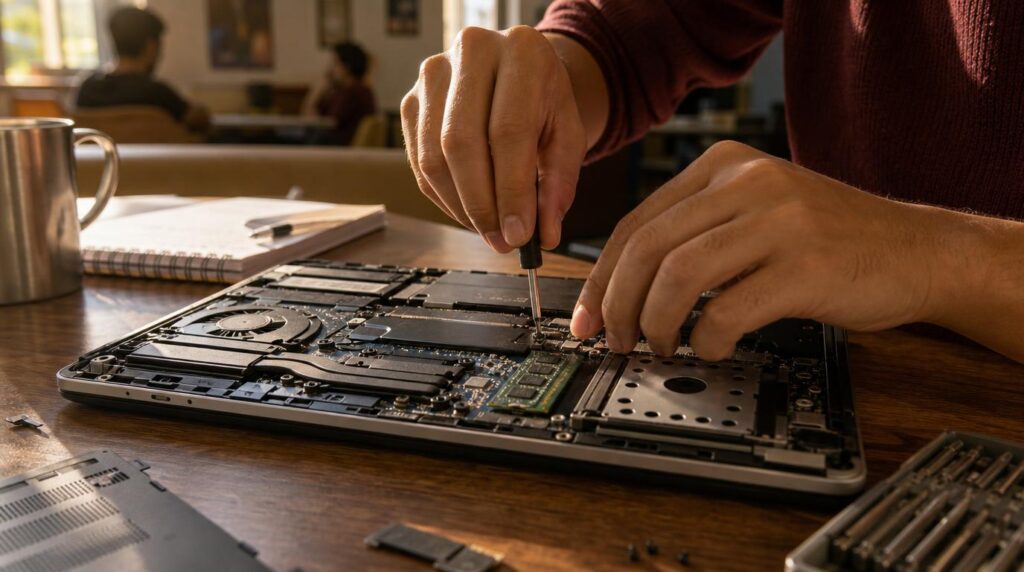
7. LG Gram Pro 16
For anyone who wants a full 16-inch screen for spreadsheets or multiple windows without hauling a heavier machine, LG has built its whole lineup around this exact tradeoff for years.
- Weight: 1,199g (2.64 lbs)
- Battery: rated up to 28.5 hours on the 2026 Core Ultra 7 355 configuration
- Price: LG’s 2026 Gram lineup starts at $1,150, with this higher-spec configuration priced above that
- Display: 16-inch WQXGA (2560 x 1600) touchscreen
A 16-inch laptop still takes up more tray-table and daypack space than the 13 and 14-inch machines above, even at this weight, and pricing climbs quickly once you configure past the base RAM and storage.
Best for: nomads who do enough spreadsheet or multi-window work that screen size outweighs the extra footprint.
Any of these seven covers the actual work of being a digital nomad, the difference is which tradeoff you’d rather live with for the next year of trips. If your next stop is already picked, search flights on FlyBibe and get your new laptop somewhere worth working from.