

Tbilisi has become one of the easiest bases in the world for remote work, mostly because of a visa-free stay that runs a full year for most passports. This guide covers what a month in the Georgian capital actually costs, how the internet and coworking scene hold up for real client work, and what changed with entry and work rules in 2026. Use it to decide whether Tbilisi fits your setup before you book a flight.
Internet and Wifi
Tbilisi’s connection holds up well against cities that charge far more for the same speeds.
- Fiber broadband: 50-100 Mbps in most Tbilisi apartments, with some providers offering up to 200 Mbps.
- Mobile 4G: 30-60 Mbps average in the city, enough for video calls without a backup connection.
- Fastest fixed provider: Silknet, which won Ookla’s Speedtest Award for the fastest fixed internet in Georgia in the second half of 2025.
- 5G: still early. Magti runs a pilot network in Saburtalo and Vake reaching 150-300 Mbps where it’s live, but coverage isn’t citywide yet.
None of this requires backup hardware for most remote jobs. A standard home fiber plan or a coworking desk covers video calls and large file transfers without the outages some other Caucasus cities still deal with.
Cost of Living
Georgia’s lari has stayed favorable for people earning in dollars, pounds, or euros, and Tbilisi remains one of the cheaper capitals in the region even after a rent spike that followed the 2022 relocation wave.
- Rent, city center: around ₾1,800 ($670) for a one-bedroom, per Numbeo’s mid-2026 figures.
- Rent, outside center: around ₾1,160 ($430) for a one-bedroom.
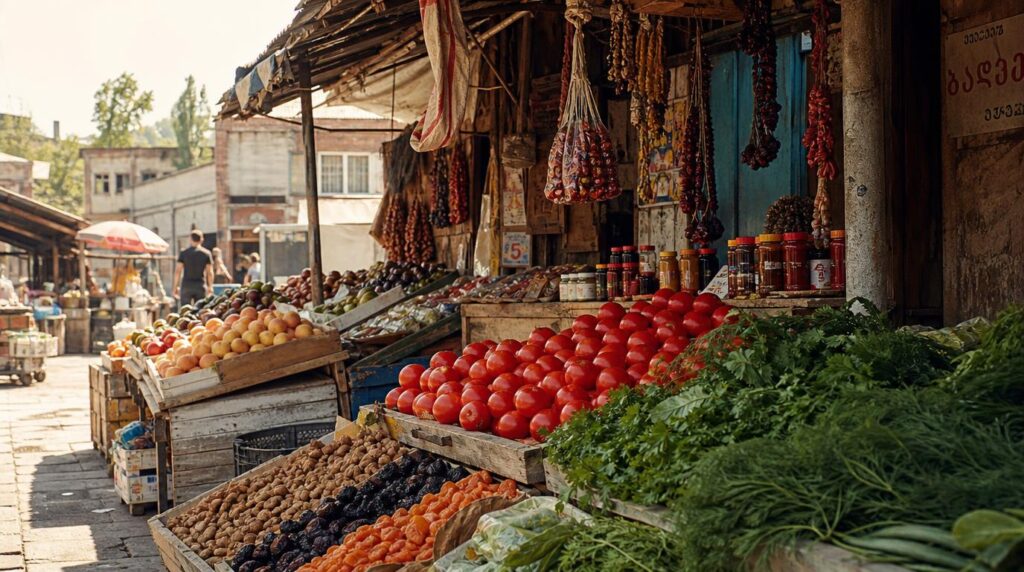
- Groceries: roughly ₾500 ($185) a month for one person, less if you shop at Dezerter Bazaar instead of supermarkets.
- Utilities: about ₾230 ($85) a month for an 85m² apartment, heating included.
- Coworking membership: ₾250-500 ($90-185) a month depending on the space.
A realistic monthly budget for a single remote worker living centrally, working from a coworking space, and eating out several times a week lands between $900 and $1,300. Cooking most meals and living outside the center brings that closer to $700.
Visa and Entry: The Visa-Free Stay
Georgia’s visa-free policy is one of the most generous anywhere, but two changes in 2026 affect how you should plan around it.
- Visa-free length: up to 365 days per entry for citizens of roughly 95-98 countries, including the US, UK, EU, Canada, Australia, and Japan.
- Reset: the clock runs per entry, not per calendar year. Leaving and re-entering restarts the count, though a rolling window of about 540 days applies if you’re trying to stay near-continuously.
- Insurance requirement, new for 2026: every entrant now needs health and accident travel insurance covering at least ₾30,000 (about $11,000) for the full stay.
- Work permit requirement, new for 2026: since March 1, most foreign nationals working for a Georgian employer or Georgian clients need a Right to Work permit. An April 2026 amendment carved out an exemption for remote workers and freelancers billing only foreign clients with no local business footprint, which covers most people reading this guide.
- Digital nomad visa: the older “Remotely from Georgia” program is suspended as of 2026. The visa-free year has effectively replaced it for most remote workers.
If your income comes entirely from clients or employers outside Georgia, the visa-free year still works close to how it always has. If you plan to freelance for Georgian clients or take local work, confirm your status through the Ministry of Labor’s portal first, since guidance on this exemption is still settling and worth double-checking before you commit to it.

Timezone Fit
Georgia runs on GET, UTC+4 year-round, with no daylight saving changes, which makes the math simpler than most of Europe.
- US Eastern: 8-9 hours ahead. The tightest overlap is early morning in Tbilisi against the late US workday.
- US Pacific: 11-12 hours ahead. Live collaboration means working evenings or very early mornings.
- UK: 3-4 hours ahead, with several hours of overlap in the Tbilisi afternoon.
- Central Europe: 2-3 hours ahead, close to a full overlapping workday.
Tbilisi suits anyone on European hours or async US teams far better than someone who needs live daily standups with a US West Coast office.
Coworking and Community
The coworking scene has grown quickly, and most of it centers on a handful of well-known hubs.
- Fabrika: a converted Soviet sewing factory in Chugureti that houses Impact Hub alongside bars, shops, and studios. Day passes start around ₾35-40.
- Impact Hub Tbilisi: inside Fabrika, with 24/7 access on most memberships and a day pass around ₾40-50.
- Terminal: the largest coworking chain in the Caucasus, with locations across Vake, Saburtalo, and Marjanishvili.
- Loft 37, in Vere: smaller and quieter, built for focused work rather than networking.
Fabrika and Impact Hub work best if you want a built-in social scene alongside your desk. Terminal and Loft 37 suit people who’d rather have a quiet, office-style setup.

Safety
Tbilisi ranks among the safer capital cities globally, and violent crime targeting visitors is rare.
- Numbeo Safety Index: around 74 out of 100 in 2026, ranking 49th out of 380 cities worldwide.
- Most common issue: taxi overcharging and inflated bills at a handful of Old Town restaurants, not violent crime.
- Fix: book rides through Bolt or Yandex Go rather than flagging taxis on the street, and ask for a priced menu before ordering.
- Worth noting: political protests occasionally concentrate around Rustaveli Avenue and Parliament. The rest of the city functions normally during them, but it’s worth checking local news before walking through that area.
Standard city precautions, well-lit streets at night, confirmed fares, and normal caution in crowds, cover almost everything you’ll run into here.
Best Time to Visit
Tbilisi has a real seasonal swing, and the shoulder months make the biggest difference if you plan to spend long days outside a coworking space.
- May and September: the sweet spots, with temperatures around 20-24°C (68-75°F) and the lightest rain of the year.
- June through August: hot, with highs regularly above 30°C (86°F). Many locals and long-term expats head to the Black Sea coast or the mountains in August.
- November through February: cold, occasionally near freezing at night, but quieter and cheaper for long-term rentals.
- Mid-October: wine harvest season in nearby Kakheti, a strong weekend-trip window if you’re already based in the city.
If your schedule is flexible, arriving in spring or early autumn gets you the most livable weather and the easiest transition into a new routine.

Who Tbilisi Is For
Tbilisi works best for remote workers on European or US East Coast hours who want a full year of stability without visa paperwork, and who don’t mind a city that’s still working out its coworking scene and its new work-permit rules as it grows.
- Good fit: freelancers and employees billed entirely to clients or employers outside Georgia, wine and food-focused travelers, and anyone who wants a full year in one place without applying for a formal digital nomad visa.
- Consider elsewhere: anyone planning to freelance for local Georgian clients under the new work-permit rules, or anyone who needs tight daily overlap with a US Pacific team.
Search Flights to Tbilisi on FlyBibe
Tbilisi delivers real value for remote workers: a full year of visa-free stay, rent well under $700 for a central one-bedroom, and internet that holds up to daily video calls. The 2026 insurance and work-permit rules add a bit more paperwork than a few years ago, but they don’t change what makes the city work for most nomads. If Tbilisi’s mix of cost, internet, and community fits your setup, search flights to Tbilisi on FlyBibe and start planning the move.