

Coworking and coliving retreats come in three main models: network memberships, city hubs, and rural retreats. Each one differs in price, stay length, group size, and work setup. The sections below compare the three side by side and then match each model to a type of nomad. The comparison assumes you have already chosen coliving over a hotel or Airbnb.
The Three Models in Brief
Each model packages a room, a place to work, and a group of people in a different way.
- Network membership: You pay for access to a group of locations and choose your own stays. Outsite works this way. WiFi Tribe runs 28-day group chapters under an annual membership.
- City hub: A coworking space with a coliving house attached, in a town or city that already has a nomad scene. Hub Hoi An, in Hoi An, Vietnam, is one example.
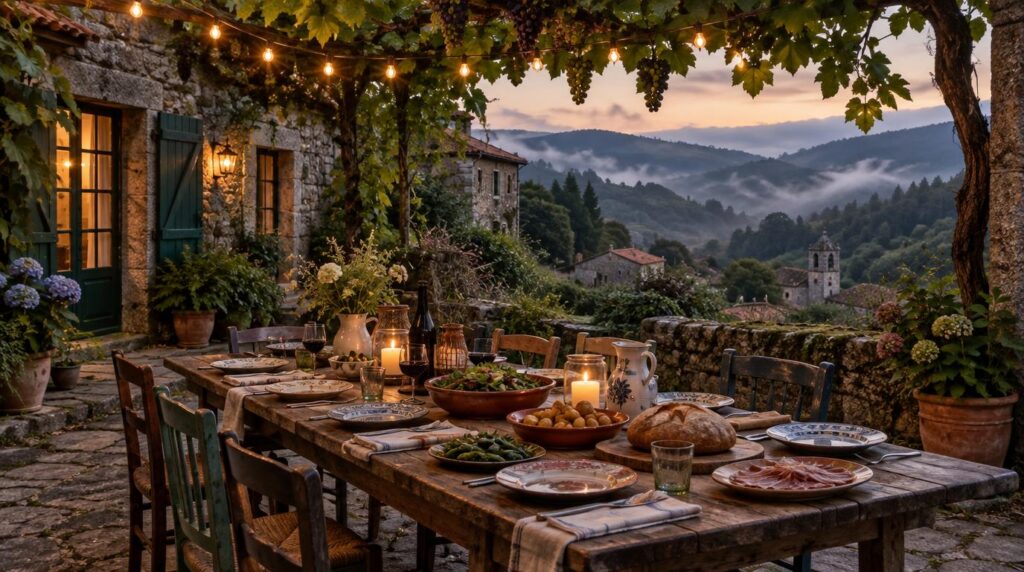
- Rural retreat: A house or a few houses in a village, usually with a small group and shared meals. Sende and Anceu, both in Galicia in northwest Spain, are examples.
Prices below come from each operator’s website or from 2026 roundups. They change by season, so check the current rate before booking.
Cost
Sticker prices overlap across the three models, and many stays land between about €700 and €1,200 a month. What each price includes differs more than the price itself.
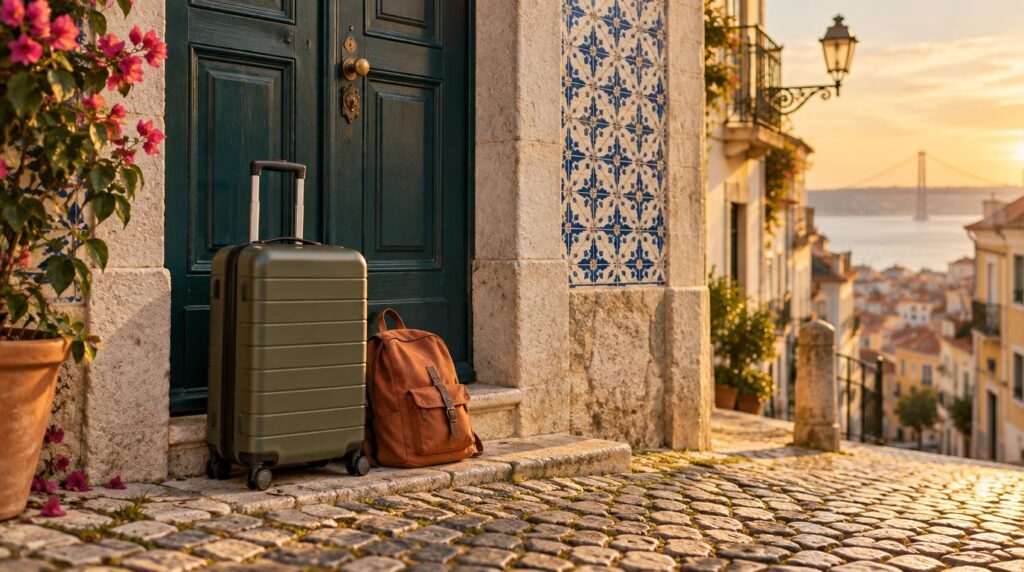
- Network membership: Outsite lists winter 2026 to 2027 stays in Lisbon (Cais do Sodré) from €800 a month. The minimum stay is 28 nights. Members get up to 30% off stays longer than 28 nights and up to 35% off stays longer than 60 nights. Outsite also charges an annual membership fee, which older reviews put at $150, so confirm the current price. WiFi Tribe charges an annual fee of about $500, plus chapters from around $1,200 a month.
- City hub: Hub Hoi An lists one month in a classic room at $789 for one person and $989 for a best-view room. The price includes coworking membership, utilities, and airport pickup. Food costs extra.
- Rural retreat: Sende’s own site gives a minimum of €690 a month for a shared room and €790 for a private room. Guests pay on a donation basis. A 2026 Genki guide lists €850 shared and €960 private, plus about €13 a day for shared food. The two Sende figures differ, so confirm the rate directly. Anceu starts at €882 for a private room, and Savi Coliving near Valencia charges from €1,200 all inclusive.
A network membership adds a yearly fee to the room price, while a city hub usually bundles the desk into it. Rural spaces can look cheaper at first, but food and transport to a village may add to the total.
Stay Length and Booking Flexibility
Stay rules decide how easily a model fits a changing schedule.
- Network membership: Outsite members who cancel at least 14 days before check-in get a full refund, according to Outsite. WiFi Tribe chapters last 28 days and start and end on Fridays. Applicants are screened, and older sources put the acceptance rate at about 1 in 5.
- City hub: Hub Hoi An has a one-week minimum and no maximum stay, with a discount from three months. Cancellations made more than 30 days before arrival get a 70% refund. Later cancellations usually get no refund.
- Rural retreat: Sende hosts stays from one week to one month, and it runs in June and from August to mid-October. Anceu accepts stays of 15 to 60 days. Savi requires a one-month minimum and an application. Reaching Sende means flying to Porto, Santiago de Compostela, or Vigo, then taking a bus via Ourense.
Network memberships suit people who plan a month at a time. A city hub works for people who may stay one week and decide later. Rural spaces reward early planning, because seasons, applications, and travel times all limit the options.
Community Size and Feel
Group size shapes how quickly people become friends and how much privacy remains.
- Network membership: WiFi Tribe chapters hold 15 to 25 people, according to WiFi Tribe. At Outsite, community managers host events, and members join a WhatsApp group for the location where they stay.
- City hub: Hub Hoi An says its coworking runs 10 to 20 events a week, with as many as six in one day. Coliving residents form a smaller core group inside that larger crowd.
- Rural retreat: Savi hosts 12 to 14 residents chosen through an application. Mokrin House in Serbia has about 25 residents and an onsite chef who cooks three meals a day. Sende sits in a village of about 20 inhabitants, and Genki reports that more than 5,000 nomads have stayed there.
A large hub makes it easy to meet people and also easy to stay anonymous. A small rural group lets friendships form quickly, though a poor match is harder to avoid. For solo nomads worried about isolation, our guide to building community as a solo digital nomad covers ways to meet people between stays.
Work Setup and Wifi
Most operators advertise fast wifi, so the useful details are the speeds and the type of workspace.
- Network membership: Quality varies by property, so ask for a speed test of the specific location. Our guide explains how to check wifi speed before booking a stay. WiFi Tribe lists reliable wifi as one of three things it promises for each chapter.
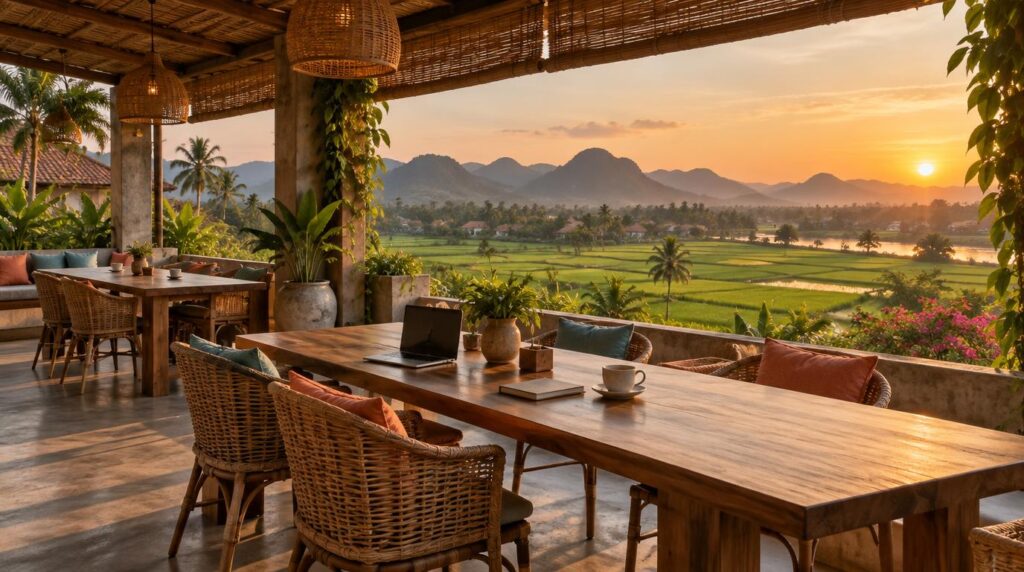
- City hub: Hub Hoi An offers 24/7 coworking access, and Holafly reports speeds of about 240 to 260 Mbps. Rooms have desks and office chairs. A coworking-only month costs 4 million VND, about $166, per the Hub site. If you already have a room elsewhere, coworking memberships for frequent travelers may cost less than a full coliving package.
- Rural retreat: Anceu has 1 Gbps symmetric fiber, and Sende reports 160 to 250 Mbps on a Wi-Fi 6 mesh network. Savi offers dual screens and Starlink. Some rural spaces have no coworking room, though. Genki notes that Arctic Coliving in Norway offers lounges instead of a dedicated coworking space, which suits focus work more than call-heavy days.
Rural spaces are not automatically slower than city hubs. A hub more often offers a staffed coworking room, while a village space may offer shared tables inside a house.
Which Model Fits Which Nomad
The model matters more than the brand name, so start with how you work and travel.
- You move every month or two: A network membership is one of the better fits. Outsite lets you choose cities and stay lengths, and WiFi Tribe gives you a new group each month.
- You are new to nomad life and want a social start: A city hub offers a daily event calendar and a coworking crowd.
- You take client calls all day: A city hub with a staffed coworking room works well. A rural space with proven fiber, such as Anceu, can work too.
- You feel burned out or need deep focus: A rural retreat offers quiet and a small group. Our guide to avoiding burnout as a digital nomad covers pace in more detail.
- You are on a tight budget: Rural spaces in Eastern Europe can cost less. Coliving Semkovo in Bulgaria lists studios from about €499 a month, though Genki describes the project as new and still ramping up.
- You want a short guided trip instead of a month-long stay: Group programs often run one to four weeks. Our list of the best digital nomad retreats covers them.
Once you have chosen a model, you can search remote-friendly tours and trips for your dates on FlyBibe’s tours page.