
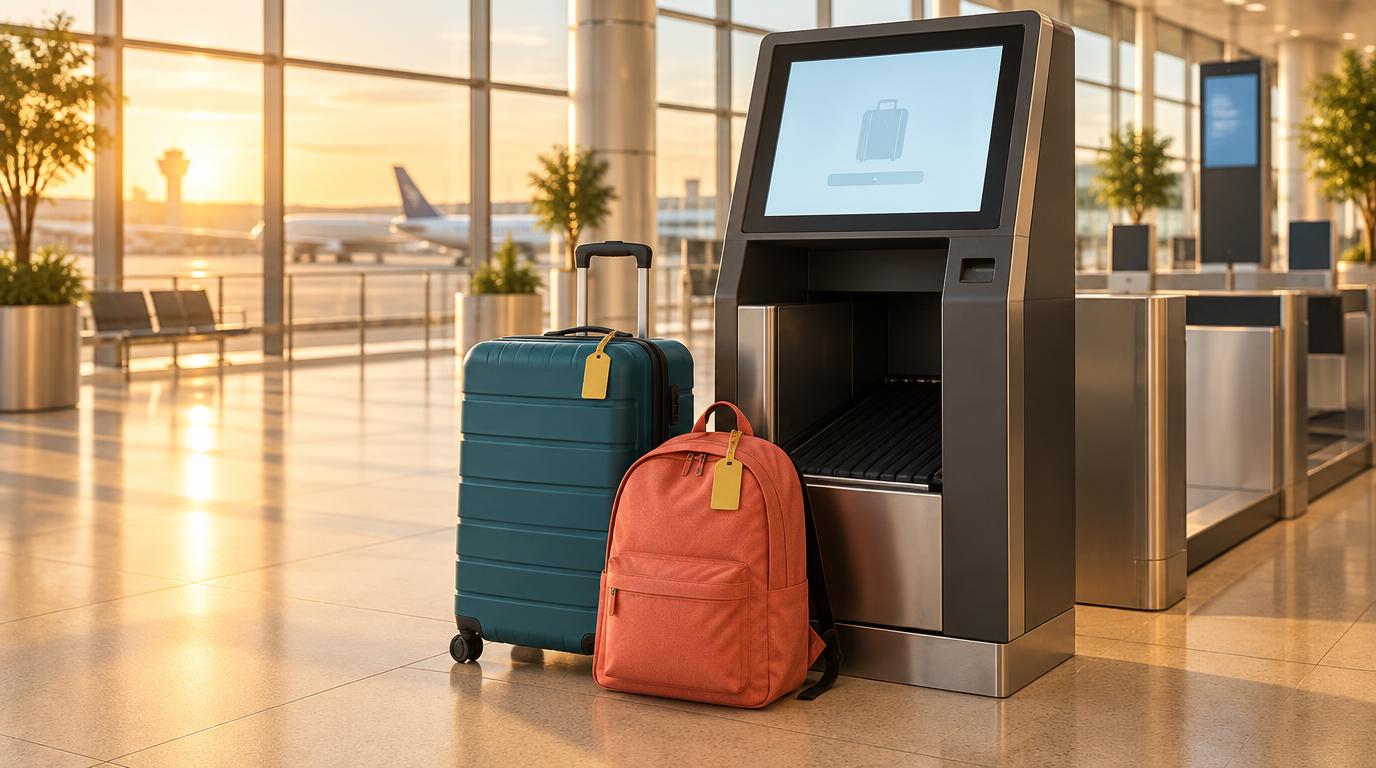
A baggage allowance is the number, weight, and size of the bags an airline lets you take for the fare you bought. Airlines set it by route, fare, and travel class, and the usual rules do not depend on how long you plan to stay. This guide explains piece and weight rules and what different types of airlines charge. It also shows how to carry more on a long one-way trip without paying large fees.
Fees and limits below were checked in October 2026. Airlines change them often, so the airline’s own page is the place to confirm the numbers before you book.
What Decides Your Baggage Allowance
Four details on your booking set what you can bring.
- Route: Emirates says the weight concept applies to most routes. The piece concept applies to flights to and from the Americas and flights that start in Africa.
- Fare: Basic economy fares usually include less baggage than standard fares, according to Perk’s travel glossary.
- Travel class: Economy, business, and first class have different limits.
- Airline: Each airline sets its own limits for size, weight, and number of pieces.
The fare details shown at booking list the bags included. Reading that line before you pay can prevent surprises at the airport.
Piece Concept and Weight Concept
Airlines count free checked baggage in one of two ways.
- Piece concept: The airline allows a set number of bags, and each bag has a weight limit. Perk gives 23 kg (50 lb) per bag as the usual economy limit on transatlantic routes. Emirates includes one piece up to 23 kg on its Special and Saver fares on piece routes.
- Weight concept: The airline sets one total weight for all your bags together. Perk’s example is 20 kg in total, which could be one 20 kg bag or two 10 kg bags.
On Emirates, a flight to the Americas follows piece rules, while most other routes follow weight rules. A trip made of several one-way flights can therefore meet both systems, so each ticket needs its own check.
Cabin bags follow the airline’s own limit. IATA has described its 55 x 35 x 20 cm cabin bag size as a guideline, and each airline sets its own maximum.
What Different Airlines Charge
The same bag can be free on one airline and cost extra on another. The type of airline tells you most of what is included.
Full-Service and US Airlines
- Long-haul routes: Delta and United still include the first checked bag on many long-haul international flights, according to Islands.
- US domestic and short routes: Delta charges $45 for a first checked bag on tickets bought on or after April 8, 2026. American charges $40, or $35 when paid online, according to TripProf.
- Carry-on: DeepArrival reports that a carry-on and a personal item stay free on large US airlines such as Delta, United, and JetBlue.
Low-Cost Airlines
Low-cost airlines often charge for the cabin bag as well as the checked bag.
- Ryanair and Wizz Air: Which? checked cabin bag prices on roughly 1,500 flights. The survey found no flight with Ryanair’s lowest advertised price of £5.99, and the average Ryanair cabin bag fee was £20.50. Wizz Air’s lowest fee of €10 appeared on 0.6 percent of the flights checked. Both airlines disputed the findings.
- Free small bag: Wizz Air says each ticket includes a free under-seat bag.
- AirAsia: According to Trip.com, checked baggage is not included by default on most AirAsia flights from Singapore. AirAsia Philippines sells weight tiers from 20 kg to 60 kg.
Low-cost fares show the ticket price first and the bag price later. Adding the bags you need before comparing can narrow the price difference with a full-service airline. A longer comparison is in budget airlines versus full-service carriers.
Weight and Size Limits on Heavy Bags
Long stays often mean heavier bags, so size and weight limits matter.
- Standard checked bag: Many airlines allow up to 23 kg and 158 cm in total length, width, and height, according to Upgraded Points. A bag of 26 x 20 x 16 inches adds up to 62 inches, or 158 cm.
- Overweight: Air New Zealand charges extra for bags over 23 kg but under 32 kg. Air Transat charges US$100 for a bag in that range.
- Oversize: Malaysia Airlines treats bags of 158 to 204 cm as oversized. The airline does not accept bags above 204 cm as baggage.
- Weight ceiling: Air India does not accept a bag over 32 kg (70 lb) and sends it as cargo.
Here is a worked example. Suppose an airline allows 20 kg in total and your bags weigh 28 kg. At an example airport rate of US$10 per extra kilogram, the 8 extra kilograms cost US$80. Air India says prepaying can save up to 20 percent, which would bring the cost to US$64. The rate is only an example, because real rates differ by airline and route.
Skyscanner notes that adding a second bag can cost less than paying for one overweight bag, depending on the airline.
How Separate One-Way Tickets Change Your Baggage
Long-term travelers often buy each flight as its own one-way ticket. Each ticket has its own allowance.
- One ticket: On a single ticket, bags are usually checked through to the final airport, according to Kayak.
- Separate tickets: You collect the bag at the connection and check it in again, according to Kayak. Kayak also suggests allowing extra time, and immigration may come first.
- American Airlines: Separate tickets in separate bookings are checked only to the end of the American ticket, according to Your Mileage May Vary.
- Repeat fees: Air India says extra baggage fees apply again on later flights when a passenger collects the bag along the way. DeepArrival says many US airlines charge the bag fee each way, so each new one-way ticket can add another fee.
A traveler who books three one-way flights can face three allowances and three sets of bag fees. The booking side of this choice is covered in one-way versus round-trip tickets.
Ways to Carry More or Pay Less
- Prepay: Skyscanner says pre-booking extra baggage is usually cheaper than paying at the airport. HappyFares puts the saving on AirAsia flights at 20 to 30 percent.
- Use a card or status: DeepArrival says most US airline credit cards waive the first checked bag for the cardholder. Thrifty Traveler says United requires its co-branded Chase card for the benefit. The annual fee of the card counts as part of the cost.
- Ship ahead: ParcelMonkey says one extra overweight bag costs about the same by courier as by airline, while oversize fees make the airline price climb. Wise lists AU$378.30 for one 20 kg parcel as an example. Send My Bag notes that customs forms and destination rules apply.
- Pack less: A minimalist packing list and carry-on luggage sized for the airline can remove the checked bag. The free under-seat bag on low-cost airlines still has a size limit, so measuring a bag against the airline’s limit before buying it can avoid fees.
Each option has a cost or a limit. Prepaying is simple, cards need the right airline, and shipping adds customs steps.
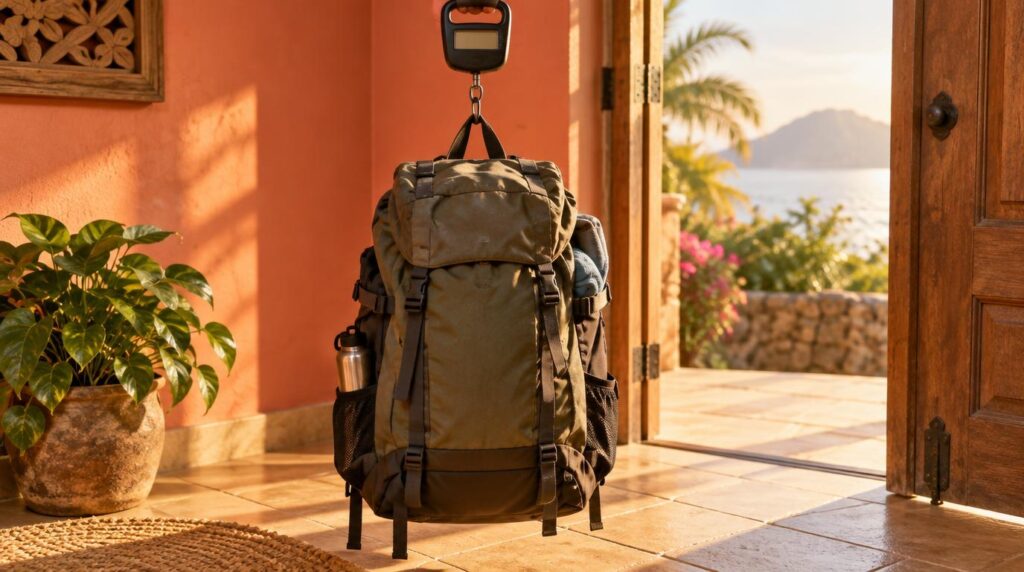
A Common Mistake: Comparing Fares Without Bags
A common mistake is comparing ticket prices before adding the bags you need. A fare of 60 euros plus a 25 euro checked bag costs the same as an 85 euro fare that includes the bag. Which? found that the lowest advertised cabin bag prices at Ryanair and Wizz Air were rarely available. The price shown first may therefore differ from the price paid.
When you compare fares on FlyBibe, adding the cost of your bags to each fare shows the real total.
Final Thoughts
A baggage allowance follows the route, the fare, and the airline, and the length of your stay does not change it. Checking the piece or weight rule, pricing bags before you buy, and allowing for a new allowance on each separate ticket keeps costs easier to predict. When you are ready to pick a route, search one-way flights on FlyBibe and add your bags to the price of each fare you compare.