
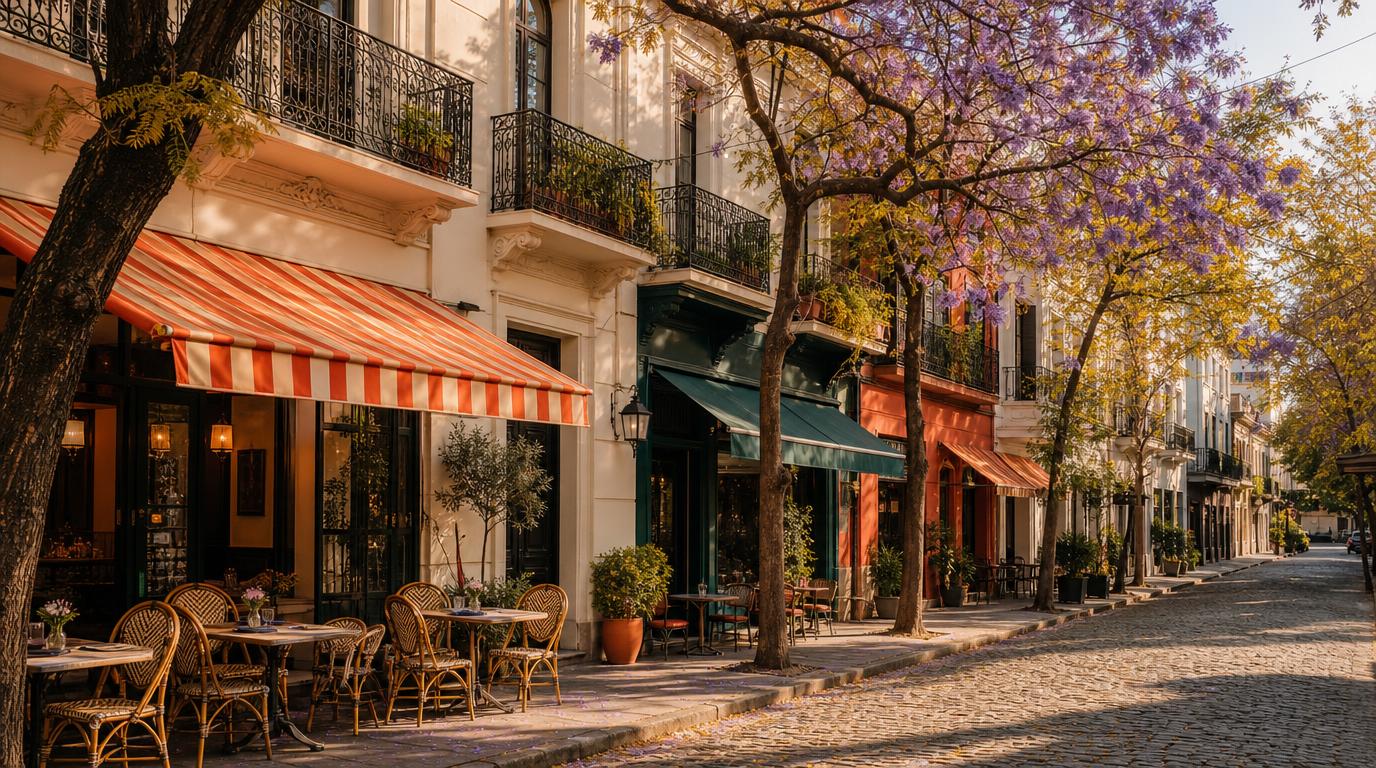
Buenos Aires sits at UTC-3, runs on fiber internet that beats most of the region, and stretches a remote income further than most cities its size. This guide covers what it actually costs to live and work here, how the timezone lines up with US, UK, and European hours, the visa options for longer stays, and where to find coworking and community once you land.
Internet speed
Buenos Aires runs on fiber and cable broadband that outperforms most of Latin America.
- Average fixed broadband: 155 Mbps download, 98 Mbps upload, around 18ms latency, based on 12-month provider data through March 2026.
- Fastest provider: Movistar, averaging over 200 Mbps download in the capital.
- Mobile speed: roughly 93 Mbps download on Personal, the fastest carrier.
- Typical plan range: 100–500 Mbps on cable or fiber in central neighborhoods, with FTTH still expanding into some outer areas.
For a full day of video calls, reliability matters more than the top-line number. Palermo, Recoleta, and Belgrano all sit inside the fiber footprint, so a decent apartment or coworking desk in any of those barrios handles calls and uploads without drama.
Cost of living
Your monthly budget in Buenos Aires depends more on how you rent than on anything else.
- Lean budget: around $1,000–1,100/month all-in, renting a room or studio outside the center and cooking most meals.
- Comfortable single: $1,500–2,000/month, covering a central one-bedroom, regular meals out, and weekend trips.
- Couple living well: roughly $2,000–2,800/month.
- Central furnished one-bedroom: $400–750/month, with foreigner-facing short-term listings in Palermo or Recoleta often running higher.
- Everyday prices: coffee around $3.94, a Big Mac $3.75, a 5km Uber ride about $2.
Rent estimates vary more than usual between sources here. Some put a central one-bedroom as low as $368, others closer to $750, largely because furnished listings aimed at foreigners cost more than a local lease found through a Spanish-language site. Budget toward the higher end if you’re booking before arrival, then expect that number to drop once you’re renting like a local.
Visa and entry
Most passports get generous runway in Argentina without any paperwork.
- Tourist entry: US, UK, EU, Canadian, and Australian citizens enter visa-free for 90 days.
- Extension: one 90-day extension is available in-country through Migraciones, for a maximum tourist stay of 180 days.
- Digital Nomad Visa: a transitory residence category under Disposición DNM 758/2022, for remote workers earning income from abroad, valid up to 180 days and renewable.
- Renewal condition: you need to have spent at least half the initial 180 days inside the country to renew.
- Income proof: no fixed official minimum exists, but applicants typically show $1,500–2,500/month through bank statements or contracts.
- Tax treatment: foreign-source income generally sits outside Argentina’s tax net for nomad-visa holders.
Argentina’s migration rules have shifted more than once over the past two years as new decrees adjusted the framework. Treat any income figure here as a practical benchmark, not a legal minimum, and confirm current requirements with Migraciones or a local immigration lawyer before applying. For stays under three months, visa-free entry is simpler and gets you the same result.
Timezone fit
Buenos Aires sits at UTC-3 year-round. Argentina dropped daylight saving in 2009, so the offset never shifts.
- US Eastern: 1–2 hours ahead, depending on US daylight saving, which means close to a full overlapping workday.
- US Pacific: 4–5 hours ahead. A Buenos Aires afternoon lines up with a Pacific morning, giving several usable hours.
- UK: 3–4 hours behind. A Buenos Aires morning overlaps with a UK afternoon.
- Central Europe: 4–5 hours behind, the narrowest window of the four, workable mainly in the Buenos Aires morning.
This makes Buenos Aires a strong pick for anyone on US Eastern hours, and a workable one for European teams willing to take morning calls. Someone tied to Pacific or Asia-Pacific hours will find the overlap thinner and should plan around a shifted schedule.
Coworking and community
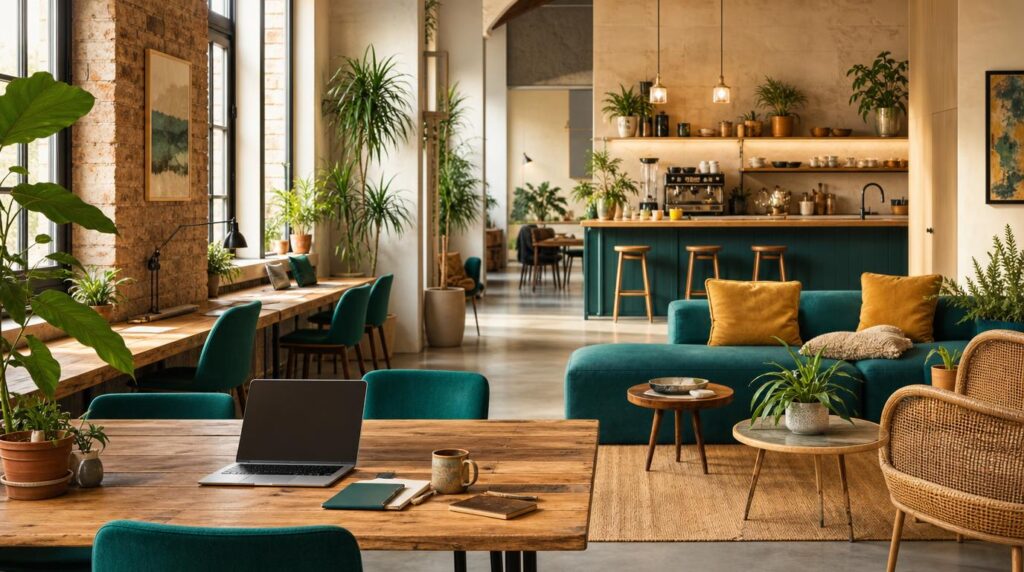
Palermo carries most of the coworking scene, with smaller pockets in Recoleta and Belgrano.
- AreaTres Coworking, Palermo Soho: community-oriented, popular with long-stay nomads.
- Urban Station, multiple locations including one near Plaza Italia: one of the city’s oldest coworking networks, with regular events.
- WeWork, several locations including Corrientes and Palermo: the consistent, higher-cost option for a familiar international brand.
- Manawa Coworking Creativo, Palermo Soho: smaller and colorful, with a terrace and a more local crowd.
Worth knowing before you land: Selina Palermo, long the default meeting point for international nomads, closed in May 2025 and now runs as a hotel with no coworking component. The scene has consolidated rather than shrunk, but check a space’s current hours in person rather than trusting an old blog post, since a few venues have quietly changed status.
Safety
Buenos Aires carries a US State Department Level 1 rating, the same tier as Canada or Japan, and ranks as the safest major capital in Latin America on the Global Peace Index.
- Violent crime: rare against tourists and foreign residents; CABA data from 2024–2025 puts homicide around 3–4 per 100,000 residents.
- Main risk: petty theft, especially phone-snatching by motochorros, pairs of thieves working from motorbikes.
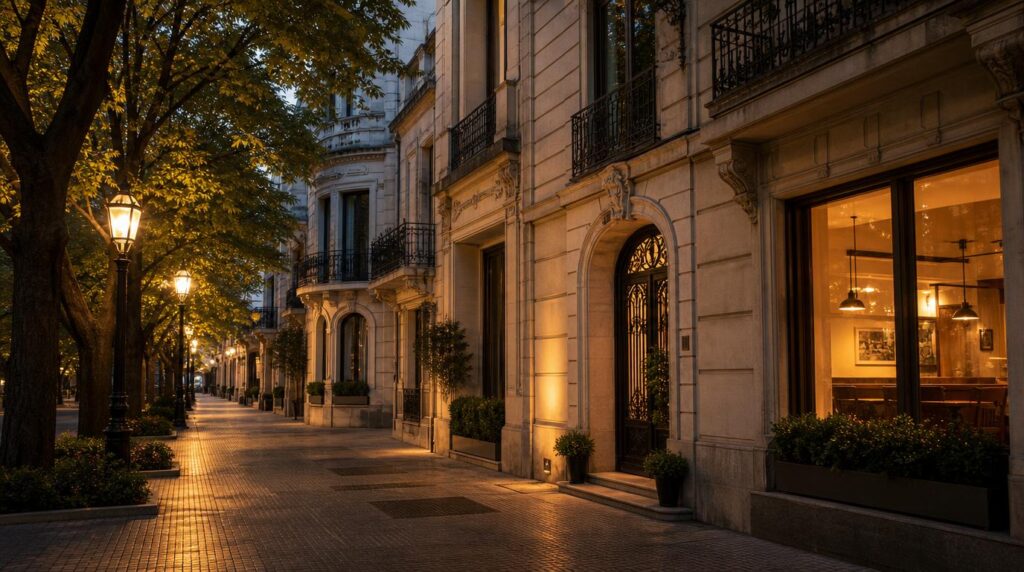
- Safest barrios: Belgrano, Caballito, Palermo, and Recoleta, all in the northern part of the city.
- Basic precautions: keep your phone out of sight on the street and at outdoor café tables, wear a backpack on your front on the subte, and use a registered taxi or an app like Cabify or Uber after dark.
Day to day, none of this makes Buenos Aires feel like a high-alert city. The risk profile resembles Barcelona or Rome more than higher-crime capitals elsewhere in the region, and the main adjustment is simply keeping your phone put away on the street.
Best time to visit
Buenos Aires runs on a Southern Hemisphere calendar, so its seasons flip relative to North America and Europe.
- Spring (September–November): mild, 64–77°F (18–25°C), jacaranda trees bloom purple across Palermo’s parks.
- Fall (April–June): similarly mild, with fewer crowds and comfortable walking weather.
- Summer (December–February): hot and humid, 75–90°F (24–32°C), peak season with the highest prices and heaviest rain.
- Winter (June–August): cool, 45–60°F (7–16°C), the cheapest season for flights and rent, and home to the Tango Festival in August.
For a long-stay nomad, season matters less than it would for a one-week trip, since you’ll be there through whatever weather shows up. If your timing is flexible, arriving in spring or fall gets you the most comfortable stretch for exploring on foot before settling into a routine.
Who it’s for
Buenos Aires suits remote workers on US Eastern hours, anyone chasing a European-capital feel at a fraction of the cost, and people willing to put real effort into Spanish. English proficiency here is the highest in Latin America, but it still isn’t universal outside coworking spaces and tourist zones.
It’s a tougher fit for anyone needing tight overlap with Pacific or Asia-Pacific teams. It also asks more patience from nomads who want total predictability, since Argentina’s economic and regulatory landscape shifts more than most digital nomad destinations, and visa rules are worth reconfirming close to your travel dates.
Ready to go
Buenos Aires delivers fast internet, a genuinely low cost of living, and a timezone that works well for US-hours remote jobs, wrapped in a city with the café culture and architecture of a European capital. Spring and fall bring the most comfortable weather for settling in, and Palermo remains the easiest base for coworking and community. Search flights to Buenos Aires on FlyBibe and start planning your stay.