
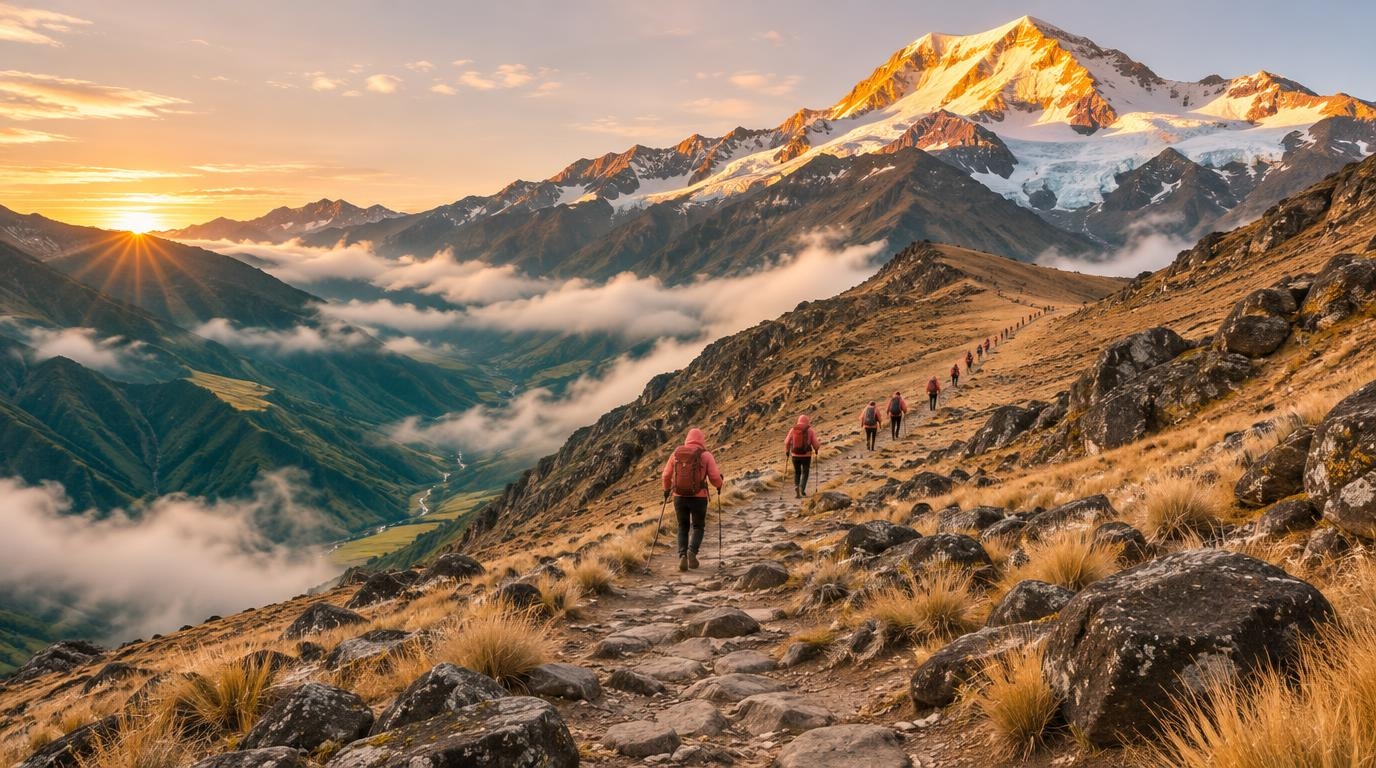
Machu Picchu can be reached in three main ways. Hikers choose the four-day Inca Trail or the Salkantay trek, and other visitors take the train from the Cusco region. This guide compares the three on time, cost, permits, difficulty, and luggage. Figures were checked on November 21, 2026, and rules or prices may change before you book.
The Three Options in Brief
- Inca Trail: A four-day, 43 km hike on the original Inca route that ends at the Sun Gate. Permits are capped at 500 people per day.
- Salkantay trek: A four- or five-day hike over a 4,630 m pass, with no government permit. The route runs from glacier views down into cloud forest.
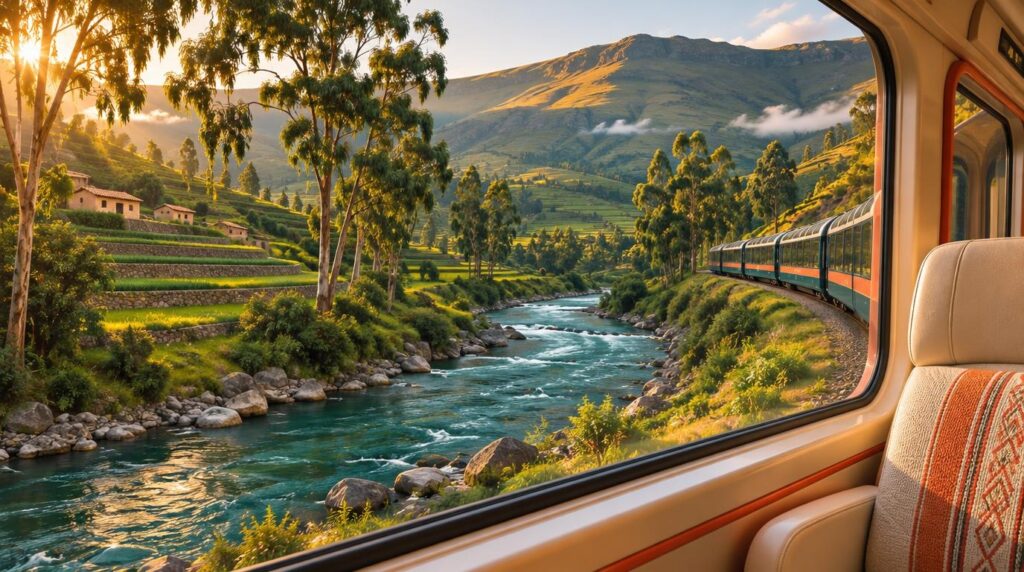
- Train: The only motorised access to Machu Picchu, followed by a short bus ride from Aguas Calientes. The ride takes about 1.5 to 2 hours from Ollantaytambo.
How the Three Options Compare
Days Away From Work
Time away from a laptop is often the deciding factor for a remote worker, so the trip length comes first.
- Inca Trail: Four days and three nights from Cusco, according to Alpaca Expeditions. A shorter two-day version starts at Km 104 and draws from a separate pool of about 250 permits per day.
- Salkantay: Four days and three nights, or five days and four nights, depending on the operator. Operators list the distance as 48 to 58 km.
- Train: One long day or two shorter ones. PeruRail lists 3.5 to 4 hours from Cusco and 1.5 to 2 hours from Ollantaytambo. An Expedia listing for a Vistadome day trip from Cusco runs 16 hours with hotel pickup.
A trek means three to five days without regular work hours. None of the sources we checked list mobile coverage on either trail, so telling clients about the offline days in advance is sensible. For help fitting a trip like this around deadlines, see how to plan a workation. Many travelers also add a stop in the Sacred Valley, and Sacred Valley tours from Cusco covers how to book those.
Cost
- Inca Trail: Alpaca Expeditions lists US$835 per person for a four-day group trip and US$1,695 for a private trip. Inca Trail Machu lists about US$850. The Alpaca price covers the permit, guides, porters, meals, tents, and the Machu Picchu entry ticket. A sleeping bag rental costs US$30 extra and an air mattress US$25.
- Salkantay: Listed prices start at about US$550 for a four-day trip from Tierras Vivas and US$590 from Incredible Peru Tours on Viator. G Adventures lists a five-day trip at US$594, down from a regular US$699. Listings differ on whether the Machu Picchu ticket and the train back are included, so confirm both.
- Train: Fertur lists indicative 2026 fares of about US$190 round trip for the PeruRail Expedition and about US$185 for the Inca Rail Voyager. Travel Arbitrage gives US$110 to US$150 round trip for the Expedition from Ollantaytambo. Both companies use dynamic pricing, so live fares can differ.
A do-it-yourself train day adds a Machu Picchu ticket and a bus ride. In 2026, operators quote S/152 for a standard foreign adult ticket, which is about US$45 at S/3.40 per US$. The Consettur bus costs US$24 round trip for foreign adults, according to CuscoPeru.com. With the lower train fare the total is about US$180, and with the higher fare it is about US$260, before food and the trip to Ollantaytambo.
The 2027 citadel prices were not published in the sources we checked. PeruRail currently lists foreign adult tickets at S/163, or S/211 for mountain routes, so the final price should be confirmed at checkout. The sanctuary fee is S/0 until December 31, 2026 and returns on January 1, 2027 at S/11 for foreign adults, according to Infobae. The Inca Trail follows separate rules, so the sanctuary fee does not apply to it.
Permits and Booking Time
- Inca Trail: Guides, porters, and cooks use some of the 500 daily places, according to TreXperience, so fewer are open to hikers. Only agencies authorised by the Ministry of Culture sell permits, and each one is tied to passport details. A name or passport error can block transfers and refunds. Operators ask for a US$200 deposit per person, and the trail closes each February for maintenance, according to Sam Travel Peru.
- Salkantay: TourRadar and REI both report that no government permit is needed. A Machu Picchu ticket is still required. Local communities charge entry fees for the trail and for Humantay Lake, according to Chullos Travel, so check whether the tour includes them. South America Backpacker also advises checking how a company treats its staff and horses.
- Train: Train tickets are sold by PeruRail and Inca Rail. The Ministry of Culture sells Machu Picchu tickets only on tuboleto.cultura.pe. Since September 2026, buyers pay at purchase instead of reserving, and the ticket is tied to a passport. PeruRail suggests buying at least three months ahead for April to November.
The Ministry of Culture opened Inca Trail sales for 2026 on November 17, 2025. For 2027, operators say permits are open, but we found no official sales schedule. Alpaca Expeditions suggests booking three to five months ahead, and Inca Trail Machu warns that popular months may sell out as early as January 2027.
Machu Picchu allows 5,600 visitors per day on 147 peak days in 2027 and 4,500 on other days, according to Resolution 000408-2026-MC. Salkantay needs less planning time than the other two options. The Machu Picchu ticket may still sell out in peak months, so it helps to buy it as soon as dates are set.
Difficulty and Altitude
- Inca Trail: Operators rate it challenging. Day 2 is the hardest at about 16 km, and it crosses Dead Woman’s Pass at about 4,215 m, according to Alpaca Expeditions. Porters carry tents and food.
- Salkantay: Salkantay Pass reaches 4,630 m, which is more than 400 m higher than Dead Woman’s Pass. Operators rate the trek as moderate to challenging. Humantay Lake sits at about 4,200 m, and the route drops into cloud forest by day 3.
- Train: Getting there takes little effort. Cusco sits at about 3,400 m and Machu Picchu at 2,430 m, according to TreXperience. The visit itself still involves walking, with a 2.5-hour limit on Circuit 2 routes.
TourRadar advises Salkantay hikers to prepare for altitude sickness. The information here is general and not medical advice, so a doctor or travel clinic can help with personal questions. The altitude tips for Cusco cover the first days in the city.
Entering Machu Picchu
- Inca Trail: Hikers arrive through the Sun Gate (Intipunku) on day 4. Ministry rules link Inca Trail tickets to Circuit 3-B and reserve a limited number of daily slots for hikers. Agencies buy these slots.
- Salkantay: Trekkers finish the walk in Aguas Calientes and visit the citadel the next morning, according to TreXperience. The walk up from town takes about an hour, according to Fodor’s, and the bus costs US$12 one way.
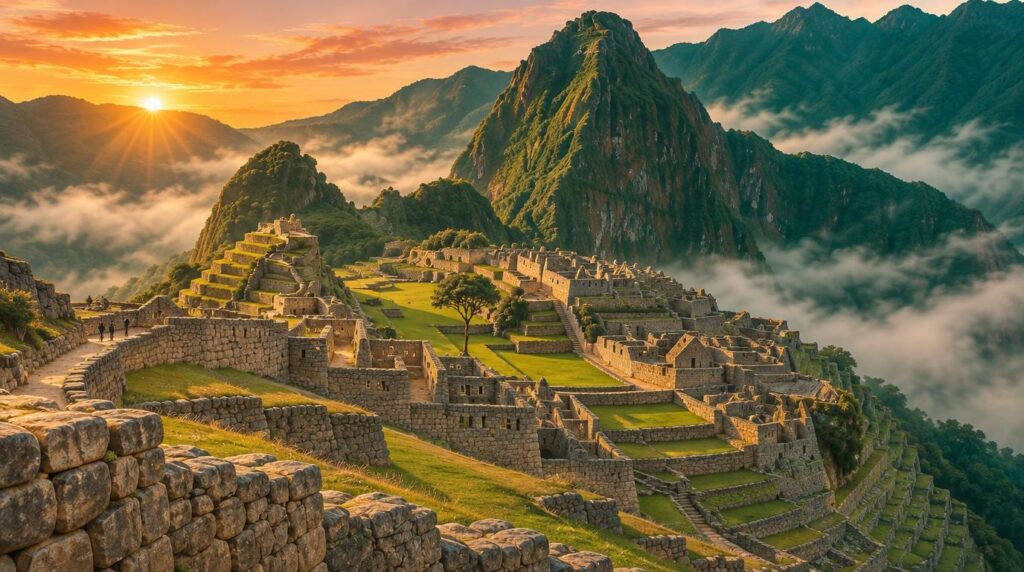
- Train: The train stops at Aguas Calientes, also called Machu Picchu Pueblo, and a bus covers the last stretch. PeruRail lists maximum stays of 5.5 to 6.5 hours for mountain routes, while Circuit 2 and Route 3-B have a 2.5-hour limit.
Resolution 000334-2026-MC recommends that visitors bring a guide, and sources differ on whether one is required. The rule can change, so it helps to confirm it when buying. Late arrivals are refused after 30 minutes in low season and 45 minutes in high season, according to PeruRail.
Luggage and Laptop
- Inca Trail: Alpaca Expeditions includes a porter for one 7 kg duffel bag, and an extra duffel costs US$120. A work laptop may be easier to leave at a Cusco hotel.
- Salkantay: We found no standard weight limit for duffel bags. The operator can say what it carries and what stays in a daypack.
- Train: PeruRail lists one backpack up to 8 kg or one carry-on up to 12 kg, with size limits. Inca Rail allows one item up to 8 kg, according to Fertur.
A laptop, charger, and a change of clothes fit within the train limits. Larger bags can be stored at some stations, and Inca Rail offers storage at its Ollantaytambo ticket office. Baggage rules change, so it helps to check them again before packing.
Which Option Fits Which Traveler
- One or two free days: The train fits best. One day-trip listing from Cusco runs about 16 hours, and a night in Machu Picchu Pueblo adds room to rest.
- Months of lead time and a love of the classic route: The Inca Trail ends at the Sun Gate, though permits may be gone for popular months.
- Flexible dates or shorter notice: Salkantay has no permit cap, so it is the easier trek to fit into a changing schedule.
- A tight budget: The do-it-yourself train day came to about US$180 to US$260 in the sources checked. Salkantay is the cheaper trek, with listed prices from about US$550.
If you want to compare dates for a Cusco tour, you can search remote-friendly tours on FlyBibe. The operators named above are examples from our research, and listings may differ.
Book Your Machu Picchu Trip
The Inca Trail suits the classic four-day hike, Salkantay suits a higher route with fewer limits, and the train suits the shortest trip. Whichever fits, Machu Picchu tickets are sold only on the official ministry site, so buying one soon after dates are set is wise. When your dates are fixed, browse Cusco tours on FlyBibe and compare what is available for your trip.